
Table of Contents
- Introduction
- How Yoga Helps with Cervical Spondylosis
- Yoga Poses for Cervical Spondylosis Relief
- Precautions to Take When Practicing Yoga Poses for Cervical Spondylosis
- Conclusion
Neck soreness, stiffness, and discomfort can be an absolute drag. For many, it is a common condition known as cervical spondylosis. In short, there is wear and tear on the discs and joints in your neck that causes pain and limitations in movement. Yoga can be a great assistive way to help manage cervical spondylosis symptoms. Think of yoga as a pretty gentle but powerful approach to improve flexibility. It offers a way to alleviate nasty stiffness while engaging strength in the neck and shoulder region. In this guide, will share a few Yoga Poses for Cervical Spondylosis.
How Yoga Helps with Cervical Spondylosis
So how does yoga poses benefit your neck? Yoga isn't just simply stretching, but the combination of poses, breathing techniques and mindfulness that benefits the body and mind.
- Increases Flexibility: Stiff necks cause tight muscles that restrict movement. Yoga poses let the muscles gradually and gently extend themselves, particularly for the neck and upper back. More flexibility enhances your range of motion.
- Aces in reducing stiffness: Yoga serves to release the tension in the muscles surrounding the cervical spine by means of their mild movement and stretching action. Also nourishing the tissues circulates more blood flow to the area. It lowers inflammation, which helps one to recognize stiffness.
- Builds the shoulders and neck: Some yoga poses are meant to build muscle strength. Strengthening the muscles around the shoulders and neck provides better support for the cervical spine. This added support helps improve posture and may reduce strain or discomfort in the neck area.
Yoga Poses for Cervical Spondylosis Relief
Here are some gentle but effective yoga asanas for cervical spondylosis that can help alleviate your symptoms. Always move slowly, pay attention to your body and don’t push into pain. If something doesn’t feel right, back off or skip it.
1. Child's Pose (Balasana)
 Steps:
- Start on your hands and knees in a tabletop position.
- Place a block or bolster under your chest or abdomen for extra support.
- Gently lower your hips toward your heels, stretching your arms forward on the mat.
- Rest your forehead on the bolster or on a block, allowing the bolster or block to support your torso.
- Place a blanket under your hips to support the pose.
- Relax into the pose, breathing deeply to release tension in the back and hips.
Benefits: Child’s Pose is a calming and restorative pose that gently opens and stretches the back and neck, relieving tension and stress. It works to relax the whole spine, including the cervical spine.
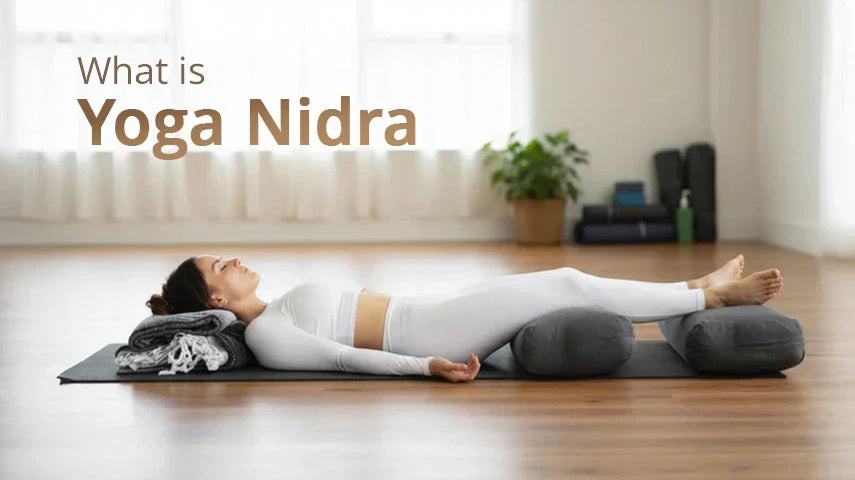
2. Corpse Pose (Savasana)
 Steps:
- Lie flat on your back with your legs extended and arms by your sides.
- Place a bolster under your knees or a blanket under your head for extra comfort.
- Allow your arms to relax, palms facing upward.
- Close your eyes, focus on your breath, and allow your body to fully relax.
Benefits: Helps to relax the whole body and nervous system to relieve some of the built-up tension in the cervical spine. It encourages deep rest, which can help to reduce the stress and pain associated with cervical spondylosis.
3. Bow Pose (Dhanurasana)
 Steps:
- Lie on your stomach and pull your knees toward yourself using a yoga belt, reaching back to hold your ankles.
- Inhale and lift your chest and legs off the ground, forming a bow shape.
- Hold for 20-30 seconds, then release.
Benefits: Helps to strengthen the back, improves flexibility of the spine, and can help relieve stiffness in the neck and shoulders. Improves spinal alignment and can help with posture.
4. Camel Pose (Ushtrasana)
 Steps:
- Place a yoga mat on the floor. Position two Halasana benches on the mat, facing the long edge of the mat.
- Place a sticky mat on the halasana bench & on top of it place 2 bolsters inline. Begin by kneeling on the mat with your knees hip-width apart and your toes pointing back.
- Make sure your knees are directly below your hips. Reach back and hold onto the backrest of the bench with your hands.
- Keep your elbows slightly bent and close to your body. Press your shoulders down and away from your ears.
- Open your chest by drawing your shoulder blades toward each other.
- Place your knees on the folded blanket for added cushioning and support.
- Inhale and lift your chest upward and slightly forward, arching your back gently.
- Drop your neck on the bolster for support, avoiding excessive backward bending of the neck.
- Maintain a lengthened spine throughout the pose.
- To release, exhale and gently lower your chest back down, releasing your hands from the chair.
- After releasing the pose, sit back on your heels in Balasana (Child Pose) or a comfortable seated position in Swastikasana (Auspicious Pose) to relax and rest.
Benefits: It’s a powerful backbend that promotes spinal flexibility and can help you release tension in your neck and shoulders. It improves posture by strengthening the spine and opening the chest.
5. Cobra Pose (Bhujangasana)
 Steps:
- Lie on your stomach with legs extended and palms placed under your shoulders.
- Press into your hands on the yoga blocks and lift your chest off the ground, keeping elbows slightly bent.
- Keep a folded yoga blanket under your pelvic region for additional support.
- Hold for 20-30 seconds while breathing deeply.
- Lower back down and repeat twice.
Benefits: Bhujangasana strengthens the spine, opens the chest, and can relieve tightness in the neck and shoulders. It increases blood flow to the spine, which can help alleviate pain.
Precautions to Take When Practicing Yoga Poses for Cervical Spondylosis
While yoga is generally safe and beneficial, it's super important to be mindful, especially when dealing with a condition like cervical spondylosis. Here are some key precautions:
- Check with Your Doctor First: Get your doctor or a physical therapist's clearance before beginning any new exercise program, especially if you have an existing cervical spondylosis condition. They can tell you what movements to avoid.
- Listen To Your Body: This is the yogi's rule, especially for people who have pain. Never push into pain. If you feel pain with a pose, you should stop right away. There is a big difference between a stretch and a pain.
- Take It Slow and Easy: Don't try to be a yoga superstar on day one. Start with simple, slow movements and hold poses for shorter periods of time. Understand how difficult the poses are and the amount of time you hold them at your body's pace.
- Avoid "extreme" neck movements: Avoid poses with fast movements, jerking of the head, and neck extension, or rotation, especially if you experience dizziness or increased pain.
- Use props when needed: Blocks, blankets, and belts can be your best friends! Props can help you achieve proper alignment, support your body, and make poses more accessible and safer. For example, in Savasana, you can fold a blanket under your head to support your neck!
- Concentrate on Alignment: Good alignment is important to keep the back healthy. If you feel uncertain with alignment, you may want to find a gentle yoga class or a teacher with experience with therapeutic yoga.
- Breathe: Notice your breath. Deep, steady, gentle breathing brings calm to the nervous system and helps release muscular tension. Never hold your breath in a pose.
- Warm-Up and Cool-Down: Always incorporate a gentle warm-up before starting your main practice and a cool-down at the end.
Conclusion
Living with cervical spondylosis might be challenging, it does not mean you have to be trapped in ongoing pain and stiffness. By means of consistent practice of these postures, you can experience the benefits of more flexibility, less stiffness, and stronger shoulder and neck muscles. Roll out your mat, inhale deeply, and start your road toward a more mobile and comfortable you! Practicing yoga asanas for cervical spondylosis is one of the useful approaches to help you reduce your symptoms.