
Table of Contents
- Introduction
- Understanding Yoga as a Beginner
- How Often Should You Practice Yoga as a Beginner?
- How Long Should a Beginner Yoga Session Be?
- Choosing the Right Style of Yoga for Beginners
- Weekly Beginner Yoga Routine
- Common Mistakes Beginners Should Avoid
- Conclusion
When you decide to try yoga, you feel a mix of excitement and fear. You know about the amazing physical and mental benefits, like more flexibility, less stress, and maybe even better sleep, and you are ready to get started. But then the questions come up: How often should I practice? How long should a session last? And how do I know when I am ready for more?
These are the most common and important questions for anyone who is just starting out. To have a successful and long-lasting yoga practice, you need to start out smart, not hard. The “Yoga as a beginner guide” will help you understand the fundamentals of a sustainable beginner's routine, focusing on consistency, duration, and mindful recovery.
Understanding Yoga as a Beginner
Before you start a yoga schedule, it might help to change how you think about it. Starting yoga as a beginner, as yoga isn't about touching your toes, balancing on your head, or twisting your body.
It's a practice, not a performance. The goal is to connect your breath with your movements. This link is more important than how far you go into a pose.
It's not about how hard you work, but how consistent you are. Even if you only show up for a little while, it's a big win. A short, regular practice is much better than long, hard sessions that happen only sometimes.
This is the most important lesson: pay attention to your body. It's normal to feel uncomfortable, but sharp pain is a sign that something is wrong. Your body is the best teacher you have. Listen to what it tells you.
How Often Should You Practice Yoga as a Beginner?
This is where many people get stuck. The ideal frequency for a beginner is one that is achievable, enjoyable, and sustainable.
1. Twice a Week: For someone who is just starting out, going twice a week is usually right. It helps you build muscle memory, learn the poses, and notice a big difference in your body and mind without getting too stressed. You also have a lot of time to recover.
2. Three Times a Week: This frequency is fantastic for building momentum. It helps solidify the habit and allows you to deepen your understanding of the postures faster.
3. The Daily Habit (Mini-Practice): If you have the enthusiasm for daily practice, consider this approach:
- 3 times a week: A full, dedicated session (e.g., 30–60 minutes).
- 4 times a week: A "mini-practice" (e.g., 5–15 minutes) focused on light stretching, simple breathing, or meditation.
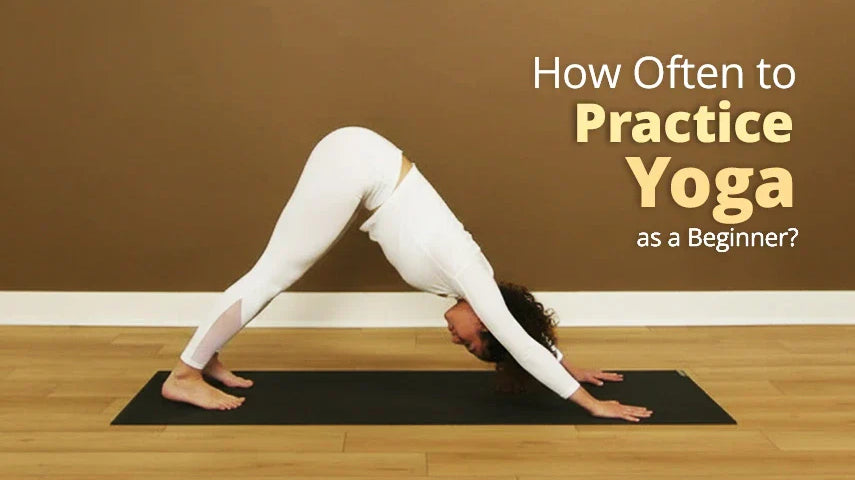
Remember: As a beginner, practice does not have to mean a full hour on the mat. Even 10 minutes of Sun Salutations (Surya Namaskara) or gentle stretching before bed counts!
How Long Should a Beginner Yoga Session Be?
|
Practice Duration |
Beginner Focus |
Recommended Schedule |
Beginner Asanas |
|
10 - 20 Minutes |
Consistency, Habit Building, and Quick Relief. Great for busy days or recovery. |
Practice 2–3 times a week to build a foundation. |
Cat-Cow Pose (Marjaryasana-Bitilasana), Downward-Facing Dog Pose (Adho Mukha Svanasana), Child's Pose (Balasana), and a final 2-minute Savasana. |
|
30 - 45 Minutes |
Exploring Sequences, Building Endurance, and Deeper Stretching. |
Every day is ideal. Can be done before bed for relaxation or on days off. |
Sun Salutations (Surya Namaskara) 3-5 rounds, Warrior I & II (Virabhadrasana I & II), Triangle Pose (Trikonasana), Tree Pose (Vrksasana), and gentle Supine Twists. |
|
60 Minutes |
The "Sweet Spot" for a complete, balanced practice. Includes full warm-up, standing series, floor poses, and cool-down. |
After you have maintained a 30–45-minute daily practice for 1–2 months. |
Full Sun Salutations (Surya Namaskara), all 30-45 min poses, Seated Forward Fold (Paschimottanasana), Bridge Pose (Setu Bandhasana), and a 5–10-minute Corpse Pose (Savasana). |
Choosing the Right Style of Yoga for Beginners
There are many different types of yoga, but some are better for beginners than others.
- Hatha Yoga: Many people think of Hatha Yoga as the most traditional and gentle style. Hatha yoga has a lot of basic poses and is all about holding them for a few breaths. It's a great way to learn how to align your body and build strength over time.
- Vinyasa (Flow) Yoga: This style is more active and involves moving with your breath. Vinyasa yoga raises your heart rate and is good for your health, but it can be quick. Look for classes with names like "Slow Flow" or "Vinyasa Basics."
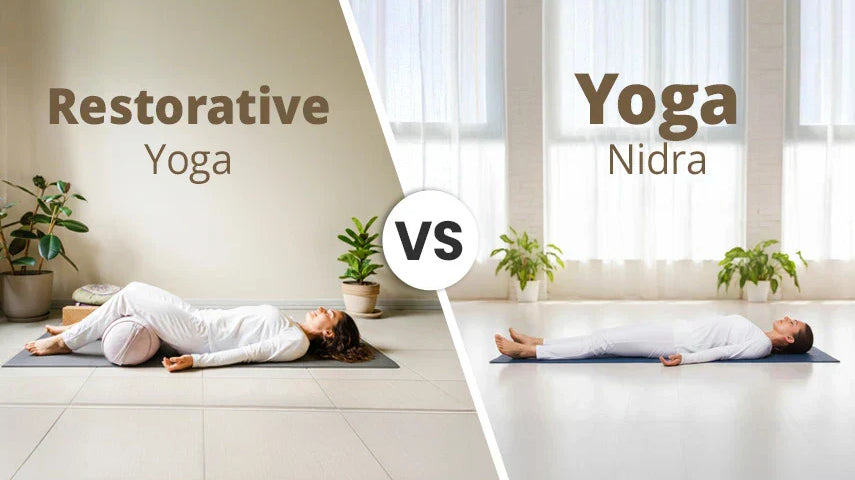
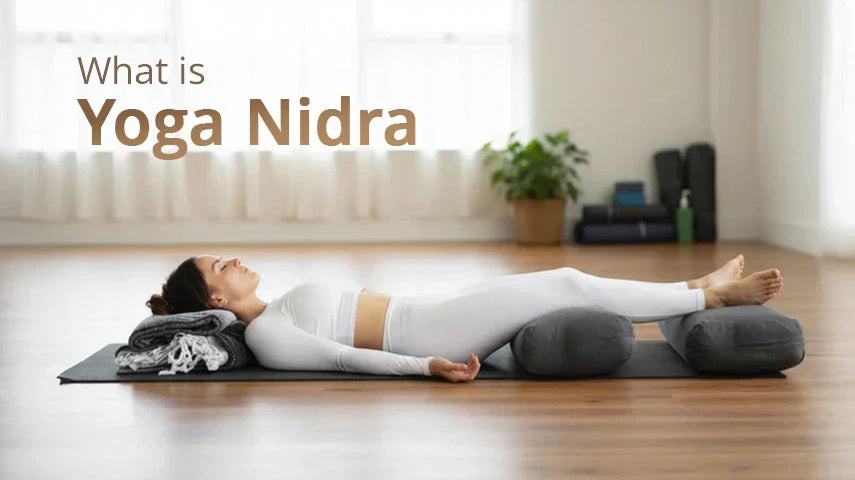
- Restorative Yoga: Restorative yoga is a relaxing style of Yoga. In this style, bolsters, blankets, and blocks are used to fully support the body while it is in passive poses for 5 to 10 minutes at a time. It helps with stress, healing from injuries, and getting really relaxed.
Try a few different styles. Don't be afraid to take classes with different teachers or in different ways. The "right" style is the one that makes you want to come back.
Weekly Beginner Yoga Routine
Here is a sample weekly plan that follows the rules of consistency and recovery:
|
Day |
Focus/Style |
Duration |
Rationale |
|
Monday |
Hatha/Slow Flow |
30-45 min |
A strong start to the week, focusing on foundational poses. |
|
Tuesday |
Recovery/Off |
- |
Allow muscles to rest and recover. |
|
Wednesday |
Vinyasa Basics |
30 min |
Build heat and endurance with a slightly more active flow. |
|
Thursday |
Recovery/Off |
- |
Important rest day. Consider a light walk. |
|
Friday |
Restorative or Yin |
20-30 min |
Focus on deep stretching and relaxation to melt away the week's tension. |
|
Saturday |
Off / Mindful Activity |
- |
Enjoy a different activity (hiking, swimming). |
|
Sunday |
Mini-Practice |
10-15 min |
Gentle Sun Salutations or breathing exercises to prepare for the new week. |
Common Mistakes Beginners Should Avoid
There are some problems that can come up when you start a new practice. Knowing these things will help you stay safe and motivated:
- Not Paying Attention to the Breath: Beginners often hold their breath when they are in hard poses. The aim is to put your breath above everything else. If you can't breathe easily, slowly come out of the pose until you can.
- Skipping Savasana (Final Rest): This pose, which you do at the end of class for 5 to 10 minutes, is when your body takes in the benefits of the practice. Don't skip it.
- Comparing Yourself to Others: It can be discouraging to see advanced practitioners, whether in a class or an online video. Just focus on your own mat. Yoga is a very personal path. Use props like blocks and straps to help your body find the shape it needs right now.
- Pushing into Pain: Don't ever force a stretch. Yoga should feel like a deep, satisfying opening, not like a painful tear. If you feel sharp or stinging pain, back off a little. You are in charge.
Conclusion
Beginning your yoga journey is a great way to feel good about yourself. You will sometimes feel unsure, but the truth is that you have already done the hardest part that is showing up. Make it a habit to do 2–3 sessions a week, keep your sessions short (30–45 minutes is enough!), and always, always listen to what your body is telling you. Be kind to yourself, celebrate the little wins, and enjoy the journey. You will be amazed at how strong, flexible, and peaceful you have become in a year.