
Table of Contents
- Introduction
- What Does SAD Mean?
- Symptoms of Seasonal Affective Disorder
- How Yoga Helps to Fight with Seasonal Affective Disorder
- Best Yoga Poses for Seasonal Affective Disorder (SAD)
- Breathing Exercises for Seasonal Affective Disorder
- Lifestyle Tips to Support Your Yoga Practice
- Conclusion
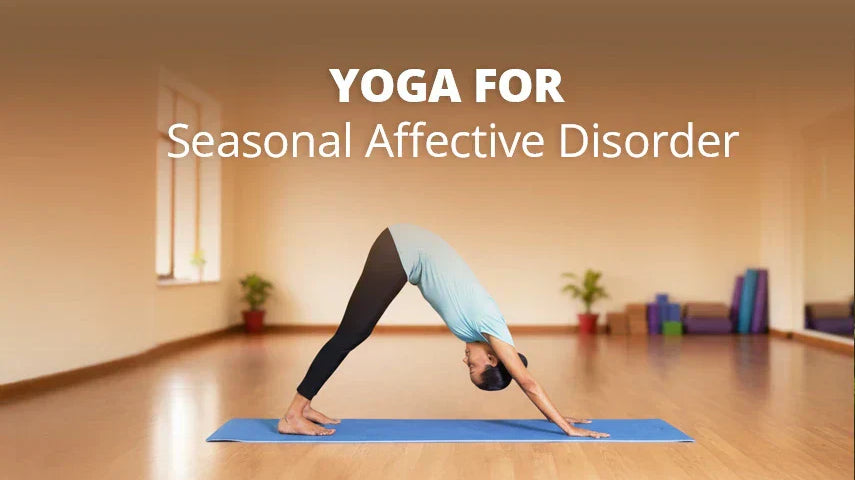
As the days get shorter and the sun shines a little less, many people feel tired and sad. For some people, this feeling may be worse than the "winter blues" and lead to a diagnosis known as Seasonal Affective Disorder (SAD). Practicing yoga for Seasonal Affective Disorder can be very effective and helpful.
What Does SAD Mean?
Seasonal Affective Disorder (SAD) is a kind of depression that happens at certain times of the year, usually in the fall or winter, and goes away when the weather is nice in the spring or summer. Researchers think that the body's internal clock (circadian rhythm) is thrown off by less sunlight in the winter. This affects levels of important brain chemicals like serotonin (which affects mood) and melatonin (which affects sleep).
Symptoms of Seasonal Affective Disorder
You might notice these symptoms if you have SAD:
- Sadness/Depressive Mood: Most of the day, you feel sad, irritable, and down.
- Feeling Tired: Feeling sluggish and having trouble with everyday tasks.
- Sleeping Too Much (Hypersomnia): Sleeping a lot more than usual.
- Changes in Appetite: Wanting more carbs and feeling hungrier, which usually leads to weight gain.
- Loss of Interest: Not wanting to be around other people and not being interested in things you used to do.
- Hard to Focus: You feel like you have "brain fog" and can't focus.
There are good treatments like light therapy and medication, but a lot of people want to add natural, holistic methods to their care. This is where yoga comes in. Regular practice of yoga for Seasonal Affective Disorder offers a gentle but powerful way to help you get through the darker months.
How Yoga Helps to Fight with Seasonal Affective Disorder
Practicing Yoga for Seasonal Affective Disorder is much more than just stretching. It deals with several SAD-related problems by combining movement, breathing, and being aware of your thoughts.
1. Controlling the Nervous System
People with SAD often feel tired and a little anxious. Yoga is based on slow, deep breathing, or pranayama, which helps the body get into the "rest and digest" state of the parasympathetic nervous system. This lowers the stress hormone cortisol, which helps lower anxiety and make you feel calmer.
2. Letting go of Serotonin and Endorphins
It's important to move your body when you feel sluggish. Dynamic yoga poses, such as Sun Salutations (Surya Namaskara), get the blood flowing and help the body release its own feel-good chemicals, like endorphins and serotonin. This physical activity fights off the tiredness and lethargy that can come with SAD.
3. Fighting the Physical Posture
We tend to hunch our shoulders forward, round our backs, and close off our chests. This often makes people feel even worse. When you do yoga poses with the goal of opening your heart, like Bridge pose (Setu Bandhasana) and Camel Pose (Ustrasana), you can physically change this pattern and feel emotionally open and free, which is often very uplifting.
4. Improving Focus and Mindfulness
When we are sad, we tend to focus on the bad things and have a constant stream of intrusive thoughts. We learn in yoga to focus on our breath or how our body feels in a pose to keep our minds from worrying and bring us into the present. This helps you become mentally stronger so you can get rid of the negative thoughts that come with seasonal depression.
Best Yoga Poses for Seasonal Affective Disorder (SAD)
When choosing poses for SAD, people often focus on two things: movements that give you energy to fight off tiredness and inversions and backbends that restore your mood and calm your body.
|
Yoga Pose (Sanskrit Name) |
Primary Benefit |
How It Helps with SAD |
|
Sun Salutations (Surya Namaskara) |
Warming & Energizing |
A flowing sequence that honours the light, boosts circulation, and combats morning sluggishness. |
|
Heart-Opener & Uplifting |
A gentle backbend that opens the chest, countering hunched posture, and can help reduce anxiety. |
|
|
Mild Inversion & Stretch |
Brings fresh blood flow to the brain, relieving mental fogginess and stretching the entire body. |
|
|
Balancing & Grounding |
Requires single-point concentration, drawing the mind out of negative thought loops and building focus. |
|
|
Restorative & Calming |
A gentle inversion that soothes the nervous system, reduces stress, and promotes relaxation for better sleep. |
Breathing Exercises for Seasonal Affective Disorder
Breathwork is the quickest way to change your nervous system and your state of mind.
1. Nadi Sodhana or Alternate Nostril Breathing
This is a great way to get your energy back in balance. It opens the nasal passages and is thought to balance the left (calming) and right (energising) sides of the brain. When the brain is balanced, it feels calm and balanced.
How to do it: Get comfortable. Put your right thumb over your right nostril and slowly breathe in through your left nostril. Now, use your ring finger to close your left nostril, let go of your thumb, and breathe out through your right nostril. Breathe in through your right nostril, close it with your thumb, let go of your ring finger, and breathe out through your left nostril. That's one round.
The goal is to practice 5 to 10 rounds to find balance and calm your mind.
2. Dirgha Pranayama or Three-Part Breath
This way of breathing is deep, slow, and calming. It opens the lungs and helps to relax the chest and stomach.
How to do it: Lie down or sit up and take a deep breath, making sure to fill your belly first, then your ribs, and finally your chest. The same order of exhaling happens slowly and completely: chest, ribs, and belly.
This method helps you feel more grounded and lets you breathe freely, which is usually the opposite of how you feel when you are in a low mood.
Lifestyle Tips to Support Your Yoga Practice
When dealing with SAD, yoga works best when it's part of a healthy lifestyle.
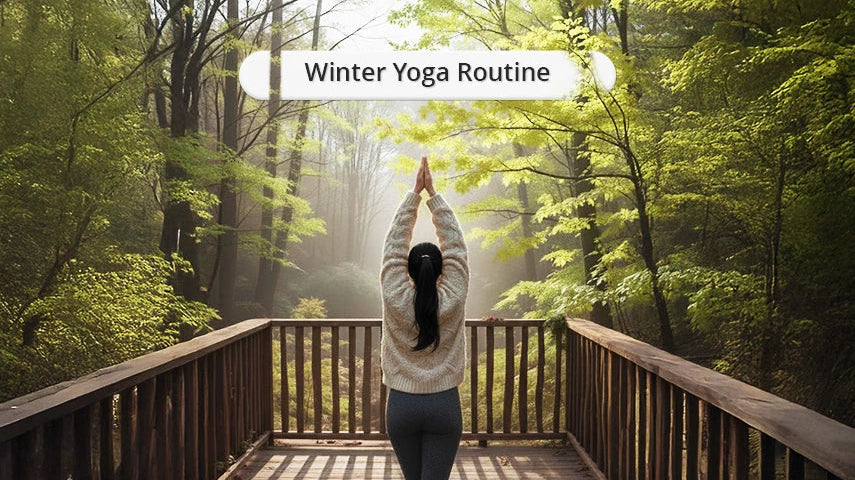
- Yoga in Natural Light: Whenever you can, put your mat near a window and do your yoga in natural light.
- Morning Practice: Do your most active poses (like Sun Salutations) in the morning. This will help your body's circadian rhythm get ready for how you will use your body during the day, which is important for fighting SAD.
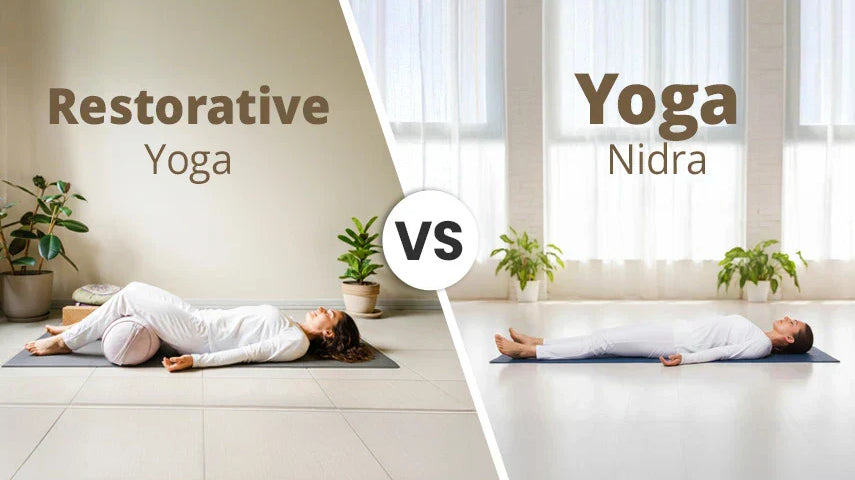
- Listen to Your Body: Some days, life can be too tiring. On those days, skip the hard flow practice and do restorative poses like Child's Pose (Balasana) or Legs-Up-the-Wall Pose (Viparita Karani) instead. The most important thing is to learn to be kind to yourself.
- Stay Connected: SAD can make you want to stay alone. Use the social part of yoga, either online or in person, to stay connected, or just call a friend after class at home.
Conclusion
Yoga for Seasonal Affective Disorder is a kind and direct way to build strength during the darker months. You can help keep your body's and mind's chemicals and emotions in balance by moving your body, breathing deeply, and being aware of what you are going through. You are creating your own inner heat and light right now, which helps you feel more fully embodied in your experience of lightness, readiness to embrace the season, and a little more ease and peace. You don't have to be a perfect yogi. You can start to change your mind and body by rolling out your mat and taking three deep breaths.