
Table of Contents
- Introduction
- How Yoga Supports Lung Health
- Best Yoga Poses for Lungs
- Breathing Exercises (Pranayama) for Lungs
- Tips for Practicing Yoga for Lungs
- Conclusion
One of the organs in your body that is most likely to be neglected is your lungs. To get oxygen into your body, they work nonstop, around the clock. Your lungs might not be functioning at their best due to air pollution, increased stress, and sedentary lifestyles. It is more crucial than ever to maintain the health of your lungs, which give you more vitality and energy. Thankfully, yoga is a centuries-old practice that can assist you in proactively and holistically achieving health. Through practising yoga for lungs, you can progressively strengthen and expand your lung capacity and eventually breathe yourself into health by using specific postures (called asanas) and breathing techniques (called pranayama).
How Yoga Supports Lung Health
Practising Yoga for lungs benefits the respiratory system, by working on both a physical and physiological level to improve how you breathe.
- Develops Respiratory Muscles: Just like any other muscle group, the muscles involved in breathing can be worked out. Combining pranayama breathing with yoga poses helps to strengthen those muscles, making every breath effective and meaningful.
- Increases Lung Capacity: Most people only use a small portion of their lung capacity because they spend a significant amount of time breathing shallowly into their chest. Yoga encourages the diaphragm to breathe deeply and fills the lungs to capacity.
- Enhances Posture: When standing or sitting, slouching restricts the diaphragm's range of motion and compresses the chest. You can sit and stand taller by balancing and correcting posture imbalances through yoga poses.
- Improves Oxygen Circulation: Yoga's dynamic style encourages better blood flow. This indicates that your lungs surface area and size have grown.
Best Yoga Poses for Lungs
Yoga poses for the lungs are designed to open the chest, stretch the rib cage, and create more space for the lungs to function optimally.
1. Urdhva Mukha Svanasana (Upward-Facing Dog Pose)
Urdhva Mukha Svanasana opens the chest and stimulates the diaphragm, the primary muscle of respiration.
 Steps:
- Place a yoga mat on the floor. Fold a blanket and place it on the mat where your pelvis and thighs will rest.
- Position two yoga bricks at the front of your mat.
- Begin by lying on your stomach (prone position) on the mat.
- Extend your legs straight behind you, with the tops of your feet pressing into the mat.
- Lift your pubic bone toward your navel to support your lower back. Place your pelvis and thighs on the folded blanket for added support and cushioning.
- Place your palms flat on the yoga bricks, fingers spread wide and pointing forward.
- Ensure that your hands are aligned with your lower ribs.
- Keep your elbows close to your body by pointing backward, not outward.
- Press your hands firmly into the yoga bricks and engage your shoulder blades by drawing them down and back.
- Lift your chest slightly forward to open your heart.
- Press the tops of your feet firmly into the mat and engage your leg muscles.
- Lift your kneecaps off the mat and keep your thighs active and lifted.
- Roll your thighs inward slightly and engage your lower abdominal muscles.
- Inhale and begin to straighten your arms, lifting your chest and upper body off the mat.
- Keep your shoulders away from your ears and broaden your collarbones.
- Engage your core muscles to support your spine and stabilize your torso.
- Avoid sinking into your lower back.
- Maintain steady and controlled breathing throughout the pose.
- Hold the pose for several breaths, maintaining the alignment and engagement of muscles.
- To release, exhale and gently lower your chest back to the mat and relax.
2. Bhujangasana (Cobra Pose)
Cobra Pose provides a gentle stretch for the chest and abdominal muscles while strengthening the spine. It is known to open the airways and improve blood circulation.
 Steps:
- Lie on your stomach with legs extended and palms placed under your shoulders.
- Press into your hands on the yoga blocks and lift your chest off the ground, keeping elbows slightly bent.
- Keep a folded yoga blanket under your pelvic region for additional support.
- Hold for 20-30 seconds while breathing deeply.
- Lower back down and repeat twice.
3. Ushtrasana (Camel Pose)
This is a deep backbend that creates a powerful stretch across the entire chest, abdomen, and throat. It dramatically increases breathing capacity by opening the rib cage.
 Steps:
- Place a yoga mat on the floor. Position two Halasana benches on the mat, facing the long edge of the mat.
- Place a sticky mat on the Halasana bench & on top of it place two bolsters inline. Begin by kneeling on the mat with your knees hip-width apart and your toes pointing back.
- Make sure your knees are directly below your hips. Reach back and hold onto the backrest of the bench with your hands.
- Keep your elbows slightly bent and close to your body. Press your shoulders down and away from your ears.
- Open your chest by drawing your shoulder blades toward each other.
- Place your knees on the folded blanket for added cushioning and support.
- Inhale and lift your chest upward and slightly forward, arching your back gently.
- Drop your neck on the bolster for support, avoiding excessive backward bending of the neck.
- Maintain a lengthened spine throughout the pose.
- To release, exhale and gently lower your chest back down, releasing your hands from the chair.
- After releasing the pose, sit back on your heels in Balasana (Child Pose) or a comfortable seated position Swastikasana (Auspicious Pose) to relax and rest.
4. Dhanurasana (Bow Pose)
Bow Pose opens the chest and shoulders while strengthening the back and abdominal muscles. The pressure on the abdomen in this pose massages the diaphragm, enhancing its function.

Steps:
- Lie on your stomach and pull your knees toward yourself using a yoga belt, reaching back to hold your ankles.
- Inhale and lift your chest and legs off the ground, forming a bow shape.
- Hold for 20-30 seconds, then release.
Breathing Exercises (Pranayama) for Lungs
Pranayama is the yogic practice of focusing on the breath. These exercises are a direct workout for your lungs and are essential for building respiratory strength.
1. Kapalabhati (Skull Shining Breath)
Kapalabhati is a powerful cleansing technique. It involves forceful exhalations that help clear mucus, allergens, and other toxins from the airways while strengthening the diaphragm.
Steps:
- Sit in a comfortable, upright position.
- Take a deep breath in and then begin. The technique consists of short, powerful exhales and passive, automatic inhales.
- To exhale, forcefully pull your lower belly in towards your spine, pushing the air out of your lungs.
- Relax your abdomen, and the inhale will happen naturally without any effort.
- Start with a round of 30 exhalations then rest. Work your way up to three rounds.
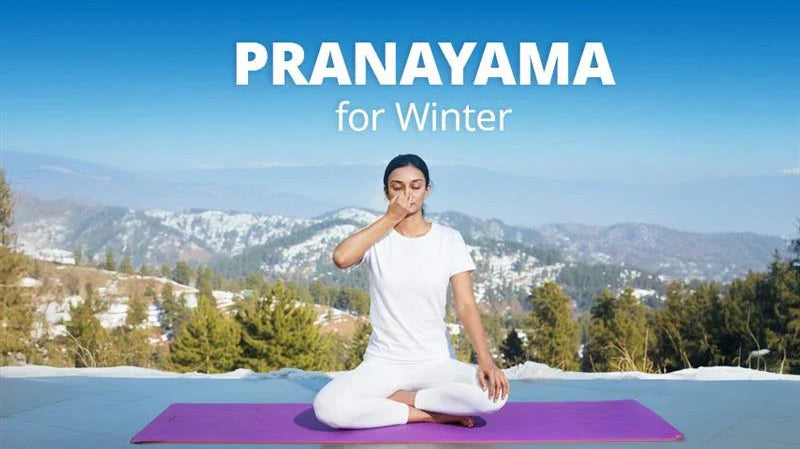
2. Nadi Sodhana (Alternate Nostril Breathing)
This calming pranayama is excellent for balancing the nervous system and improving overall respiratory function. It helps purify the energy channels and encourages a state of peaceful awareness.
Steps:
- Sit comfortably with a straight spine.
- Place your left hand on your left knee, palm up.
- Bring your right hand to your face: rest your index and middle fingers between your eyebrows. Your thumb will close the right nostril, and your ring finger will close the left.
- Close your right nostril with your thumb and inhale slowly through your left nostril.
- Close your left nostril with your ring finger, release your thumb from the right nostril, and exhale slowly through the right nostril.
- Inhale through the right nostril.
- Close your right nostril with your thumb, release your ring finger from the left nostril, and exhale slowly through the left nostril.
- This completes one round. Continue for 5-10 minutes, maintaining a smooth, even breath.
Tips for Practicing Yoga for Lungs
- Consistency over intensity: Weekly intense sessions lasting an hour will be far less effective than frequent 15-minute sessions.
- Pay attention to your body: Never push yourself past your pain threshold; if you experience light-headedness which are especially common during pranayama, take a break.
- Intentional Breathing: This is the key to coordinating your movements and breathing. Pay attention to the expansion and contraction of your lungs.
- Practice in fresh air: If possible, practice in an open area or a room with good ventilation to benefit from the fresh air.
- Seek Guidance: Before starting, speak with your doctor if you have a pre-existing condition such as asthma. You may also want to learn from a certified yoga instructor who can offer customized modifications.
Conclusion
Practising yoga for lungs helps by opening your chest and creating more space within your body. The physical poses allow your lungs to breathe more freely. Your respiratory muscles will become stronger and more effective because of the breathing exercises, or pranayama. You don't have to spend a lot of time on the mat or be an expert in flexibility. The simple act of focusing on your breathing is the true magic. You can actively improve your lung health, calm your mind, and increase your energy levels by beginning with just five minutes of deep belly breathing each day.