
Table of Contents
- Introduction
- How Yoga Helps with Menstrual Cramps
- Best Yoga Poses for Menstrual Cramps
- Additional Tips for Managing Menstrual Cramps
- Conclusion
Menstrual cramps can be unbearable and can interfere with daily life since the pain makes a person uncomfortable, incapacitated, and unable to focus. The pain can range from mild cramps to extremely painful ones. However, everyday premenstrual activities can become incredibly arduous. Some doctors prescribe medications to tackle with the pain, but yoga works as a natural way to get rid of it.
Some yoga poses for menstrual cramps eases period pain through better circulation, stress relief, and the release of tension from muscles, thus providing an all-natural and holistic approach. Moreover, yoga helps put hormones back into order, improves general well-being ensuring a good night’s sleep. Here we will explore some of the yoga poses for menstrual cramps that can contribute to a smoother cycle.
How Yoga Helps with Menstrual Cramps
Yoga involves gentle stretching and controlled breathing, which relaxes the body and provide pain relief. Some poses allow an increase in blood flow to the pelvic area, easing up on the muscle contractions that are responsible for cramping. Furthermore, stress hormones that aggravate menstrual pain are lowered through yoga to create a calming effect on the body and mind. When practiced regularly, yoga can also help regulate the menstrual cycle so that over time cramping is less intense. Yoga supports mindfulness, which allows an increased level of awareness about the body and menstrual health.
Best Yoga Poses for Menstrual Cramps
1. Balasana (Child’s Pose)

Steps:
- Start on your hands and knees in a tabletop position.
- Place a block or bolster under your chest or abdomen for extra support.
- Gently lower your hips toward your heels, stretching your arms forward on the mat. Keep the knees by the bolster’s side with a Yoga Blanket under the hips.
- Rest your forehead on the bolster or block, allowing the bolster to support your torso.
- Place a blanket under your hips to support the pose.
- Relax into the pose, breathing deeply to release tension in the back and hips.
Benefits: Balasana (Child’s Pose) offers deep relaxation, relieving tension in the back, neck, and shoulders and abdomen while also stretching the hips and ankles. It calms the mind, reduces stress, and supports digestion. Together, these poses give relief to abdominal cramps and boosts flexibility, relaxation, and mental clarity.
2. Supta Matsyendrasana (Reclined Twist Pose)
 Steps:
- Lie on your back with your knees bent and feet flat on the floor.
- Place a bolster perpendicular to your body, aligning the center with your hips.
- Extend your arms out to the sides, palms facing down.
- Gently twist your torso to the right, letting your right knee fall over your left leg.
- Rest your left hand and right hand on the floor.
- Hold for several breaths, then repeat on the other side.
Benefits: Supta Matsyendrasana massages internal organs, aiding digestion. It reduces abdominal discomfort during menstrual cramps and promotes relaxation and stress relief.
3. Baddha Konasana (Butterfly Pose)
 Steps:
- Sit with your legs straight out in front of you.
- Bend your knees and bring your soles together, allowing your knees to drop open to the sides.
- Place your knees on the rolled yoga blanket for support.
- Keep your hands behind. Hold the pose for 30 seconds to 1 minute.
Benefits: It helps alleviate menstrual discomfort, supports digestive health, and reduces stress by calming the mind and body.
4. Supta Baddha Konasana (Reclining Bound Angle Pose)
 Steps:
- Start by lying on your back with your knees bent and feet together, allowing your knees to fall outward.
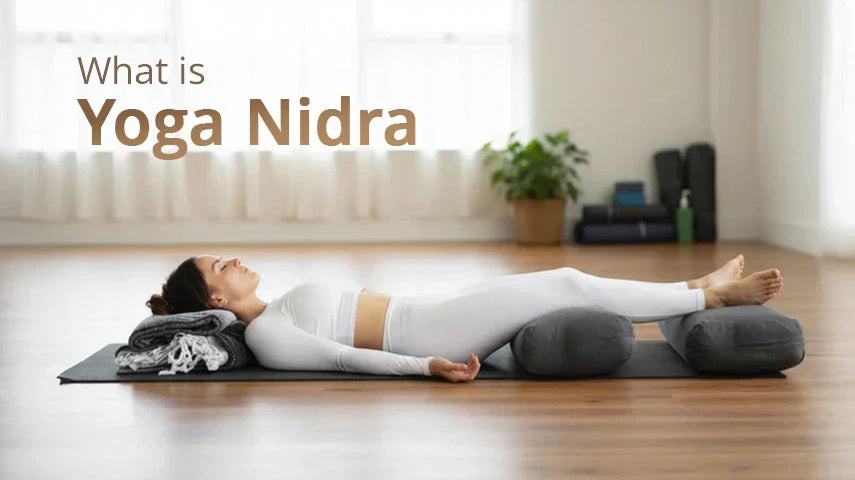
- Place a bolster under your spine for support and roll a blanket and place it under your head for added comfort.
- You can wrap the yoga belt around the legs to keep the feet together.
- Relax your arms by your sides, palms facing upward.
- Close your eyes, focus on your breath, and gently allow your hips to open, deepening the stretch without straining.
Benefits: Encourages deep relaxation, improves blood flow, and reduces tension in the abdomen. This pose is particularly beneficial for those experiencing severe cramps, as it provides gentle support to the lower body.
5. Uttanasana (Standing Forward Bend Pose)
 Steps:
- Stand with feet hip-width apart, toes facing inwards.
- Inhale and lengthen your spine.
- Exhale, hinge at your hips, and fold forward, bringing your head toward your knees, placing it on the yoga chair for added support.
- Keep a slight bend in your knees if needed to avoid strain.
- Place your hands on the floor, shins, or ankles (depending on flexibility).
- Hold for a few breaths, then slowly rise back up, rolling your spine up.
Benefits: Encourages blood flow to the digestive organs. Stimulates the abdominal region, easing the menstrual pain.
6. Viparita Karani (Legs-Up-the-Wall Pose)

Steps:
- Sit next to a wall and lie on your back, swinging your legs up against the wall.
- Bring your hips close to the wall, placing the bolster below the back, keeping legs straight and feet pointing up.
- Rest your arms by your sides or stretch them over the head, palms facing up.
- Close your eyes, relax, and breathe deeply.
- Stay in the pose for 5-15 minutes.
Benefits: This pose helps reduce swelling, improve circulation, and promote relaxation. It is especially beneficial for those who experience heavy menstrual flow and fatigue.
Additional Tips for Managing Menstrual Cramps
- Stay hydrated: To avoid the feeling of being bloated and muscle cramping, it is necessary to drink adequate amount of water. Herbal teas, such as chamomile and ginger tea relaxes and gives a soothing feeling.
- Apply heat: You may apply a heating pad or a warm compress over your lower abdomen to relieve the pain. Warm baths with Epsom salts will help further relax the muscles and ease the discomfort.
- Balanced diet: Eat less processed food and more of leafy greens that are good sources of magnesium. Try including other anti-inflammatory foods like turmeric, ginger, flaxseeds, or fish-rich in omega-3 in your food to reap maximum benefits.
- Mindfulness and relaxation: Stress worsens cramps; therefore; learning meditation and deep breathing exercises can lower stress levels. Regularly write down your thoughts which brings clarity. Stay active by adding walking, yoga or any other physical activity in your routine which promotes physical and mental well-being.
- Adequate rest: When you have disrupted sleep, it causes an increase in menstrual pain. Ensure that you enjoy around seven to nine hours of restful sleep and have a bedtime routine which encourages relaxation.
Conclusion
Menstrual cramps can be painful, but yoga helps bring relief naturally. By improving blood circulation and reducing muscle tension by practicing yoga poses for menstrual cramps make that time of the month easier to cope with in a gentle and holistic way. There are additional long-term benefits of yoga, which include improvement in flexibility, hormonal balance, and better emotional health. Furthermore, this should be coupled with special maintenance practices of good hydration, a well-balanced diet, and mindfulness techniques to ease menstruation into a more comfortable, balanced state. Whether you are new to yoga or already have a previously developed practice, these sets of gentle poses and reasonable steps can help bring you relief during your monthly cycle.