
6mm Yoga Mats


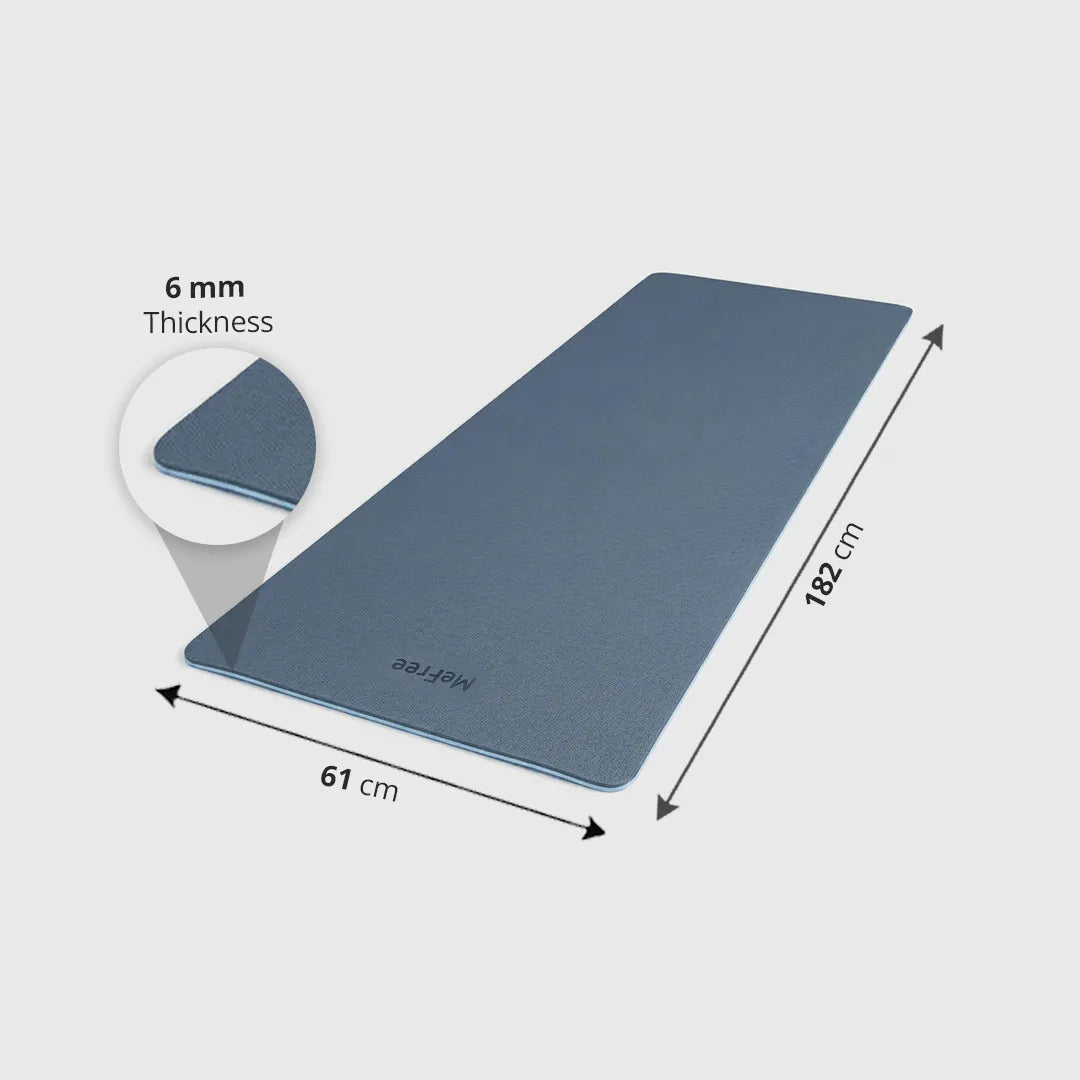


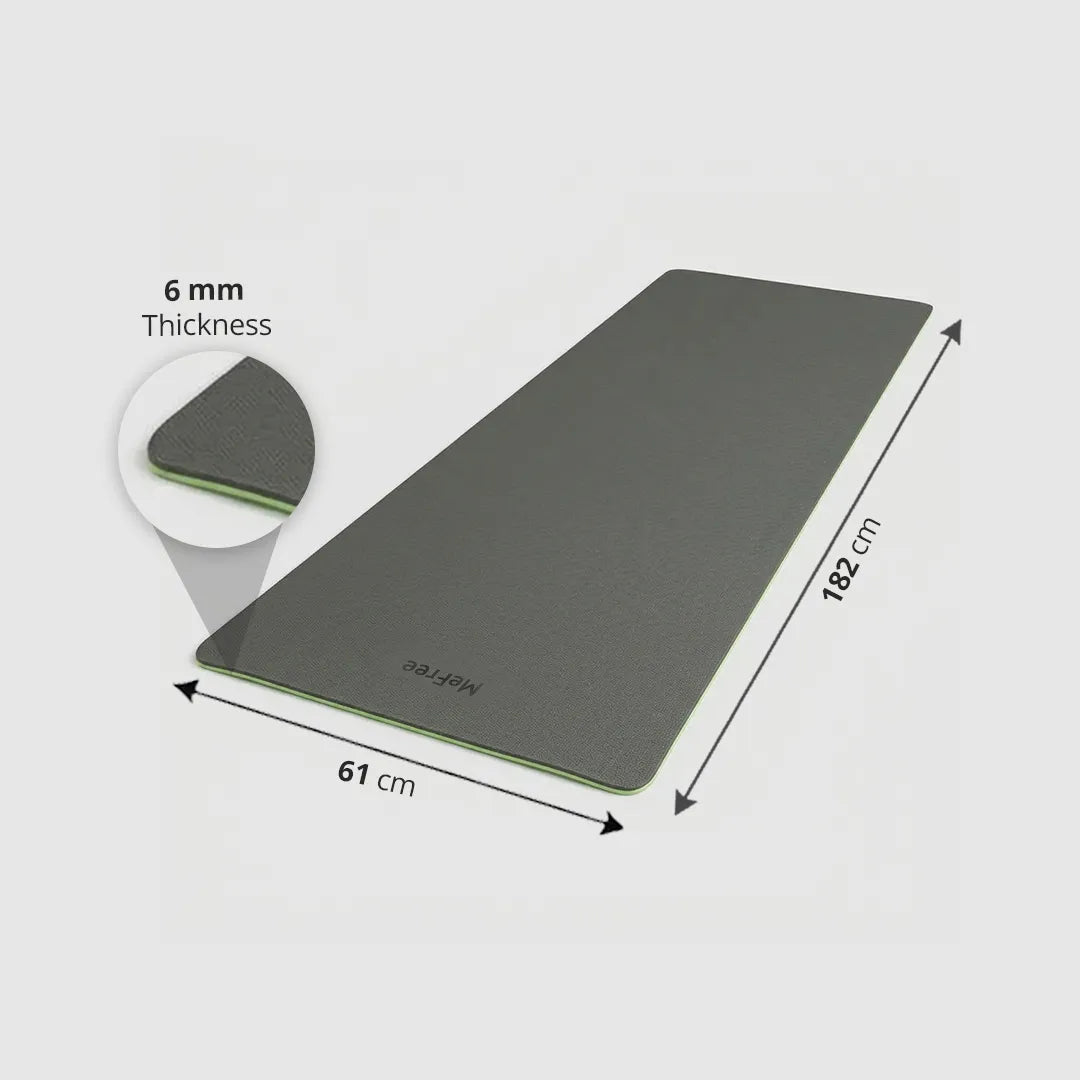


6mm Yoga Mats for a Comfortable Practice
If you practise yoga regularly, you probably know that not every pose feels comfortable on a hard floor. Kneeling, sitting for long periods or stretching can put pressure on different parts of the body. 6mm Yoga Mats offer a little extra cushioning for these movements without making the surface too thick for standing poses.
MeFree's collection includes lightweight TPE yoga mats with a double-layer design. Some options also have alignment lines, which can come in handy when working on your posture. Whether you roll out your mat every morning at home or carry it to a yoga class, the right choice depends on what feels comfortable and works for your practice.
Key Features of 6mm Yoga Mats
- Material: MeFree's 6mm mats are made from thermoplastic elastomer (TPE). The material is flexible and lightweight, so carrying the mat to class or putting it away after practice is easy. It is also a useful option for people looking for an alternative to traditional PVC mats.
- Thickness: The difference between a thin mat and a 6mm thick yoga mat becomes noticeable during floor-based poses. The added padding can make kneeling, seated stretches and similar movements more comfortable, especially on hard flooring. At the same time, the mat is not so thick that it automatically feels bulky underfoot.
- Grip and Texture: Nobody wants their mat shifting around while they are trying to hold a pose. MeFree's double-layer mats have a textured surface designed to provide grip during practice. How secure the surface feels will also depend on the movements you do and how much you sweat.
- Durability and Maintenance: Designed to withstand regular use, this yoga mat offers reliable durability for consistent practice. Its sturdy construction helps maintain its quality over time, making it a dependable choice for everyday yoga sessions.
- Comfort and portability: MeFree's 6mm mats weigh around 600–650 grams, making them easy to carry between home and the studio. You get some cushioning for floor poses without having to carry a particularly heavy mat.
Benefits of a 6mm Yoga Mats
- More comfortable floor practice: Holding a kneeling pose on a hard surface can become uncomfortable after a while. A 6mm mat adds a layer of padding beneath your knees, hips and elbows. This can be helpful during seated stretches, warm-ups and other floor-based movements.
- Enough cushioning without feeling too thick: Choosing a mat often comes down to finding the right balance. A very thin mat may not feel comfortable on a hard floor, while a very soft surface can make balancing harder. A 6mm yoga mat offers a middle ground, although the feel will vary depending on the mat and the surface underneath it.
- Works with your regular yoga routine: You may spend one session working through Hatha Yoga poses and another focusing on stretching. A 6mm mat can be used for both, along with many everyday floor exercises. It is a practical option if you would rather use one mat for different activities.
- Convenient to carry to class: If you attend yoga classes outside your home, you probably don't want a mat that feels like another heavy bag to carry. MeFree's lightweight 6mm mats are easy to roll up and take along. They also fit conveniently into a regular practice routine at home.
- Alignment lines for extra guidance: Some MeFree mats feature alignment lines on the surface. These markings give you a visual reference for placing your hands and feet during different poses. They can be useful when you are learning a new posture or trying to pay closer attention to your positioning.
- Easy to keep clean: You don't need an elaborate cleaning routine after every session. A quick wipe helps remove sweat and everyday dirt. Just give the mat enough time to dry before storing it, particularly after a longer or more intense practice.
How to Choose the Right 6mm Yoga Mat
The best mat for you depends on how you practise, where you use it and what you find comfortable. Here are a few things worth considering before you buy.
- Think about the kind of yoga you do: If your routine includes Hatha Yoga, stretching, seated poses and gentle flows, a 6mm mat is worth considering. If you spend a lot of time in balancing postures, you may prefer a thinner surface. Your own sense of stability is a good starting point.
- Consider how much cushioning you need: Some people are comfortable practising on a thin mat, while others prefer more padding under their knees and hips. If hard floors bother you, the added cushioning of a 6mm thickness mat may help. However, extra padding may not be enough if you have ongoing joint pain.
- Pay attention to the grip: A mat should feel secure when your hands and feet are on it. If you tend to sweat during practice, or enjoy more dynamic sequences, think carefully about the surface texture before making your choice.
- Check the material and weight: A 6mm TPE yoga mat may suit you if you want something flexible and easy to carry. Look at the product specifications as well as the cleaning instructions so you know what to expect from the mat.
- Decide whether alignment markings are useful to you: If you're still getting familiar with yoga poses, the lines can help you work out where to place your hands and feet. If you have an established practice and prefer a plain surface, you may not need them.
Before you shop, think about where you'll use your mat most often and how frequently you'll carry it around. Explore MeFree's collection of 6mm mats online and choose an option that fits your everyday practice.
Frequently Asked Questions
1. Is a 6mm yoga mat good for beginners?
Yes, a 6mm mat is a good option for many beginners. The cushioning can make seated and kneeling poses more comfortable while providing a reasonably stable surface for standing postures. If you are learning the basics, an alignment mat may also help you with hand and foot placement.
2. What types of yoga is a 6mm mat suitable for?
A 6mm mat works well for Hatha Yoga, gentle flows, stretching and general floor exercises. If your sessions involve frequent balancing postures, try the mat on a firm surface to see whether it feels stable enough for you.
3. Does a 6mm yoga mat provide enough cushioning for sensitive joints?
For many people, the added padding makes kneeling and seated poses more comfortable. However, the amount of support needed varies from person to person. If you experience persistent joint pain, consult a healthcare professional rather than relying on mat thickness alone.
4. How do I clean and maintain a 6mm yoga mat?
After practice, wipe the mat with a soft, damp cloth to remove sweat and dirt. Leave it to dry completely before rolling it up. Avoid harsh cleaning products unless the manufacturer's instructions say they are suitable.
5. Can I use a 6mm yoga mat for outdoor practice?
Yes, you can use your mat outdoors on a clean, level surface. Check the ground for small stones, sticks or anything sharp before starting your practice. Once you're done, wipe away any dirt and let the mat dry before putting it away.