
Table of Contents
- Introduction
- Why You Should Start Inversions Early in Your Practice
- Gentle Yoga Inversions Perfect for Beginners
- How Props Make Inversions Beginner-Friendly
- Safety & Mindful Practice Tips
- Conclusion
An inversion can be any pose in which your head is lower than your heart. For example, a Headstand (Sirsasana) or a Handstand (Adho Mukha Vrksasana). Most beginners shy away from inversions because they are afraid it can feel terrifying to imagine being completely upside down, and balancing on your head or hands may feel impossible!
The great news is that inversions don’t always mean being upside down! There are lots of different postures that are considered inversions, many of which you can easily practice on your first day! You can consider postures where the hips just elevate slightly higher than the heart, these are inversions too! Remember, what’s important is that even just a slight inversion is beneficial for your body. They are a great way to gradually help your body flip its perspective.
Why You Should Start Inversions Early in Your Practice
Don't wait until you are an "advanced" yogi to reap the rewards of going upside down. Adding gentle inversions in yoga early on can transform your practice and your well-being.
1. Increases Circulation and Energy
When positioned inversed, the gravity pulls the blood back down to the heart and brain. The blood rushes backdown with fresh oxygenated blood and it can feel really refreshing and make you feel less tired in no time. Improved blood flow supports the lymphatic system, which is responsible for eliminating toxins and improving the immune system.
2. Improves Mental Clarity and Confidence
Changing your perception of the world physically can greatly change how you think about the world. Inversion postures have you focused on balance and alignment which completely changes your state and quiets your mind. As a beginner, even the act of learning the correct way to move your body through gentle inversion postures creates a sense of accomplishment that permeates every area of your life and develops a refreshing level of confidence.
3. Builds Your Foundation
Even the most basic inversions, such as Downward Facing Dog Pose (Adho Mukha Svanasana), can help strengthen your core, shoulders, and arms. This gradual strengthening prepares your body for more advanced shift positions, postures, and shapes in a more safe and natural aspect.
Gentle Yoga Inversions Perfect for Beginners
You don't need a powerful arm balance to experience the incredible effects of an inversion. These accessible inversion yoga poses for beginners focus on safety, support, and ease.
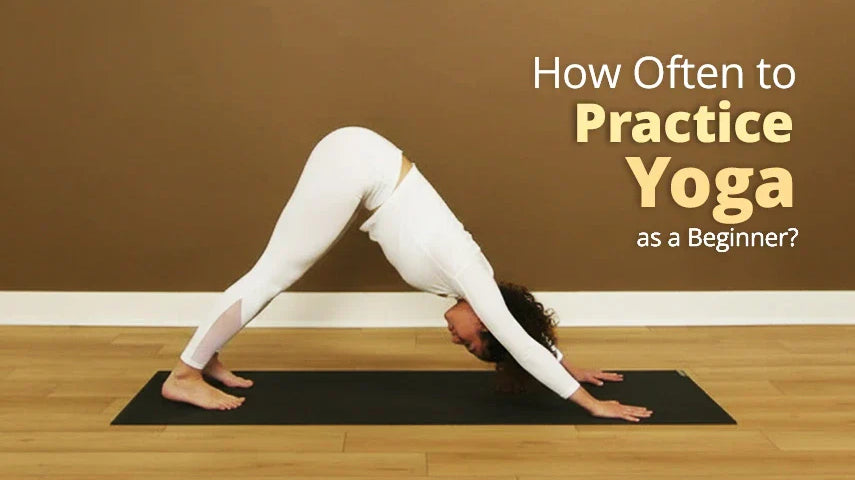
1. Downward-Facing Dog Pose (Adho Mukha Svanasana)
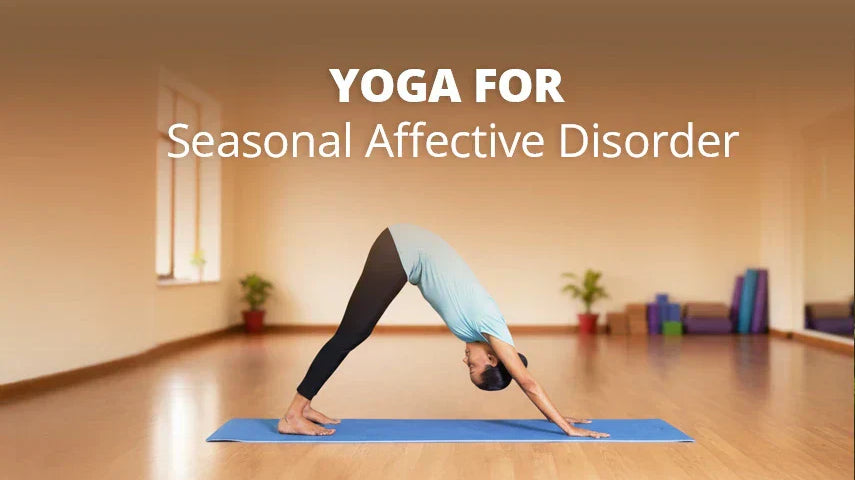
Yes, the cornerstone of almost every yoga class is an inversion! In this pose, your hips are lifted higher than your heart, offering a mild inversion effect.

Benefits: Strengthens arms and shoulders, stretches hamstrings and calves, and gently reverses blood flow.
2. Standing Forward Fold (Uttanasana)
Simply bending forward from the hips and letting your head hang is a wonderful, grounding inversion.

Benefits: Calms the nervous system, relieves stress, and stretches the entire back of the body. You can keep a generous bend in your knees if your hamstrings feel tight.
3. Legs-Up-the-Wall Pose (Viparita Karani)
The ultimate restorative inversion, this pose requires zero effort and is incredibly calming.

Benefits: Relieves tired or swollen legs and feet, soothes the nervous system, and promotes deep relaxation. Hold this for 5-15 minutes!
How Props Make Inversions Beginner-Friendly
A key principle in making yoga inversions safe and accessible is the smart use of props. Props are not a crutch; they are tools for deeper support, better alignment, and increased awareness.
- The Wall: The wall serves as a remarkable ally for inversions. You can utilize the wall for support when preparing for inversions such as Handstand (Adho Mukha Vrksasana) and Forearm Stand (Pincha Mayurasana), or to allow a passive break in Legs-Up-the-Wall Pose (Viparita Karani). The stability of the wall promotes confidence so you can focus on bodily alignment.
- Blocks: Using blocks under your hands in Downward Dog Pose (Adho Mukha Svanasana) can lessen the strain on the wrists. When in Standing Forward Fold Uttanasana,use a block under the head for a supported position to promote deep rest.
- Blankets/Bolsters: A folded blanket may be placed under the shoulders in Bridge Pose (Setu Bandhasana), or under the head in Child's Pose (Balasana), as comfort for protecting the neck and spine.
Safety & Mindful Practice Tips
While the yoga inversions benefits are plentiful, approaching them with caution and respect is essential for a safe, sustainable practice.
1. Warm Up Fully: Do not attempt any inversions without warming up first. Use some Sun Salutations (Suryanamaskara) and poses for thoracic and core warming and wrist and shoulder work.
2. Listen to Your Body: The most important thing to do is listen. If you feel worrisome sharp pain or pressure in your head or neck or any pressure or dizzy spells, come out of the pose immediately and rest in Child's Pose (Balasana).
3. Begin- Hold for a Few Breaths - and Go Slow: You might have a gentle inversion, like Downward Dog Pose (Adho Mukho Svanasana), for a few breaths. If it is restorative and you can keep your inversions for longer like Legs Up the Wall Pose (Viparita Karani), you can hold it for more extended periods. For balancing inversions, think less is more when you are a beginner.
4. Know the Contraindications: There are also a few contraindications. Some inversions may not be safe at all if you have the following conditions, so avoid even a full inversion like Headstand (Srisasana) until you check with a doctor or experienced yoga teacher:
- High blood pressure
- Heart conditions
- Glaucoma or eye conditions
- Neck or spinal injury
5. Always Take a Counter Pose: Always remember to take a moment to put yourself upside down first in a gentle Forward bend (Paschimottanasana) or Child's Pose (Balasana) for a few moments before to allow the blood flow to normalize.
Conclusion
Exploring yoga inversions is one of the best gifts of a yoga practice. By freeing yourself of the thinking of a perfect, Instagram-ready pose, and opting some accessible inversion yoga poses for beginners, you are on your way to safely unlocking the extraordinary physical and mental benefits of turning your world upside down.
So, lean into the friendliness of the beginner's journey, trust the strength you are cultivating, and enjoy the new perspective!