
- Introduction
- The Impact of Yoga Props on Therapeutic Yoga Practices
- Common Yoga Props Used in Therapeutic Yoga
- How to Incorporate Yoga Props for Therapeutic Yoga Practice
- Conclusion
Understanding Therapeutic Yoga
Therapeutic yoga is a gentle and individualized approach to yoga that adapts to the specific needs of each individual. It focuses on addressing physical limitations, chronic pain, and mental health challenges through modified postures, breathing techniques, and relaxation practices. Unlike traditional yoga, therapeutic yoga emphasizes support, alignment, and progress at an individual's own pace.The Impact of Yoga Props on Therapeutic Yoga Practices
Yoga props play an indispensable role in therapeutic yoga by providing support, stability, and accessibility. They allow individuals to modify poses to suit their specific needs, reducing pain and discomfort while promoting healing and well-being. By incorporating props into therapeutic yoga practitioners can:- Increase accessibility: Props make yoga poses more attainable for individuals with physical limitations, such as reduced flexibility or joint pain.
- Enhance comfort: Props provide support and cushioning, reducing discomfort and promoting relaxation.
- Improve alignment: Props can help individuals achieve proper alignment in poses, preventing strain and injury.
- Build confidence: Using props can boost confidence and reduce fear of attempting challenging poses.
- Deepen relaxation: Props facilitate deeper relaxation, allowing individuals to release tension and stress.
- Support therapeutic goals: Props can be used to address specific conditions, such as back pain, anxiety, or insomnia.
Common Yoga Props Used in Therapeutic Yoga
A variety of props can be utilized in therapeutic yoga to address different needs and conditions. Some of the most common props include:
1. Yoga blocks:
These versatile props offer support and elevation for hands, feet, and hips. They can be used to modify poses, reduce strain, and improve alignment. For example, in a forward bend (Uttanasana), placing yoga blocks under your hands can help maintain a flat back and prevent overstretching.
2. Yoga blankets:
Yoga Blankets provide cushioning, support, and warmth. They can be folded and placed under various body parts to alleviate discomfort and promote relaxation. For instance, a folded blanket can be used as a support for the lower back in seated poses.
3. Yoga bolsters:
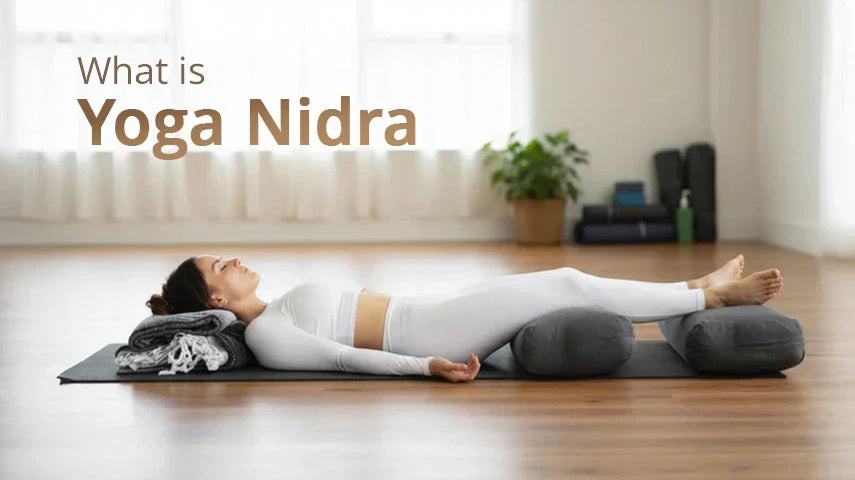
These elongated cushions offer substantial support for the back, hips, and head. They are ideal for restorative poses and individuals with back pain. A bolster can be used to support the entire body in a supine twist for a deep, restorative pose.
4. Yoga Belts:
Yoga belts aid in reaching the floor or holding onto body parts, allowing for deeper stretches and improved flexibility. They can be used to support the arms in a triangle pose or to lengthen the spine in a forward bend (Uttanasana).
5. Chairs:
Chairs can be used as a support for seated postures, inversions, or balance exercises, depending on the individual’s needs. A yoga chair can be used as a prop for a seated twist or as a support for a gentle inversion like a supported shoulder stand.