
Table of Contents
- Introduction
- What Are Cotton Yoga Props?
- What Are Synthetic Yoga Props?
- Cotton Yoga Props vs Synthetic Yoga Props - Comparison Table
- Which One Supports You the Best?
- Conclusion
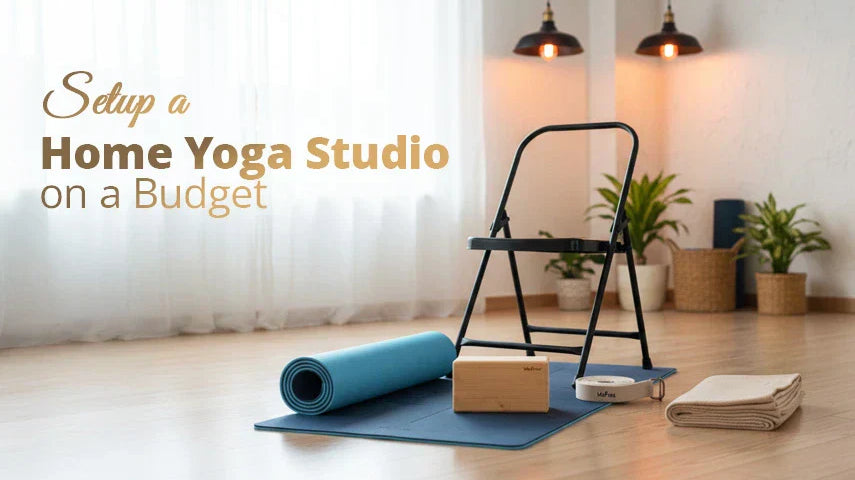
Yoga is more than simply practicing poses (asanas). It also includes being more present, focusing on your breath, self-exploration, and interactions with the world around you. As you become more advanced, you may begin to add blocks, bolsters, blankets, and belts to help you align, support, or relax more deeply.
When choosing yoga props, it is essential to consider the material from which they are made. How do you feel about the wildly structured feel of modern, synthetic yoga props vs the natural, more traditional cotton yoga props? This Cotton Yoga Props vs Synthetic Yoga Props guide will help you to understand and select the ideal props for your body, your practice style, and your values.
What Are Cotton Yoga Props?
Cotton yoga props are made from fibre that comes from plants. They are usually made of 100% cotton or a mix of organic cotton and other materials. For a long time, people have used natural fabrics for spiritual and physical practices.
Some examples include cotton yoga blankets, cotton belts and bolsters filled with on, all offering a natural touch to your yoga journey.
Features of Cotton Yoga Props:
- Breathable: Cotton has natural softness and breathability and is gentle on skin, so cotton blankets and bolsters are great choice for restorative postures and Savasana.
- Absorbent Grip: The inherent absorbency of cotton is ideal for straps or mat as the more you practice and sweat, the more it soaks up sweat and improves grip.
- Environment Friendly: Natural cotton, especially organic cotton, is a renewable resource that has a breakdown period in nature, so it is a favourite among yogis who have an environmental consciousness.
What Are Synthetic Yoga Props?
A synthetic yoga prop refers to a piece of yoga equipment made from man-made, artificial materials, as opposed to natural ones. They are made up using different chemicals which makes them light in nature, water resistant and durable. Just like cotton yoga props, many popular yoga accessories are also available in synthetic materials, offering modern strength and resilience with the same supportive comfort.
Examples include yoga belts, TPE yoga mats, foam yoga wedges, foam yoga blocks, and eye pillows filled with polyester fibre, all designed to bring ease and longevity to your practice.
Features of Synthetic Yoga Props:
- Density and Stability: You can form high-density foam or plastics into non-compressible blocks, which are very useful in balancing poses and foundational work.
- Sweat Resistant: Many synthetic fibres are water and sweat resistant. They also remain stain and moisture resistant, making it very easy to wipe down and clean them.
- Light in Weight: Foam blocks and other synthetic props are usually very light and strong, and they will last the longest.
Cotton Yoga Props vs Synthetic Yoga Props - Comparison Table
This comparison of Cotton Yoga Props vs Synthetic Yoga Props will help you understand the most important and practical differences:
|
Feature |
Cotton Yoga Props |
Synthetic Yoga Props |
|
Feel and Comfort |
Soft, skin-friendly, natural, and breathable texture. Excellent for restorative poses. |
Varies: Can be smooth, sticky, or firm. Often lightweight and stretchy (straps/apparel). |
|
Grip/Traction |
Good absorbency provides decent grip when sweaty (especially mats/straps). |
Often designed for excellent, reliable grip/stickiness (mats, blocks). |
|
Moisture Management |
Absorbs sweat well, which is hygienic, but can become damp and takes longer to dry. |
Moisture-wicking (fabric) or non-absorbent (mats/blocks); dries quickly. |
|
Durability |
High-quality cotton is strong and durable; may require more care (washing/drying). |
Generally, very durable and resistant to wear and tear. Foam blocks are very long-lasting. |
|
Maintenance |
Typically, washable (mats, blankets, covers); may be prone to shrinkage or fading. |
Usually easy to wipe clean (mats, blocks). Synthetic fabric is quick drying. |
|
Eco-Friendliness |
More eco-friendly (especially organic cotton); biodegradable. |
Less eco-friendly (petroleum-based); look for recycled or non-toxic TPE options. |
|
Best For |
Gentle, Hatha, Restorative, and Yin yoga; or those who prioritize a natural feel. |
Dynamic, Vinyasa, Hot Yoga, or those who need maximum stability and grip. |
Which One Supports You the Best?
The best option for you will depend on how you practice, what you want to do with the prop, and what is most important to you. Both materials have their uses in the yoga studio.
If you care about:
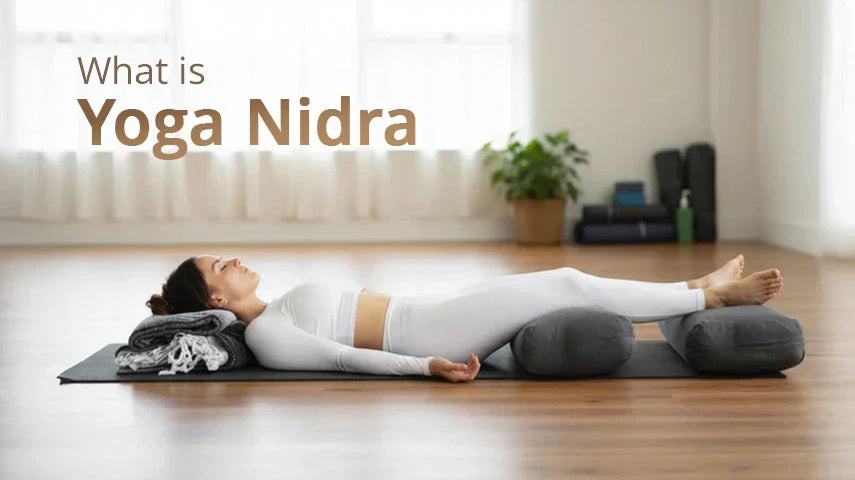
- Restorative and Yin Yoga: A cotton bolster or blanket is the best thing to use for deep relaxation and poses like Savasana (Corpse Pose), or Balasana (Supported Child's Pose) because it is soft, heavy, and flexible. They give a soothing, "grounding" presence.
- Environment: Cotton props are better for the planet because they last longer and break down naturally.
- Breathability: Cotton is soft and breathable. Cotton yoga props are great because they are made of natural materials.
If you care about:
-
High-Density: Foam blocks are the best for stability in standing poses, like putting your hand down in Uttihita Trikonasana (Triangle Pose). They are also light and have a strong base. They provide a stable, hard surface. They are also very easy to take to and from the studio, which shows how portable synthetic yoga props are.
- Easy to Clean: Synthetic blocks and easy-wipe straps are great for hot yoga or shared studio spaces because they don't absorb water and are easy to clean.
- Budget and Travel Friendly: Synthetic materials are usually cheaper and much lighter than cotton-filled or cork-filled ones, so they are a great choice for beginners or travellers.
Conclusion
Choosing the props you want for yoga is a way to identify how serious you are about your practice. The goals are the same, whether you choose soft, breathable, and sustainably sourced cotton props for yoga or choose synthetic yoga props that are firm, lightweight, and durable. The props will allow you to hold your postures for longer, breathe more fully, and have deeper awareness.
You can choose the best foundation for your unique journey on the mat with confidence when you are educated about the differences between Cotton Yoga Props and Synthetic Yoga Props, such as how they feel, how they support you, and the environmental impact.