
Table of Contents
- Introduction
- Why Use Yoga Props for Inversion Poses?
- Best Yoga Props for Inversion Poses
- How to Choose the Right Prop for Your Inversion Practice
- Conclusion
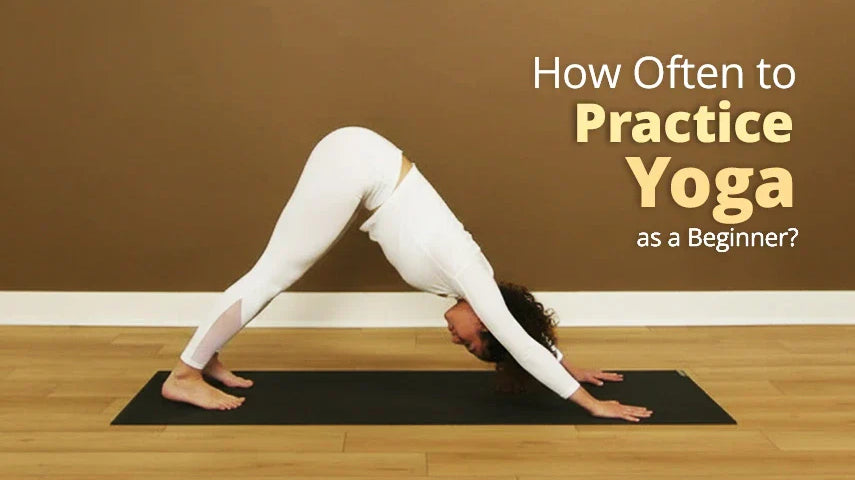
Going upside down can be one of the most powerful, liberating, and beneficial things you do to yourself in your yoga practice. Inversions, or any posture where your heart is above your head; more often than not, a person thinks only of headstand (sirsasana) or handstand (adho mukha vrksasana), but let's not forget about some of the gentler inversions like downward-facing dog pose (adho mukha svanasana) and legs-up-the-wall (viparita karani). The benefits of inversions are limitless! They can get your circulatory system moving, stimulate energy, tone muscles and arms, and give you a whole new perspective on the world!
However, for many of us, thinking about doing the upside-down can be terrifying, too. Generally, we fear falling; we wonder if we are doing something wrong, or we even worry about straining our knees, necks or shoulders while inverting. Those are all valid feelings, and that's why we have yoga props! Using yoga props for inversion are a helpful resource that make yoga more accessible, safe, and effective. Especially when it comes to inversions, props are key to feeling comfortable about the stability, alignment, and trust involved in going upside down.
Why Use Yoga Props for Inversion Poses?
Using yoga props for inversion is not about making a pose "easier" in a way that diminishes its benefits. Instead, it's about making the pose more sustainable for your body. Here's how they provide support:
- Supporting Appropriate Alignment: The most prevalent risk factor for injury in inversions is improper alignment. Props offer body awareness that informs your body of the correct alignment. For instance, a yoga belt can help keep your elbows from splaying out in Headstand, which creates a safe, stable foundation to protect your shoulders.
- Decreasing Pressure on Vulnerable Joints: Poses like Headstand and Shoulder Stand apply pressure to the vulnerable cervical spine (your neck) and the shoulder girdle. Props assist with redistributing the weight. In shoulder stand, blankets under the shoulders create a lift, providing a platform that keeps the base of your neck from the floor to reduce compression. An inversion bench while doing a headstand, relieves pressure from the neck completely.
- Safely Building Strength and Confidence: The fear of falling is a significant barrier in the mind. During Headstand, if you have a wall to use for stabilization, you can put your fear aside and focus on building the core and shoulder strength to hold the pose. If you hold a correctly aligned pose longer using a prop, you are creating muscle memory. Your body begins to understand how the pose should feel, allowing you to replicate a similar version without the support later.
- Making Poses Accessible: Not everyone is ready to jump into a full inversion without support. Props will help you link where you are with where you want to go, allowing you to feel the benefits of the pose while developing the needed strength and flexibility more gradually.
Best Yoga Props for Inversion Poses
Different props offer unique forms of support for various inversions. Here are some of the most effective ones and how to use them.
1. The Wall Yoga Ropes
The wall yoga ropes is your most reliable and accessible yoga partner. It provides unwavering support and removes the fear of falling backward, allowing you to focus on the pose.
How it Helps: The wall yoga ropes keep you safe and help you stay in line. You can use it to regulate your start, hold the pose longer, and make sure your body is piled up straight.
The Best Poses are:
1. Legs-Up-the-Wall (Viparita Karani): The best inversion for healing. Just lie on your back and stretch your legs straight up the wall. Holding yoga ropes help you to be in proper alignment. It's great for relaxing and getting your blood flowing.
 2. Supta Baddha Konasana (Reclining Bound Angle Pose) and Srisasana (Headstand): This posture is like an inverted Bound Angle pose, and using the wall yoga ropes can help you discover your balance and gain the strength to hold it.

2. Yoga Blocks
Yoga blocks are incredibly versatile. They help bring the floor closer to you, provide support, and enforce alignment.
How it Helps: You can use yoga blocks to support weight, engage certain muscles by squeezing them, or provide your hands or shoulders a sturdy base.
The Best Poses are:
1. Setu Bandhasana (Supported Bridge Pose): A gentle inversion that prepares you for the next pose. Adding a block beneath your sacrum (the flat part of your lower back) enables you to relax into the pose and to open your heart.
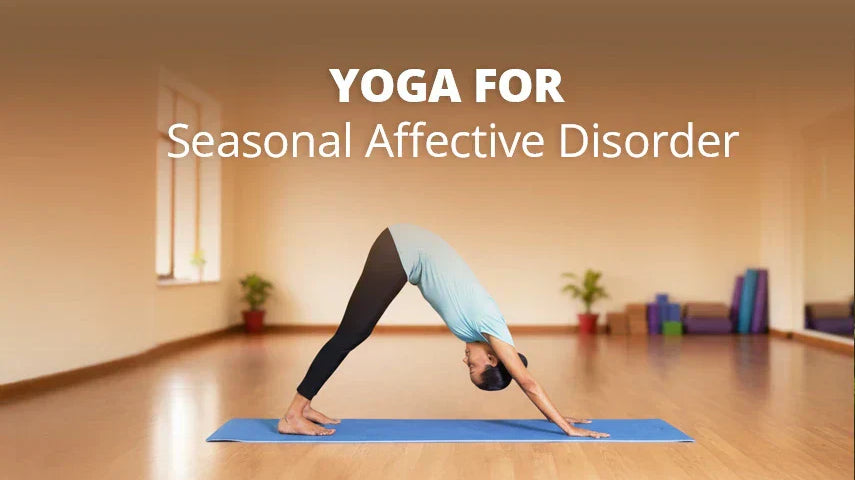
 2. Adho Mukha Svanasana (Downward-Facing Dog Pose): A gentle upside-down inversion can be made more approachable by adding Yoga Blocks to the pose.
3. Yoga Belts
A yoga belt is a simple, non-elastic band that helps you maintain form and create stability where your own muscles might be weak or tired.
How it Helps: It keeps elements of your body in place like a brace so you can concentrate on other parts of the pose. Its main job in inversions is to keep your arms from spreading out.
The Best Poses are:
Forearm Stand (Pincha Mayurasana): The belt keeps your forearms parallel, which keeps your elbows from moving apart and making you unstable.

4. Yoga Chair, Blankets and Bolsters
Yoga chair provides a sturdy support in inversion poses. Moreover, soft props like blankets and bolsters are essential for protecting your joints and providing comfortable support base.
How it Helps: Yoga chair protects the neck in shoulder-supported inversions by creating space. Yoga blanket and bolster provide cushioning to sensitive areas.
The Best Poses are:
Shoulder Stand (Sarvangasana): Put a Yoga Bolster to make a platform for your shoulders. Rest your feet on the yoga chair. The mat below your head is where it rests. This height makes sure that your body weight is on your strong shoulder muscles and not on your weak neck vertebrae.

5. Headstand Bench (Inversion Bench)
Headstand bench is a specialized prop designed specifically for practicing headstands without any risk to your neck.
How it Helps: Yoga prop for headstand is an inversion bench which includes a soft opening for your head and padding to support your shoulders. Your shoulders carry all the weight, and your head and neck swing freely, which completely relaxes your spine.
The Best Poses are:
Supported Headstand (a variant of Sirsasana): This is the primary purpose of a headstand bench. The benefits of a headstand are seeked such as improved circulation and focus accessible to nearly everyone, including those with neck problems.

How to Choose the Right Prop for Your Inversion Practice
The right prop for you depends on your individual needs and goals. Consider these factors:
- Experience Level: If you are just beginning, your best bet is to start with the wall and blocks. The wall is your best friend in building your confidence. If you have neck issues but could use some inversion in your practice, an inversion bench is a wise investment!
- Flexibility and Strength: If your shoulders are tight and you need a yoga belt to keep your arms in the right place in forearm stand. If your core has not developed enough, the wall will provide you with enough time holding the pose to develop strength and endurance.
- Specific Goal: If you want to hold a Handstand, longer use belt. If you want to remain safe in shoulder stand use stacked blankets. If you want the circulatory benefits of Headstand but do not want pressure on your neck, the inversion bench is what you want.
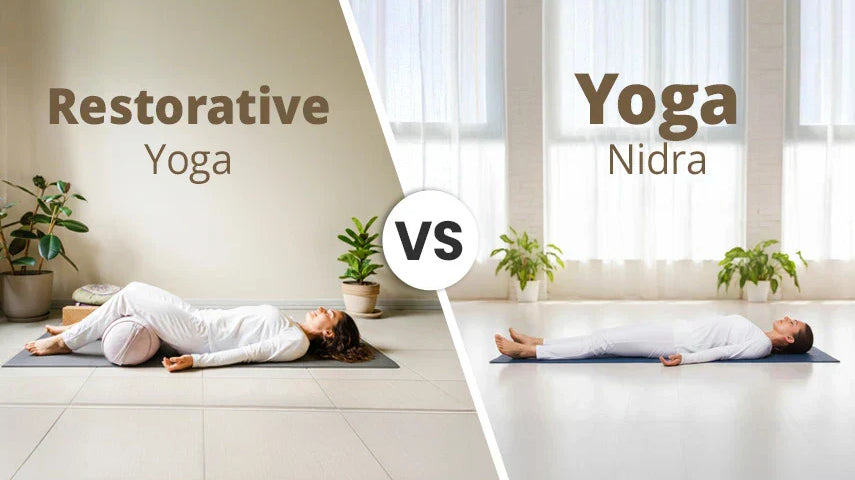
- Type of Yoga: In an Iyengar class, props are integral to your practice and there will be many ways to utilize props. In a fast-paced Vinyasa, props will only serve you for some practicing drills. If the practice is Restorative, using blankets, bolsters, and the wall are very important to develop the gentleness of supported inversions.
Conclusion
The yoga tradition has provided us with a real gift of inversions! Inversions provide the gift of physical strength, mental clarity, and exploration! Yoga Props for inversion like blocks, blankets, belts, headstand bench or bolsters help in making the practice safer, sustainable, and more enjoyable for you! Props are a way to work with your body exactly how it is in this moment, and to help you safely and confidently turn your world upside down. Whether it's a block, a belt, or maybe a wall, grab a prop and take a moment to explore this new way of being!