
Table of Contents
- Introduction
- What is Ashtanga Yoga?
- What Is Iyengar Yoga?
- Ashtanga Yoga vs Iyengar Yoga
- Differences Between Ashtanga Yoga and Iyengar Yoga
- Conclusion
Yoga is an ancient Indian practice that has crossed cultural and geographical boundaries and has become a global phenomenon. Over the years, the teachings of yoga unfolded into several schools, each focusing on different aspects of the practice. Of these, Ashtanga Yoga and Iyengar Yoga stand tall as two of the most widely known and practiced forms. While both the styles aim at physical well-being, mental clarity, and spiritual growth, their teaching style, sequencing, and deviation on several points of alignment, movement, and breath differ. This article aims to compare differences between Ashtanga yoga and Iyengar yoga, showing their place in modern yoga and crucial differences between the two that would aid practitioners in their choice for one style over the other.
What is Ashtanga Yoga?
Ashtanga yoga, is a style of yoga as exercise popularised by K. Pattabhi Jois during the twentieth century, often promoted as a dynamic form of medieval hatha yoga in the middle of the 20th century, emphasizes a set sequence of postures in a certain order and is thus characterized as dynamic and vigorous. The word “Ashtanga,” meaning “eight limbs,” derives from two Sanskrit words-“Ashta,” meaning eight, and “Anga,” meaning limbs”. This term refers to the eight limbs of yoga according to the Yoga Sutras of Patanjali – these moral and ethical principles, physical postures (asanas), breath control (pranayama), and meditation contribute to the holistic approach of Ashtanga Yoga.
The practice is focused on synchronizing breath with movement, a technique called “Vinyasa.” Inhalation or exhalation is synchronized with each movement, resulting in a continuous, flowing practice. The system consists of six series of postures, each increasingly difficult and based on building strength, flexibility, and stamina. The primary series (Yoga Chikitsa) is taught first, followed by the intermediate series (Nadi Shodhana) and advanced (Sthira Bhaga). Traditionally, Ashtanga Yoga is practiced in two formats: led classes-the teacher instructs the learners; and Mysore-style self-practice – each learner practices individually with the teacher circulating around the room.
What Is Iyengar Yoga?
Iyengar Yoga named after and developed by Guruji B.K.S. Iyengar constitutes one among other popular styles of yoga, incorporating emphasis on alignment and precision concerning each posture. Guruji B.K.S. Iyengar was truly a huge follower of the teachings of classical yoga texts. The focus of Iyengar yoga is on proper body alignment during asanas so that one can reap the benefits of safety and healing. It is supposed to be a therapeutic practice used to heal mind and body considering itself to be practicable for all levels of experience. Poses are held longer, providing practitioners with an understanding of how to refine their alignment and attentiveness to their breath with continuous emphasis on relaxation and inserting oneself into the pose with mindfulness.
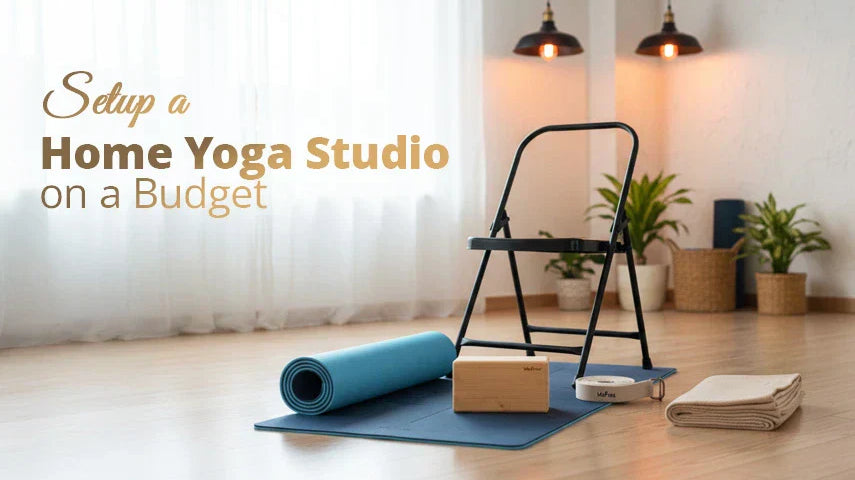
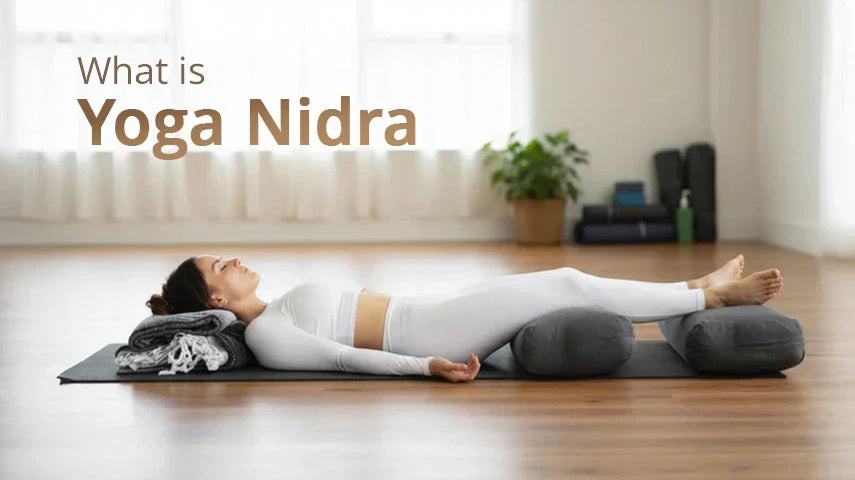
One of the unique aspects of Iyengar Yoga is the use of props, including yoga blocks, straps, blankets, and bolsters. Props help ensure better alignment, accessibility of poses, and resting of the body in any posture, allowing people with physical limitations and injuries to participate more fully and comfortably in the practice. Props also allow the student to experience the asanas far more deeply by providing the time and support to settle into each pose.
The goal of Iyengar Yoga is to establish a balanced condition of the mind-body, giving rise to physical strength, mental clarity, and emotional stability. Iyengar yoga takes mostly a systematic approach, often choosing a series of poses directed toward a certain part of the body. Students are encouraged to become aware of both the form and the breath, allowing input in asanas to become a means of self-discovery and internal peace.
Ashtanga Yoga vs Iyengar Yoga
While both Ashtanga Yoga and Iyengar Yoga stem from traditional Hatha Yoga, their methods and practices are distinct. Here is a breakdown of their key differences:
| Aspect | Ashtanga Yoga | Iyengar Yoga |
| Origin | Developed by Sri K. Pattabhi Jois in the 20th century. | Developed by Guruji B.K.S. Iyengar in the mid-20th century. |
| Approach | Dynamic, flowing sequences of postures synchronized with breath. | Focus on precise alignment and the use of props to support poses. |
| Pacing | Fast-paced, intense, with a fixed sequence of postures. | Slow-paced, with long holds in each posture for deepening alignment. |
| Sequence | Follows a set series of poses in a specific order (Primary, Intermediate, Advanced series). | Flexible, with various sequences tailored to individual needs. |
| Breathwork | Strong emphasis on Ujjayi breath to link movement with breath. | Breath is emphasized but not as central as in Ashtanga Yoga. |
| Props | Rarely uses props, focusing on building strength and flexibility through body control. | Extensive use of props (blocks, straps, blankets) to aid alignment and accessibility. |
| Focus | Building strength, flexibility, and endurance with a focus on self-discipline. | Alignment, balance, and precision, often with therapeutic benefits. |
| Physical Intensity | High physical intensity, with challenging postures and sequences. | Moderate physical intensity, with a focus on accessibility and detail. |
| Class Structure | Classes follow a set sequence and may be taught in a “Mysore” style (self-paced with teacher guidance). | Classes are structured around detailed instructions and adjustments, focusing on individual needs. |
| Suitability | Best for those looking for a physically challenging and disciplined practice. | Suitable for practitioners of all levels, including those with injuries or specific health concerns. |
Differences Between Ashtanga Yoga and Iyengar Yoga
- Pacing and Intensity: Ashtanga Yoga is a challenging and speedy practice where students flow through a set sequence of postures. In stark contrast to this fast-paced method, Iyengar Yoga works with slow, deliberate movements and long holds in the poses for developing alignment and deepening the stretch. Hence, Ashtanga yoga is more about endurance and strength, while Iyengar yoga emphasizes precision, control, and therapeutic benefits.
- Sequencing and Structure: In Ashtanga Yoga, a fixed sequence of asanas is diligently followed, with the variations or poses getting progressively difficult and organized across six series of yoga postures. Whereas, in Iyengar Yoga, on-the-spot shifts in sequencing, which is relevant to individual needs and limitations of the physical body, are required.
- Alignment and Props: In Iyengar Yoga, alignment is a central pillar of the practice, and various props are used to help students achieve an aligned, comfortable posture in each pose regularly. Since Ashtanga yoga believes in strengthening the core, they do not provide props, as these two practices diverge sharply.
- Breath: Breath and Ashtanga yoga movements are interwoven with Ujjayi breath, which creates internal heat and promotes the flow of energy. While breath is emphasized in Iyengar Yoga, it is less essential than in Ashtanga yoga, as the focus is more upon body alignment with the poses held for greater time.
- Rounding Off: Iyengar Yoga is usually seen as ideal for beginners or those who cannot do rigorous physical exertion, as it provides an easier practice that uses props and gives detailed instructions. Given the highly intense and demanding nature of Ashtanga yoga, it’s generally suggested for people who already have a well-established basis in yoga and wish to push their physical limit.
Conclusion
Both the styles offer their own advantages; which one to choose depends a lot on individual tastes, objectives, and physical needs. Ashtanga Yoga is a rigorously physical practice with an emphasis on endurance, strength, and set sequences of postures. It is great for someone seeking a meditative, fast-paced workout that builds flexibility and stamina. Iyengar Yoga, on the other hand, is more accessible; it is more aligned with detail and precision. With props and slower-paced practice, it is great for people who are new to yoga or have injuries.
Both these forms of yoga offer profound physical, mental, and spiritual benefits, and many practitioners probably will value experimenting with both styles at different times along their individual yoga journeys. Whether you choose Ashtanga yoga, with its energetic flow, or Iyengar yoga, with its therapeutic precision, both are paths to health and self-awareness.