
Table of Contents
Ever wanted to create a calm space where individuals can find time for themselves and push their boundaries? Starting a yoga studio is a great business endeavour, whether its from a small space in your home or a busy commercial location. However, turning that ambition into reality can feel both exciting and daunting. This is where a reliable yoga studio setup checklist comes in. It helps you avoid mistakes and ensures your studio opens ready to welcome enthusiastic yoga students.
Yoga Studio Setup Checklist
Let's break down everything you will need to consider while setting up your own studio:
1. Choosing the Right Space
First things first, where will your yoga magic happen? This is arguably the most crucial decision.
- Home Studio or Commercial Space: Perfect for solo teachers, small private seminars, or if you are just starting out. It gives maximum flexibility and is quite cheap. Just be sure you have a calm, focused space away from outside distractions. A commercial space is best if your goal is a full-fledged company with several programs and instructors. Search for places with lots of foot traffic, enough of parking space, and simple public transportation access.
- Space Size Matters: Enough space will allow practitioners to move freely without running across one another.
- Environment Check: Consider the space which exudes natural light, high ceilings, and a usually quiet environment.
2. Essential Yoga Props & Equipment
Stocking up the right props and equipment is another important task to be check listed.
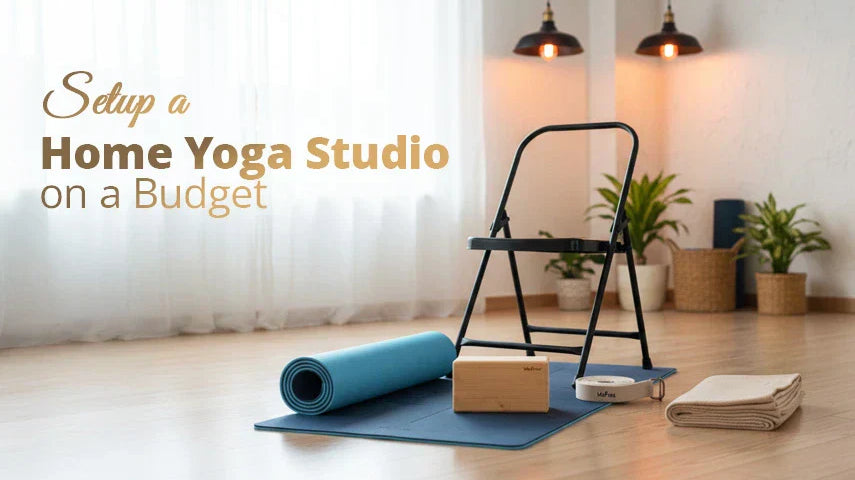
- Yoga Mats: Invest in non-slip and top-quality yoga mats. Stock enough for your maximum class size plus some extras will be needed.
- Yoga Blocks: Blocks are fantastic tools for changing stances and supporting others. Keep lots on hand in several materials like wood, cork, foam as they are versatile props.
- Yoga Belts: Make sure to have several yoga belts as they are perfect for deepening stretches and reaching farther.
- Yoga Bolsters: Restorative yoga depends on soft, supporting bolsters, which also help in many poses to be more comfortable. So don't forget to stock up on the bolsters.
- Yoga Blankets: Yoga Blankets provide warmth, support, and padding. They can be effectively used in several restorative yoga. Make sure to have enough of these as well.
3. Studio Design & Ambience
This is where you bring your vision to life:
- Colour Palette: Go for calming, neutral colours like soft greens, blues, greys, or earthy tones. These help in promoting relaxation and focus.
- Minimalist Approach: Less is often more in a yoga studio. Avoid clutter and focus on clean lines and open spaces.
- Natural Elements: Add plants, natural wood, or stone to bring an organic grounded feel to the space.
- Art & Decor: Choose calming artwork or subtle decorations that inspire peace not distraction. Mandalas or nature-inspired prints works perfect.
4. Lighting and Temperature Control
These often-overlooked elements can make or break the student experience.
Lighting:
- Natural Light: Maximize natural light whenever possible, it's invigorating and creates a positive atmosphere.
- Dimmable Lighting: Essential for different class types. Bright lights for active vinyasa, dim for restorative or meditation. Warm, soft lighting is generally preferred over harsh fluorescents.
Temperature Control:
- Comfort is Key: You want the studio to be comfortable, not too hot, not too cold. A temperature between 20-24°C (68-75°F) is usually ideal for most yoga styles.
- Ventilation: Good airflow is important. Consider fans or AC to keep the air fresh, especially during dynamic classes.
- Humidity: While not always necessary, a humidifier can be nice in very dry climates to keep the air comfortable.
5. Reception and Admin Area
This is your studio's first impression and operational hub.
- Welcoming Desk: A clean, organized reception desk is vital for check-ins, answering questions, and creating a positive first impression.
- Waiting Area: A small, comfortable space for students to wait before class, perhaps with a bench or a few chairs.
- Storage: Make ample storage for mats, props, cleaning supplies, and retail items.
- Point of Sale (POS) System: Create a proper POS for managing memberships, class passes and retail sales effortlessly.
- Computer/Tablet: Make sure to install a computer system/tablet for scheduling, communication, and managing your student database.
- Changing Rooms & Washrooms: Hygiene is important so keep in mind to have clean, well-maintained, and easily accessible washrooms. Include hooks, benches, and full-length mirrors.
6. Marketing Essentials
Once your beautiful studio is ready, you need to tell the world about it!
- Website/Online Presence: A professional website with your class schedule, pricing, teacher bios, and contact info is crucial. Set up social media profiles on Instagram and Facebook.
- Branding: Develop a clear brand identity with logo, colours, and a consistent message that reflects your studio's vibe.
- Photography: Invest in high-quality photos of your space and classes. Visuals are incredibly powerful.
- Launch Promotions: Offer introductory discounts, free classes, or special membership deals to attract your first students.
- Local Partnerships: Collaborate with local businesses like health food stores, gyms, or wellness centres.
- Email Marketing: Start building an email list from day one to keep students informed about new classes, workshops, and promotions.
- Google My Business: Make sure your studio is listed and easily searchable on Google Maps.
7. Legal & Business Considerations
These are vital in starting any business. Don't skip these:
- Business Plan: Even a simple one will help you clarify your vision, target audience, financial projections, and operational strategy.
- Business Registration: Register your business name and entity (sole proprietorship, LLC, etc.) with the relevant authorities.
- Insurance: You will need liability insurance to protect yourself and your business in case of injuries. Also consider property insurance.
- Permits & Licenses: Check with your local municipality for any required permits (e.g., health and safety, building permits).
- Waiver Forms: Make all students sign a waiver before their first class acknowledging the risks of physical activity.
- Pricing Structure: Decide on your class pass options, membership tiers, and drop-in rates. Research what other studios in your area charge.
- Payment Processing: Set up reliable ways to accept payments (online, credit card reader).
- Accounting System: Keep meticulous records of all income and expenses from day one.
- Teacher Contracts (if applicable): If you are hiring other instructors, have clear contracts in place.
Yoga Studio Setup Checklist (Quick Summary)
| Yoga Studio Setup Checklist | What to Check |
| 1. Space Selection | Home or commercial studio, size, natural light, peaceful setting. |
| 2. Yoga Props & Equipment | Mats, blocks, belts, bolsters, blankets. |
| 3. Studio Design & Ambience | Calming colours, minimalist decor, plants, inspirational art. |
| 4. Lighting & Temperature | Natural/dimmable light, ideal temperature (2024°C), ventilation. |
| 5. Reception & Admin | Welcome desk, waiting area, storage, POS system, changing rooms. |
| 6. Marketing Essentials | Website, branding, photography, promotions, social media. |
| 7. Legal & Business Setup | Registration, insurance, permits, waivers, pricing, contracts. |
Conclusion
Although this yoga studio setup checklist seems like a lot to consider, breaking it down into doable phases helps to greatly ease the overall process. Opening a yoga studio is a voyage rather than only a destination. Using this yoga studio setup guide helps you create the basis for a vibrant community where individuals may grow, heal, and connect rather than just a physical place. So, inhale deeply, locate your centre, and get ready to have your own haven of peace and unfold.