
Table of Contents
- Introduction
- Why Balancing Chakras Is Important
- Types of Chakras in the Human Body
- How to Balance Each Chakra
- How Yoga Props Help in Chakra-Balancing Practice
- Daily Chakra-Balancing Routine
- Conclusion
Chakras are energy centers in human body, and they are a fundamental part of many ancient wellness systems from Eastern cultures. Knowing how to recognise your chakras will help you balance them, which can make a big difference in how you feel physically, mentally, emotionally, and spiritually. When the body is functioning at its best (which is characterized by optimal physical health, emotional stability and clear thinking), all the 7 Chakras are open and spinning freely, allowing for the smooth flow of energy throughout the body.
This guide will help you learn about your chakras, why they are important, and provides very easy-to-use methods for balancing yourself every day.
Why Balancing Chakras Is Important
Balancing the 7 chakras in human body is key to holistic health because each one is directly linked to specific organs, glands, emotional states, and psychological traits.
- Physical Ailments: Blocked chakras may show up physically within your body at the chakra's corresponding location. For instance, if you have a problem with your Throat Chakra, then it is likely that you will also experience problems with your thyroid or voice.
- Emotional Well-Being: When your Root and Sacral Chakras are blocked, you are likely to experience feelings of anxiety or insecurity; therefore, by balancing your chakras, you are restoring a sense of stability and emotional flow.
- Mental/Intuitive Awareness: The challenge of balancing the Third Eye and Crown Chakras comes from the fact that they govern both intuition and wisdom. By bringing balance to the higher chakras, one may achieve increased mental clarity, better focus, improved decision-making, and greater clarity regarding one's purpose in life.
-
Relationship Balance: The Heart Chakra serves as the centre of love and compassion, meaning if you cannot connect with your Heart Chakra, then you are unable to form healthy relationships with either yourself or anyone else.
Types of Chakras in the Human Body
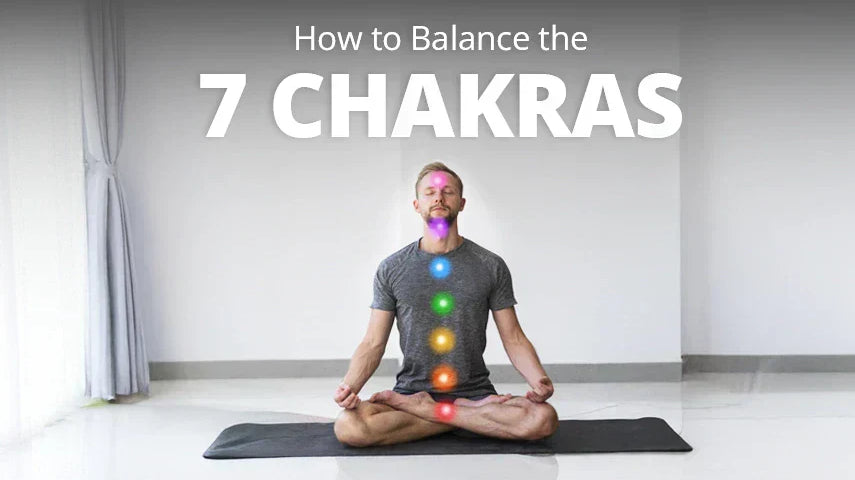
There are 7 chakras, each associated with a colour, location, and fundamental life theme:
|
Chakra Name (Sanskrit) |
Location |
Colour |
Core Theme |
|
Root Chakra (Muladhara) |
Base of the spine, tailbone |
Red |
Survival, Security, Grounding |
|
Sacral Chakra (Svadhisthana) |
Lower abdomen, below the navel |
Orange |
Creativity, Pleasure, Emotion, Flow |
|
Solar Plexus Chakra (Manipura) |
Upper abdomen, stomach area |
Yellow |
Personal Power, Willpower, Confidence |
|
Heart Chakra (Anahata) |
Center of the chest |
Green/Pink |
Love, Compassion, Forgiveness |
|
Throat Chakra (Vishuddha) |
Throat, neck, jaw |
Blue |
Communication, Truth, Self-Expression |
|
Third Eye Chakra (Ajna) |
Center of the forehead, between eyebrows |
Indigo |
Intuition, Wisdom, Inner Sight |
|
Crown Chakra (Sahasrara) |
Top of the head |
Violet/White |
Spiritual Connection, Enlightenment, Consciousness |
How to Balance Each Chakra
Balancing involves addressing both the physical and energetic aspects. Here are simple focus techniques, yoga poses and Mantras for balancing the 7 Chakras:
1. Root Chakra (Foundation)
- Focus: Grounding Exercises. Put your bare feet into the ground or grass.
- Yoga Position: Tadasana or sitting cross-legged.
- Mantra: I am safe; I am grounded.
2. Sacral Chakra (Expansion/Creation)
- Focus: Creative hobbies (painting, dancing) or water (swim, take a bath).
- Yoga Position: Prasarita Padottanasana or Hip Circles.
- Mantra: I accept and embrace change, and I will flow with my feelings.
3. Solar Plexus Chakra (Energy & Strength)
- Focus: Spending time in natural sunlight; use your core muscle through laughter and exercise.
- Yoga Position: Paripurna Navasana or Virabhadrasana.
- Mantra: I am strong; I am capable.
4. Heart Chakra (Love and Compassion)
- Focus: The importance of forgiveness (from yourself & others) and being in nature.
- Yoga Position: Ustrasana or Marjaryasana-Bitilasana to open the chest.
- Mantra: I effortlessly give and receive love.
5. Throat Chakra (Courage to Speak your Truth)
- Focus: Singing in the shower; journaling honest thoughts; and speaking your truth directly but with kindness.
- Yoga Position: Matsyasana or Sarvangasana (with caution for the neck area).
- Mantra: I speak my truth with clarity and grace.
6. Third Eye Chakra (Intuition and Insight)
- Focus: Use meditation, visualization, and dream journaling.
- Yoga Position: A kneeling position with head down on the ground.
- Mantra: My intuition is clear, and I trust my inner self.
7. Crown Chakra (Connection to your Higher Self)
- Focus: Find your higher purpose; use mindfulness and meditation techniques to calm your mind.
- Yoga Position: Either an inverted position (if skilled) or relaxation in corpse pose.
- Mantra: I am connected to the universal energy of divinity.
How Yoga Props Help in Chakra-Balancing Practice
You don't need a fancy studio to do this work. Simple yoga props can make your practice accessible and powerful:
- Using Blocks: You can support your body while establishing a connection to the ground during Downward Dog Pose (Adho Mukho Svasana) posture by using blocks placed on the floor under your feet and hands. This will also provide an opportunity to support a back bend with the addition of a block under your shoulder blades, creating a gentle release (or opened) heart chakra.
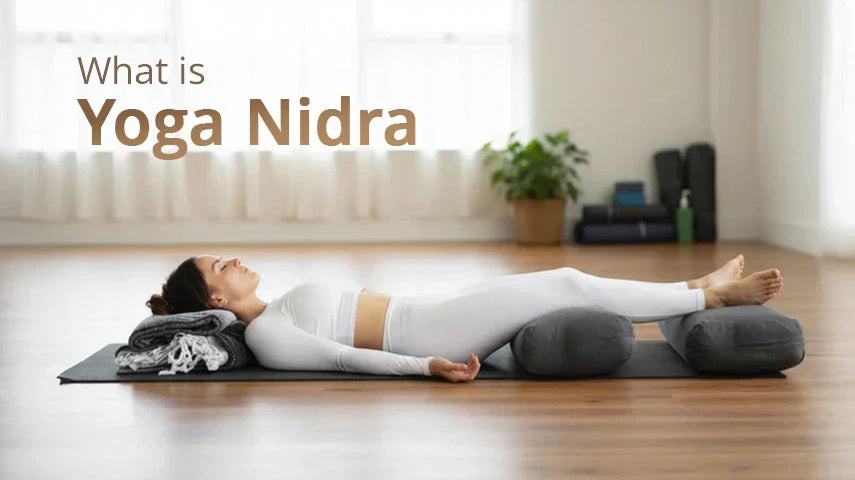
- Using Bolsters: Using bolsters in Child’s Pose (Balasana) you can enjoy an opportunity to fully relax using bolster under your forehead to calm and soothe your mind. Bolsters under your knees in Corpse Pose (Svanasana) create a relaxing position to readjust your body with a more complete inversion of your body; thus, allowing for complete relaxation of all chakras.
- Using Belts: It will provide an opportunity to open and stretch your chest and shoulders by holding one end of the belt in either hand while seated so you can pull on the strap for more opening, thus releasing the tension from your throat and heart chakras.
Daily Chakra-Balancing Routine
Consistency is everything. Try this simple 15-minute routine:
- To ground yourself (for five minutes): Find a comfortable place to sit quietly and visualize a strong, thick red cord that is attached to your tailbone, running deep into the Earth (this is called the Root Chakra). Try to take slow and deep breaths 10 times.
- To flow (for five minutes): Move your hips gently side to side and do some gentle Cat-Cow poses, concentrating on flowing through the spine with your breath (the Sacral and Solar Plexus chakras).
- To open (for five minutes): Place a rolled-up blanket or bolster horizontally at your shoulder blades and lie back. Position your arms out to the sides like a big letter "T" (the Heart Chakra). You will remain here for three of your chosen Mantras for any of your chakras that you feel needs attention most.
Conclusion
The 7 Chakras in human body is not merely abstract; these energy centres represent the core of your life! When you learn more about each chakra and how they can connect, you will be starting on the road toward finding a more complete sense of well-being and happiness during this lifetime.
To begin the process of building a firm foundation of feeling secure in your own body, consider starting with your Primary Chakra, also known as the Root Chakra. However, if you want to create more love in your life, then work with your Heart Chakra.
Begin your journey now by learning to be aware of the natural rhythm of your energy and balance all aspects of your life to gain greater power and health.