
Table of Contents
- Introduction
- What Are Yoga Blocks?
- What Are Yoga Bolsters?
- Yoga Blocks vs Yoga Bolsters - Comparison Table
- Which One Should You Choose?
- Conclusion
In the world of yoga, blocks and bolsters are not just for beginners. They are wonderful props that can enhance your practice, refine your alignment, and make many of the poses easier and more comfortable. Blocks and bolsters allow us to add support for our bodies, but they have different purposes and are used differently. Blocks provide firm and steady support for many poses, while bolsters provide soft, cushioned support, suitable for restorative and gentle styles of yoga. In this yoga blocks vs yoga bolsters guide we will outline the specific characteristics and advantages of each prop, so you will feel confident about making the right choice to support your practice.
What Are Yoga Blocks?
A yoga block is a dense, rectangular yoga prop, commonly made of foam, cork, or wood. Blocks are used to create more variety of height, providing a stable and consistent source of support that aids in a yogi's alignment, balance, and stability. They are one of the most versatile and popular props in yoga.
Types of Yoga Blocks
- Foam Blocks: The most popular and lightest kind of block is foam. They are comfortable for knee or head support because they are soft to the touch.
- Cork Blocks: More stable and firm than foam blocks, cork is denser and heavier. They have a natural, grippy texture and are an environmentally friendly choice.
- Wooden Blocks: The heaviest and firmest blocks are wood. They are great for advanced practitioners who require the most stability and offer unwavering support.
Uses of Yoga Blocks
The main purpose of yoga blocks is to help you get closer to the floor. When standing, you can place them under your hands to keep your back from rounding, when sitting, you can place them under your hips to sit taller, or under your head for support in restorative poses. They are crucial for adapting poses to the current range of motion and flexibility of your body.
Benefits of Using Blocks in Yoga
- Better Alignment: By keeping you from slouching or overstretching to get to the floor, blocks help you maintain good form.
- Enhances Stability: To gain balance in difficult poses, place a block beneath your hand or foot.
- Greater Accessibility: They make difficult poses more accessible to those with limited flexibility, allowing you to build strength and confidence safely.
- Deeper Stretches: By raising a portion of your body, blocks can be used to make a stretch more intense.
Best Yoga Poses to Use Blocks
- Trikonasana (Triangle Pose): Place a block under your lower hand to keep your spine long and avoid collapsing into the pose.
- Ardha Chandrasana (Half Moon Pose): Use a block under your lower hand for support to help with balance.
- Paschimottanasana (Seated Forward Bend): Place a block under your seat to tilt your pelvis forward, making it easier to lengthen your spine.
- Setu Bandhasana (Bridge Pose): Place a block under your sacrum for a supported, restorative backbend.
What Are Yoga Bolsters?
A bolster is a cylindrical or rectangular cushion with some firmness but soft enough to be supportive. Bolsters are used in restorative, yin, and prenatal yoga to support the body, resting deeply to allow the muscles to totally release and relax. Bolsters primarily exist to create a supported, restful place for the body to restore and rejuvenate.
Types of Yoga Bolsters
- Cylindrical Bolster: The classic round bolster, these bolsters are great for resting the length of your spine for restorative backbends like Setu Bandha Sarvangasana, or for propping your knees up in Savasana.
- Rectangular Bolster: Also called a "flat bolster," these provide a larger and more stable resting area. These bolsters are nice in seated, supported poses or propped under the chest to open the shoulders.
- Mini Bolsters: Mini cylindrical bolsters are perfect for supporting small areas under the neck, wrists, or ankles.
Uses of Yoga Bolsters
Bolsters are used to create ease and comfort to support poses that are held for longer periods of time, allowing the body to be gently supported to ease into a pose without any mental effort. They are especially useful for holding deep stretches and calming the nervous system.
Benefits of Using Bolsters in Yoga
- Deep Relaxation: A bolster provides gentle support for your back, helping you calm your mind and body and allowing you to relax and release tension.
- Restorative Practice: Bolsters are the essential support for restorative yoga postures where you are comfortable enough to hold them for several minutes and gain the benefits of the alignment, support and stillness.
- Spinal Support: Bolsters can be placed behind your spine in poses, such as a supported backbend, allowing the vertebrae to decompress and circulation to rejuvenate your body and refresh your mind.
- Improves Comfort: Bolsters make challenging postures gentler and more restful such as a Seated Forward Bend (Paschimottanasana).
Best Yoga Poses to Use Bolsters
- Viparita Karani (Legs-Up-the-Wall Pose): Place a bolster under your hips to elevate them, making the pose more restorative.
- Supta Baddha Konasana (Reclined Bound Angle Pose): Place a bolster lengthwise behind you to support your back and open your chest and shoulders.
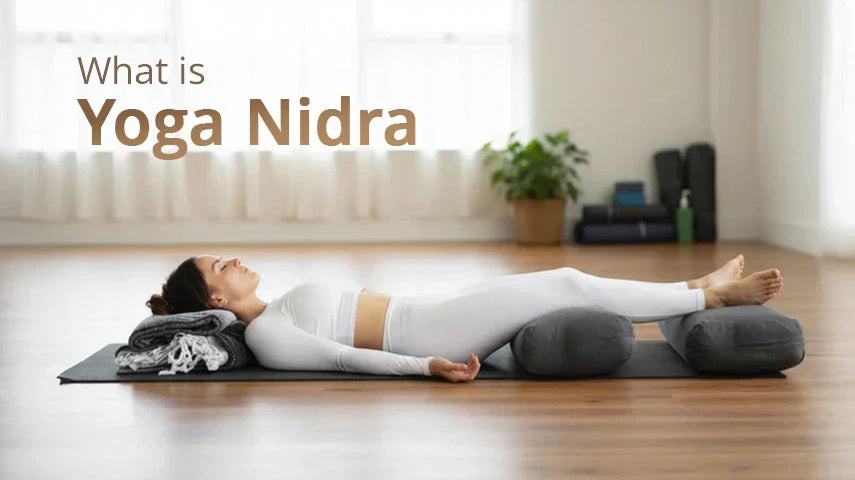
- Savasana (Corpse Pose): Place a bolster under your knees to release tension in your lower back.
- Balasana (Child's Pose): Place a bolster between your legs to rest your torso on, allowing for a more comfortable and supportive resting pose.
Yoga Blocks vs Yoga Bolsters - Comparison Table
Here are the differences between yoga blocks and yoga bolsters.
| Feature | Yoga Blocks | Yoga Bolsters |
| Purpose | To extend reach and provide firm stability. | To provide soft support and promote relaxation. |
| Texture | Firm and dense (foam, cork, wood). | Soft and cushioned (cotton, foam) |
| Primary Use | Adjusting alignment, improving balance. | Restorative yoga, deep stretching and comfort. |
| Weight | Generally light to moderate. | Moderate to heavy. |
| Feeling | Stabilising and grounding. | Gentle and supportive. |
| Best For | Standing poses and balance. | Relaxing poses, seated meditation, restorative practice. |
Which One Should You Choose?
The choice between yoga blocks vs yoga bolsters depends on several factors, including your body type, your current level of practice, and the style of yoga you enjoy.
- Body Type and Flexibility: For those who have tighter hamstrings, or a shorter torso, using yoga blocks to keep the Standing Forward Bend or Seated Twists more accessible, will be useful! If you have a larger body or need a bigger surface area for support, a bolster is beneficial for a wider and more comfortable base.
- Level of Practice: Typically, if you are a beginner and want to build a solid foundation, blocks can be helpful, and learning alignment without straining the body is extremely useful. If you are more advanced, blocks can be used for exploring deeper variations of a pose. Bolsters can be helpful for all levels of practitioners but are especially useful for those who want to focus on restorative or meditative aspects of practice.
- Preferred Yoga Style: If you primarily practice the active styles of Yoga (Vinyasa, Hatha, Ashtanga), a set of blocks will be the prop you use the most, as they offer assistance for multiple poses. On the other hand, if you gravitate towards gentle styles of Yoga (gentle, yin, restorative), a bolster is likely to be the most valuable prop for creating a deeply relaxing experience.
Conclusion
This yoga blocks vs yoga bolsters is an informative guide to help you choose between two amazing tools for any yoga practice. Blocks are fantastic for providing stability, learning proper alignment, and making active poses more accessible, while bolsters are more specialised for feeling a comfortable sense of support, encouraging deep relaxation, and restoring the body. Both props are not better than the other as they serve different purposes. Understanding the purposes of yoga blocks and bolsters and your own personal needs, you will feel comfortable choosing between the two props for your practice in order deepen your practice, avoid injury, and feel more comfortable and ease in every pose.