
Table of Contents
- Introduction
- What is Pilates?
- What is Yoga?
- Pilates Vs Yoga: Key Differences
- Benefits of Pilates for Body Goals
- Benefits of Yoga for Body Goals
- Conclusion
As society increasingly turns to holistic health practices in their interest for better physical and mental health, the age-old and ever-changing practices of Yoga and Pilates have flourished in popularity. Despite many variations between the original styles, values, and goals of traditional Yoga and Pilates, they do, both prioritize strength, mobility, flexibility and mindfulness in practice. The two styles are now on the rise that had developed out of a global movement towards more holistic health methods, where many people felt the effects of movement daily and therefore are continuing to look for better ways to move their bodies. Here we will break down about Pilates vs Yoga and a few suggestions on how to potentially fit into your body goals. We hope that you can make an informed decision on what is best for you.
What is Pilates?
Pilates is a method of exercise to strengthen the "Powerhouse" of the body, the abdomen, lower back, hips, and buttocks. Pilates emphasizes the fundamentals of concentration, control, flowing movement, precision, and breathing. Pilates teaches core strength, flexibility, balance, and coordination. It stresses the importance of establishing a strong base of support for movement, for good posture, and to avoid injuries. Instead of high impact, repetitive movements, Pilates focuses on controlled precision, involving deep stabilising muscles.
Pilates can be broadly categorized into two main types:
- Mat Pilates: This type of Pilates is comprised of exercises performed on a mat using your own body weight, and occasionally some small props like resistance bands.
- Reformer Pilates (or any other equipment-based Pilates): This type of Pilates refers to Pilates using equipment such as the Reformer, Cadillac, Wunda Chair, and Ladder Barrel. These equipment can offer resistance and assistance with the use of springs and pulleys resulting in more exercises and body control.
What is Yoga?
Yoga, an ancient practice that was developed in India well over 5,000 years ago is a full practice, which includes physical postures (asanas), breathing (pranayama), meditation and ethical principles. Yoga is much more than a type of exercise; it is a philosophical system to unite mind, body and spirit together towards achieving peace and self-realization. The emphasis of Yoga can be anything; physical flexibility, strength, balance, endurance, mental clarity, stress reduction, emotional awareness and so on. There are a multitude of ways to practice Yoga; each one can include different emphases, but each one has the same objective of finding a harmonious relationship with the self to the outside world.
There are many different types of Yoga, each with their own benefits:
- Hatha Yoga: The generic term for any type of yoga that teaches postures. In general, it's a gentle and slow form of yoga that is good for beginners.
- Vinyasa Yoga: A type of yoga of flow with series of poses that flow beautifully with the breath. Vinyasa is often more dynamic than Hatha and may require a sequence of two or more asanas, often sun salutations, in flow.
- Ashtanga Yoga: A heavy style of vigorous and challenging yoga always performed in the same order.
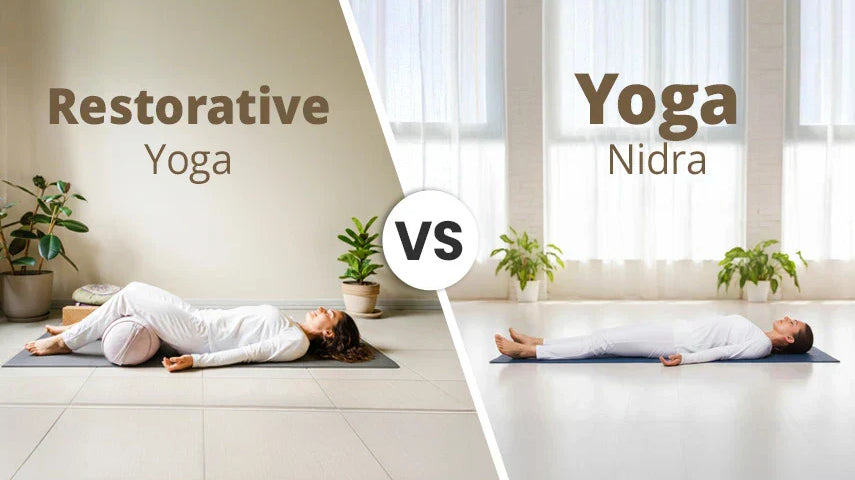
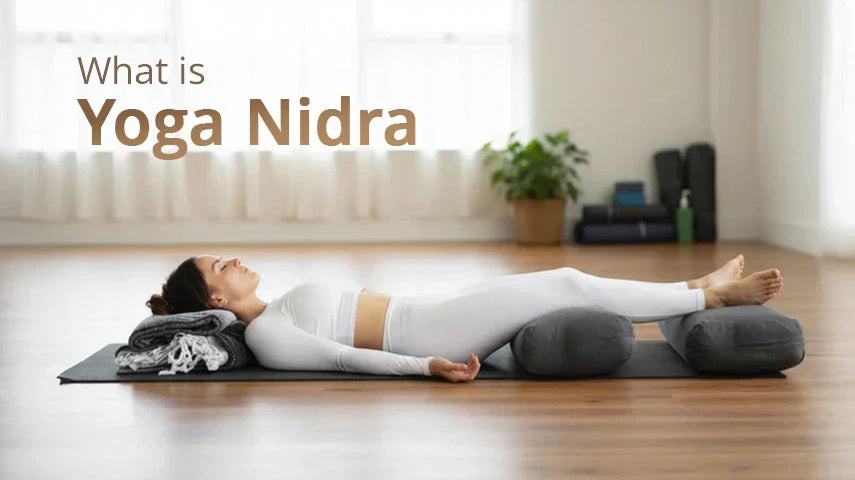
- Restorative Yoga: A style of yoga that focuses the entire experience on relaxation and restful positions. The positions may be passive stretches, using props to so that the body is fully supported, promoting completely passive relaxation.
- Yin Yoga: A style of yoga that targets deep connective tissue (ligament, joints, bone). Yin yoga requires less muscular strength in passive poses to holds for longer periods of time.
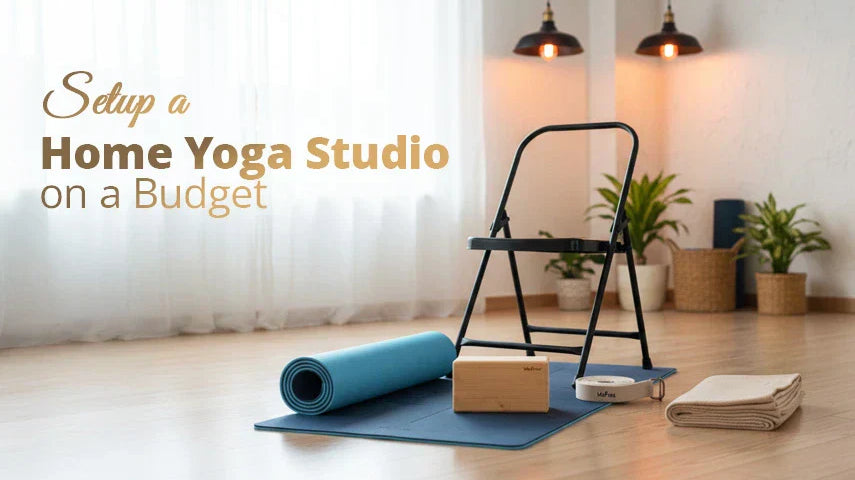
Some of the common Yoga props are blocks, belts, blankets and bolsters to name a few. Props allow students to support and deepen poses, making yoga accessible to more practitioners. They also help students improve alignment and to relieve strain so that the student can experience in-depth stretching and its full benefits.
Pilates Vs Yoga: Key Differences
To understand it better here is a comparison table stating the differences between Pilates and Yoga
| Feature | Pilates | Yoga |
| Origin | Early 20th Century, Joseph Pilates | Ancient India (over 5,000 years ago) |
| Primary Focus | Core strength, precise movements, body conditioning, rehabilitation | Mind-body connection, flexibility, spiritual growth, holistic well-being |
| Philosophy | To have Physical control, prevent injuries, strengthen the muscles | To achieve the union of mind, body, spirit; bring spiritual discipline |
| Movement Style | Controlled, precise, repetitive; often equipment-based | Flowing (Vinyasa), sustained holds (Hatha), meditative (Restorative) |
| Breathing | Lateral breathing, abdomen flat and engaged | Various pranayama techniques, integrated with movement and meditation |
| Equipment/Props | Specialized machines (Reformer, Cadillac), small props | Blocks, belts, bolsters, blankets |
| Spiritual Aspect | Minimal; primarily physical benefits | Significant emphasis on mindfulness, meditation, spiritual growth |
Benefits of Pilates for Body Goals
Pilates provides a focused way of accomplishing a variety of body objectives, which is what makes it a great option for people looking for a specific body change:
- Stronger Core and Abdominals: Pilates builds a strong, sculpted core. This can lead to a flatter stomach, better posture, and relief from back pain.
- Improves Posture and Alignment: Pilates strengthens deeper postural muscles. This helps correct muscle imbalances and slouching, making you feel taller and more confident.
- Improves Flexibility and Mobility: The controlled movements in Pilates increase your joint’s range of motion and lengthen muscles, boosting flexibility.
- Injury Prevention and Rehabilitation: The focus on detail and precise movements, with strengthening muscles supporting the primary movers, helps prevent common injuries and aids in recovery.
Benefits of Yoga for Body Goals
Yoga's holistic nature provides a wide array of benefits that contribute to diverse body goals, often intertwined with mental and emotional well-being:
- Increases Flexibility and Range of Motion: Yoga stretches the muscles, which helps improve flexibility in your joints that you can't achieve through other exercises.
- Stress Reduction and Mental Clarity: The breathwork and mindfulness used in yoga poses help lower stress hormones. Reduced stress hormone levels may indirectly support body goals by preventing weight gain from stress and promoting better sleep.
- Improves Posture and Body Awareness: Practicing yoga increases your awareness of your body, resulting in better posture and alignment.
- Improves Digestion and Circulation: Certain poses, like Bharadvaja’s Twist (Bharadvajasana), Half Lord of the Fishes Pose (Ardha Matsyendrasana) are known to stimulate the digestive organs, while breathing exercises enhance blood circulation. Together, these factors contribute to better overall health.
Conclusion
Both Pilates and Yoga offer many benefits for your body and mind, making them great choices for improving your physical health. Pilates focuses on specific physical conditioning and rehabilitation through core strength training and controlled movement. Yoga, on the other hand, is not just a practice of movement; it is also a broader philosophy. Yoga includes physical movements, or asanas, along with breath work and meditation. It promotes flexibility, functional strength, stress relief, and the connection of mind and body. Ultimately, the best practice for you depends on your personal physical development goals and preferences.