Table of Contents
- Introduction
- Top Benefits of Using Foam Yoga Blocks
- Tips for Getting the Most Out of Your Foam Yoga Block
- Conclusion
Foam Yoga Blocks are super useful tools that will simplify and increase the efficacy of your yoga practice. Foam yoga blocks are made of EVA foam or a lightweight, soft material. These blocks have a very smooth texture. They have a squishy and airy feel to them, making them comfortable and easy to use.
Although yoga blocks are made of other materials such as cork or wood but foam yoga blocks have certain features which are beneficial for beginners and experienced alike. Here we will discuss benefits of using foam yoga blocks and for all the good reasons that they are a popular choice.
Top Benefits of Using Foam Yoga Blocks

Now that we know what they are, let's dive into all the wonderful foam yoga blocks benefits that can enhance your practice:
- Portable and Lightweight: Foam yoga blocks are quite light and portable. For those who like to practice yoga in studios or carry yoga blocks with them on travel, it is thus handy.
- Comfort and Softness: Foam yoga block is easy to practice since its soft cushioning foam. It helps in postures when the block is pushed against the body.
- Affordability: One can choose reasonably priced foam yoga blocks. They are totally apt for beginners who are eager to try and find what suits them.
- Diversity of Sizes and Colours: Given their aesthetic and practice requirements, foam blocks come in several sizes and colours.
- Perfect for Sensitive Joints: Foam blocks are a fantastic choice for sensitive joints since their softer surface provides more cushioning. Blocks can be used to support your head, neck, or hips in restorative or calming postures, therefore giving a pleasant cushion that lets you really relax and release tension.
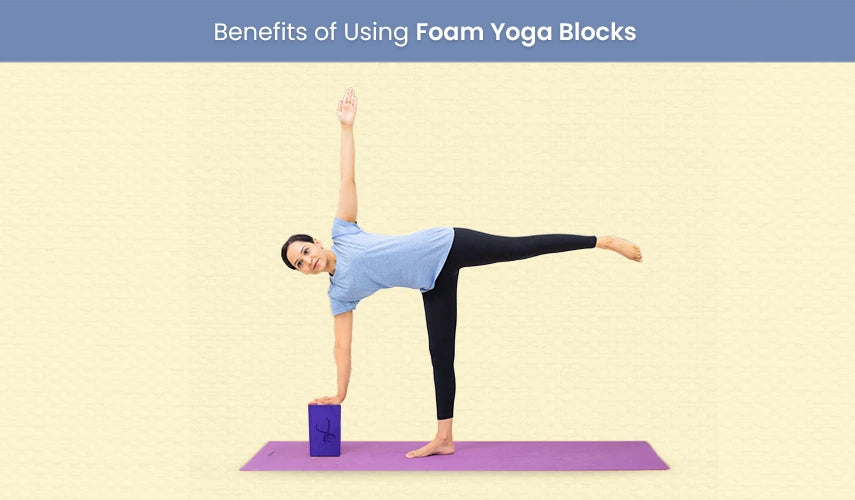
- Deep Stretches: One can relax and go with greater confidence into the stretch poses like Balasana (Child's Pose), Uttanasana (Standing Forward Bend Pose), Ardhachandrasana (Half-Moon Pose) with a block. This enables your muscles to lengthen more gradually, therefore increasing your flexibility.
- Enhances Alignment: Blocks might allow you to grasp the proper posture of your body. In some postures, for instance Tadasana (Mountain Pose), putting a block between your thighs will assist you maintain appropriate alignment of your legs and activate the correct muscles.
- Adds Balance and Stability: A foam block will provide a strong and stable base to rely on or press into if you find yourself unstable in balancing postures like Tadasana (Mountain Pose) or Utkatasana (Chair Pose). Therefore, they increase your safety and enable you to hold the pose longer.
- Excellent for Every Level: Foam blocks are helpful regardless of your level of yoga experience, be it just beginning or years of practice. While expert yogis explore deeper variants and hone their technique, beginners use them to make positions approachable.
Tips for Getting the Most Out of Your Foam Yoga Block
Here are some practical tips to help you integrate it seamlessly into your yoga practice and reap all foam yoga blocks benefits:
- Support You in Difficult Poses: The block helps you keep better alignment in your hamstrings and spine, therefore increasing the accessibility and safety of the posture. In seated postures such as Baddha Konasana (Bound Angle Pose), putting blocks beneath your knees might offer mild support, therefore enabling your hips to open more naturally without strain.
- Modify the Height: Foam blocks provide amazing flexibility. Start with the block on its highest side, if you have tighter hamstrings or are a novice. As you advance, this lets you progressively deepen your poses and find just the correct level of support for your body in poses like Uthita Trikonasana (Triangle Pose) or Parivrtta Sukhasana (Seated Twists).
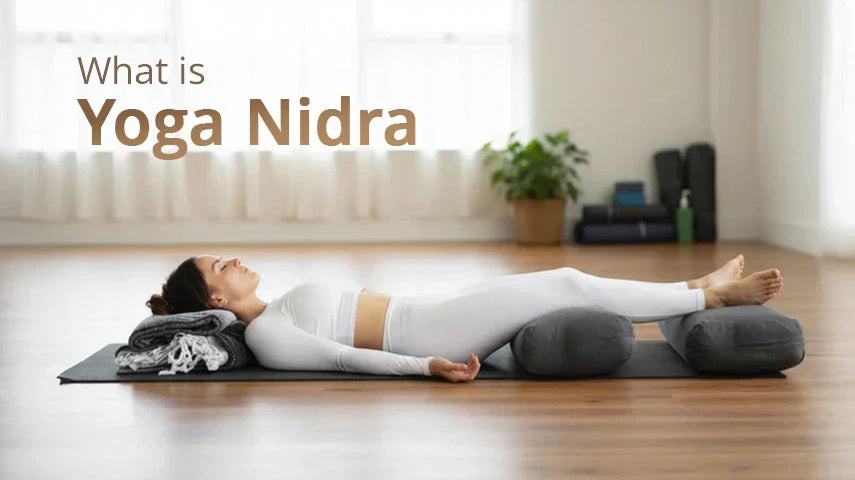
- Include it into Restoring Practice: The foam block offers gentle support in restorative poses that lets your body totally release tension. Placing a block under each leg or under your upper back, for instance, in Supta Baddha Konasana (Reclined Bound Angle Pose) will promote greater hip and chest relaxation.
- Strengthen and deepen stretches: Blocks can enable you to deepen stretches in unexpected ways and develop strength. In poses like Setu Bandhasana (Bridge Pose), Utkatasana (Chair Pose), Tadasana (Mountain Pose) & Uttanasana (Standing Forward Bend Pose) try pressing a block between your thighs. This helps to engage your core and works your inner thigh muscles.
- Be Aware of Placement: Before you start to use the block, always make sure it is set on a solid, non-slip surface. Take time to make sure the block is aligned and in line with your body's natural form. Always give your safety top priority.
Conclusion
Foam yoga blocks are perfect and useful equipment that will change your yoga practice. Their unusual mix of comfort, lightness, and supporting features distinguishes them from other kinds of blocks. Foam blocks can help you reach your objectives whether your aims are simple modification for maximum comfort, an expert yogi trying for deeper stretches, or a total novice wanting additional support. There are several benefits of using foam yoga blocks so pick a pair, try anything, and enjoy the several advantages they offer for your path on the mat!