
Table of Contents
- Introduction
- Cotton Yoga T-Shirts
- Synthetic Yoga T-Shirts
- Cotton Yoga T-Shirt vs Synthetic Yoga T-Shirt: Key Differences
- Conclusion
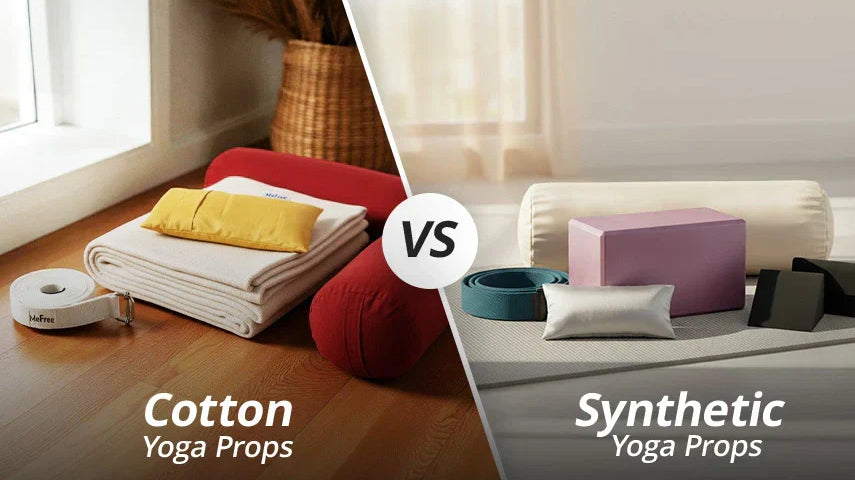
Achieving best performance and peace of mind in yoga depends on comfort, flexibility, breathability, and ease. Your outfit plays a crucial role in a successful yoga session. A well-selected yoga T-shirt enhances breathability, controls perspiration, and aids in body temperature regulation in addition to matching your movements. Among the several materials used in yoga T-shirts- synthetic and cotton ones are the most often used ones. Which, though, would be most appropriate for your circumstances? Examining how each fabric affects comfort, breathability, durability, and general performance during yoga, in this guide, we will explore a thorough comparison of Cotton Yoga T-Shirt vs Synthetic Yoga T-Shirt. Knowing these qualities of these materials will enable you to make a wise choice and improve your yoga practice.
Cotton Yoga T-Shirts
Cotton is a natural fibre that has long been a popular choice for casual and athletic wear. Here’s a closer look at why many yogis choose cotton yoga T-shirts:
1. Comfort:
For slow-moving or moderate yoga forms like Hatha Yoga, cotton is rather soft and mild on the skin. Those with sensitive skin or allergies will find the smooth texture perfect.
2. Breathability:
Cotton is a quite breathable fabric. It lets air flow and helps the body stay cool throughout practice. In quiet, moderate-temperature yoga settings especially this is helpful.
3. Moisture Absorption:
Cotton is renowned for its absorbent properties; it soaks up sweat effectively. This can, nevertheless, have advantages as well as drawbacks. Cotton does not dry rapidly, even if it pulls sweat off your skin. A cotton yoga T-shirt can become heavy, clammy, and clinging once saturated, which would be unpleasant during a hot workout.
4. Eco-Friendliness:
Being a natural fibre, cotton is biodegradable and often more eco-friendly than synthetic alternatives, especially when sourced organically. It appeals to environmentally conscious consumers who want sustainable yoga apparel.
5. Maintenance:
Cotton T-shirts are generally easy to care for, though they may shrink after the first few washings or they can fade or lose their shape over time.
Synthetic Yoga T-Shirts
Polyester, nylon and spandex are synthetic materials designed for performance. The Man-made fibre is designed for performance. Synthetic yoga T-shirts are utilized extensively in high-intensity yoga practices for the following reasons:
1. Moisture-Wicking:
Synthetic materials are better than cotton at wicking moisture away from the skin and spreading it over a greater surface area, where it can evaporate rapidly. This maintains your comfort and dryness even during vigorous Vinyasa flows or hot yoga.
2. Lightweight and Flexible:
Synthetic yoga T-shirts provide great range of movement and are usually lightweight and stretchy. They are perfect for dynamic and quick paced yoga forms since they fit the movements of your body.
3. Quick-Drying:
If you're transferring from one class to another or practicing outside in humid surroundings, this is a major advantage since these fabrics dry far faster than cotton.
4. Durability:
Synthetic materials are meant to resist wear, cleaning, and normal stretching. Under like conditions, they maintain their shape, fight wrinkles, and usually last longer than cotton.
5. Odor Resistance:
Particularly beneficial when sweating a lot is some synthetic materials equipped with antibacterial treatments to fight odour-causing microorganisms. Some yogis, however, discover that synthetic clothes eventually start to smell even with regular washing.
6. Environmental Impact:
Usually derived from petroleum-based chemicals, synthetic fabrics are not biodegradable. Although some companies now provide recycled polyester choices, they nevertheless raise environmental questions when weighed against natural fibres like cotton.
Cotton Yoga T-Shirt vs Synthetic Yoga T-Shirt: Key Differences
| Features | Cotton Yoga T-Shirt | Synthetic Yoga T-Shirt |
| Material | Natural fibre (cotton). | Man-made fibres (polyester, spandex, nylon). |
| Comfort | Soft, breathable and skin-friendly. | Lightweight and stretchy. |
| Moisture Management | Absorbs moisture but dries slowly. | Wicks moisture and dries quickly. |
| Suitability | Best for low-intensity or restorative yoga. | Ideal for high-intensity, hot, or power yoga. |
| Durability | Moderate; can fade or shrink with time. | High; retains shape and colour with regular use. |
| Eco-Friendliness | Biodegradable, especially organic cotton. | Less eco-friendly, though recycled options exist. |
| Odor Resistance | Naturally odour neutral. | Often treated for odour resistance but may retain smells. |
| Cost | Generally affordable. | Can vary; high-performance synthetics may be pricier. |
| Care Instructions | Simple to wash but may require line drying. | Easy care, usually machine-washable and quick to dry |
Conclusion
Both cotton and synthetic yoga T-shirts have their own unique advantages and limitations, and the right choice ultimately depends on your personal needs, yoga style, and lifestyle.
- If you mostly practice slow-paced or mild yoga and value natural materials, comfort, and breathability, a cotton yoga T-shirt could be the ideal suit. This traditional, environmentally friendly choice fits a conscious yoga mindset and feels great on the skin.
- Conversely, if you participate in vigorous, sweaty yoga classes such as Vinyasa, you might want a synthetic yoga T-shirt for its sturdy, quick-drying, moisture-wicking properties. Designed especially for performance, these T-shirts will help you remain cool and comfortable even throughout demanding exercises.
The best way is to own both kinds of material, synthetic gear for high-performance sessions and cotton for your restorative and slow-flow practices. Knowing the fabric qualities and how they fit your practice will help you to make a wise choice that improves your whole yoga path. After all, you are free to concentrate on what truly counts which is your breath, your flow and your inner peace.