
Table of Contents
- Introduction
- Benefits of Using a Knee Wedge in Yoga Practice
- Who Should Use a Knee Wedge?
- Conclusion
A knee wedge is a portable, beneficial tool made of pinewood, and it is just what its name implies, a wedge placed under your knees. The knee wedge will assist you in a multitude of ways in your yoga practice. It is the slanting shape that helps you to remain stable and offer places of refinement angles. The wedge may also help alleviate joint pain. Pinewood wedges are firmer and more supportive making them better for standing poses.
Many teachers and therapists now recommend using a knee wedge, especially in restorative, therapeutic, or beginner-friendly yoga sessions. It is an easy way to adjust poses, deepen stretches, and ensure that your body feels aligned while practicing. As more people understand the importance of body mechanics and mindful movement, props like the knee wedge are becoming essential tools in yoga practice. Here we will talk about the various benefits of using a Knee Wedge in yoga practice.
Benefits of Using a Knee Wedge in Yoga Practice
The knee wedge offers several benefits, especially for those who want to practice safely without compromising comfort or posture. Here are some of the Knee wedge benefits:

1. Additional Support
Offering extra support is one of the most significant benefits of using a knee wedge. When applied to poses where the knees are bent or extended, some students may feel pressure and discomfort. The wedge mitigates this by offering a joint cushion and distributing the weight, thus alleviating joint stress.
2. Helps with Alignment
Alignment is essential for a safe yoga practice. A wedge can assist in helping align the knees with the hips and ankles, particularly in poses such as Virasana (Hero Pose) and Supta Virasana (Reclining Hero Pose). When properly aligned, the risk of injury is minimized, and the benefits will be enhanced.
3. Reduce Discomfort and Pain Relief
People with arthritis, joint stiffness, or knee pain will appreciate the cushioning aspect of the wedge. It reduces pressure points to help the practitioner remain in poses longer and reduces discomfort.
4. Increase Flexibility and Strength
A wedge will support the joint while allowing it to gently move through deeper stretches. This may be beneficial for those working progressively on flexibility, as they will feel more secure before safely extending.
5. Encourages Relaxation
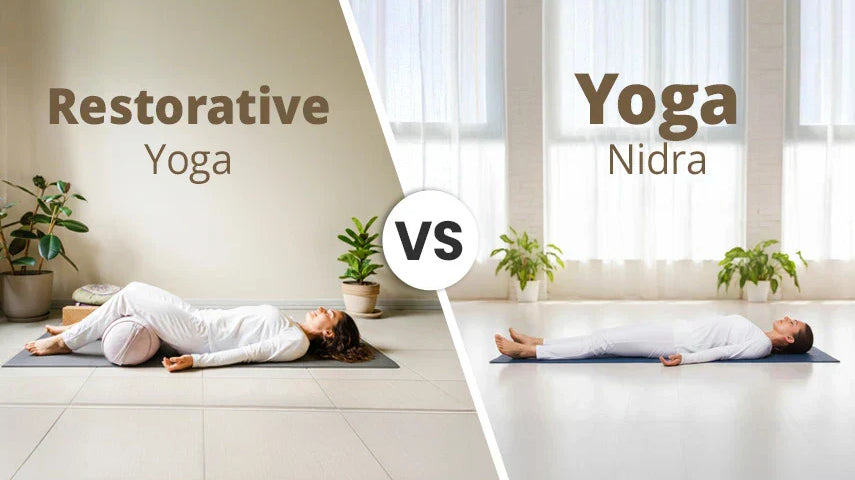
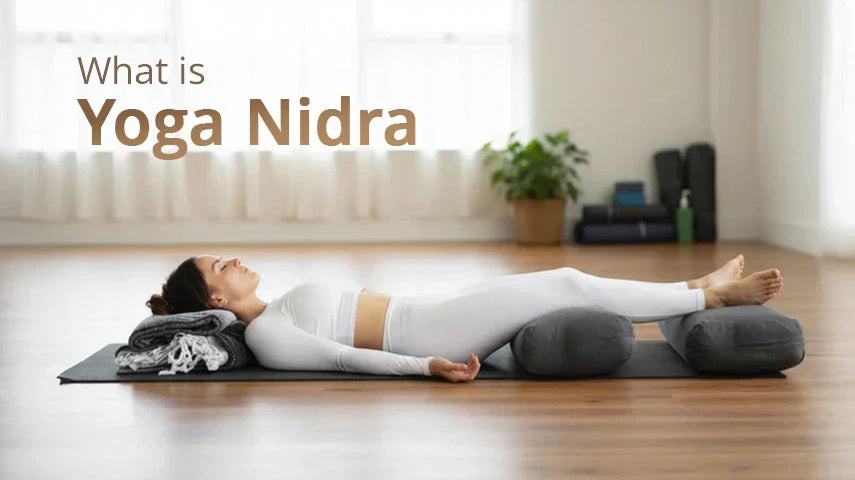
Restorative yoga focuses on relaxation, healing, and stress relief through practices that call for stillness. The knee wedge offers a stable, comfortable base for these poses, allowing practitioners to release all tension and fully immerse themselves in their breath and inner experience.
6. Aids in Injury Rehabilitation
If you've had a knee injury or surgery, a wedge gives you enough cushion to perform easy movements without further irritation to the injury. You'll also have joint stability and be able to take slow and mindful steps.
7. Makes Yoga Available to Everyone
Not everyone has the same mobility, strength, or endurance. The knee wedge provides support for all ages and abilities to practice yoga, including restorative yoga without discomfort or fear of injury.
Who Should Use a Knee Wedge?
A knee wedge can be beneficial to a wide variety of yoga practitioners. Below are some examples of who should consider using it:
- Inexperienced Individuals: Those who are new to yoga may find that they struggle with poses which ask for a deep bend in the knees, or a position that has weight bearing on the knees. A knee wedge will help them to explore the poses safely, whilst building strength and confidence.
- Individuals with Knee Pain or Injury: Individuals that have knee injuries or chronic conditions (like arthritis, bursitis, or ligament issues) or recovering from surgery may find a knee wedge useful. It provides some cushioning and alleviates knee pressure. It offers support for individuals to practice without risk of aggravating pain.
- Elderly Practitioners: Older adults generally lose flexibility and strength in their joints as they age, making it difficult to hold yoga poses. The wedge provides comfort and support so that older adults can practice yoga with less risk of engaging muscles beyond their capabilities.
- Practitioners of Restorative Yoga: With restorative type practices (to promote relaxation and gentle stretching), these individuals can use the wedges to support certain yoga poses in a comfortable way while meditating, paying attention to breath, and being mindful.
- Athletes or Those Who Enjoy Being Active: It's amazing how even people with healthy knees, while showing continuous improvement or restoration in flexibility, may still struggle to rest or hold a yoga pose. Wedges assist in promoting and ensuring safe alignment and proper posture while getting into or holding a pose.
- Yoga Teacher or Yoga Therapist: For yoga teachers working with groups or individual clients and children with various needs and complexity, the knee wedge can offer a practical prop to help support and adapt to the specific level of ability and to support safely in exerting effort or weight into a pose.
Conclusion
The knee wedge is an impactful prop that alters the way individuals engage in yoga. It encourages alignment, decreases tension, and invites everyone to practice any yoga style regardless of experience or physical ability. Using a knee wedge to support your practice begins to build a safe space to move, stretch, and breathe in mindful movement. The knee wedge offers a thoughtful exploration to practice safe and mindful yoga for novice practitioners, older adults, recoverees of an injury can benefit from mindful exploration.
As more awareness around benefits of using a Knee Wedge grows, props like this will be more visible in yoga studios and practices at home. Involving a supportive prop like the knee wedge can protect your body and overall experience in yoga practice, all while exploring what it feels like to truly experience the benefits of yoga in everyday life.
You can add a knee wedge and support your practice today and discover how minor changes can enhance your stretches, movement, body comfort and alignment.