
Yoga Knee Props



Yoga Knee Props: A Little Extra Support for Your Practice
If you've ever had to adjust your position because your knees felt uncomfortable on the floor, you'll know how distracting it can be. Some yoga poses involve kneeling for a while, and even a yoga mat may not provide enough cushioning. Yoga knee props can help by giving your knees some extra support during these movements.
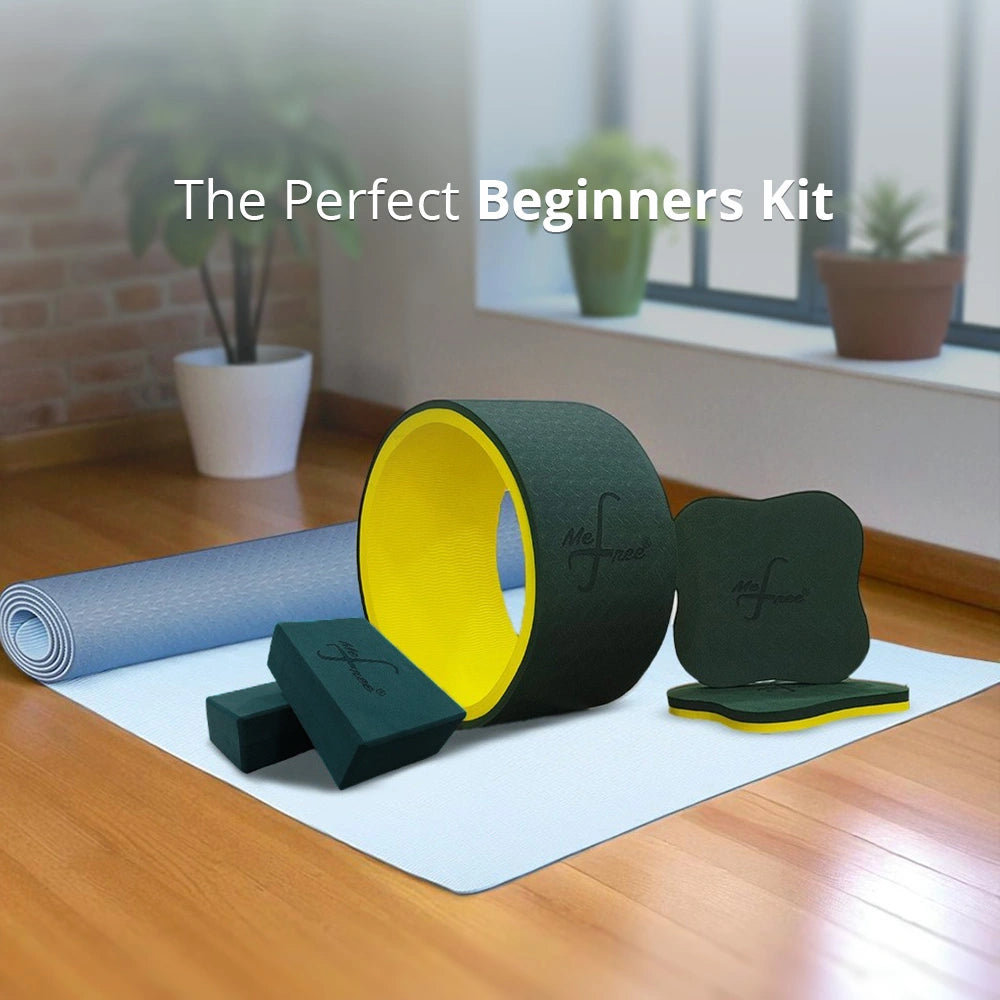
At MeFree, you'll find both cushioned knee pads and wooden knee wedges. They serve different purposes, so the right choice depends on the kind of support you're looking for. Whether you practise yoga at home or attend classes regularly, adding the right prop can make certain poses more comfortable.
Key Features of Yoga Knee Props
Knee props come in different forms, and it's worth knowing what each one does before you buy. A soft pad helps cushion your knees against the floor, while a wooden wedge is used to support positioning in certain poses.
Here's what you can find at MeFree:
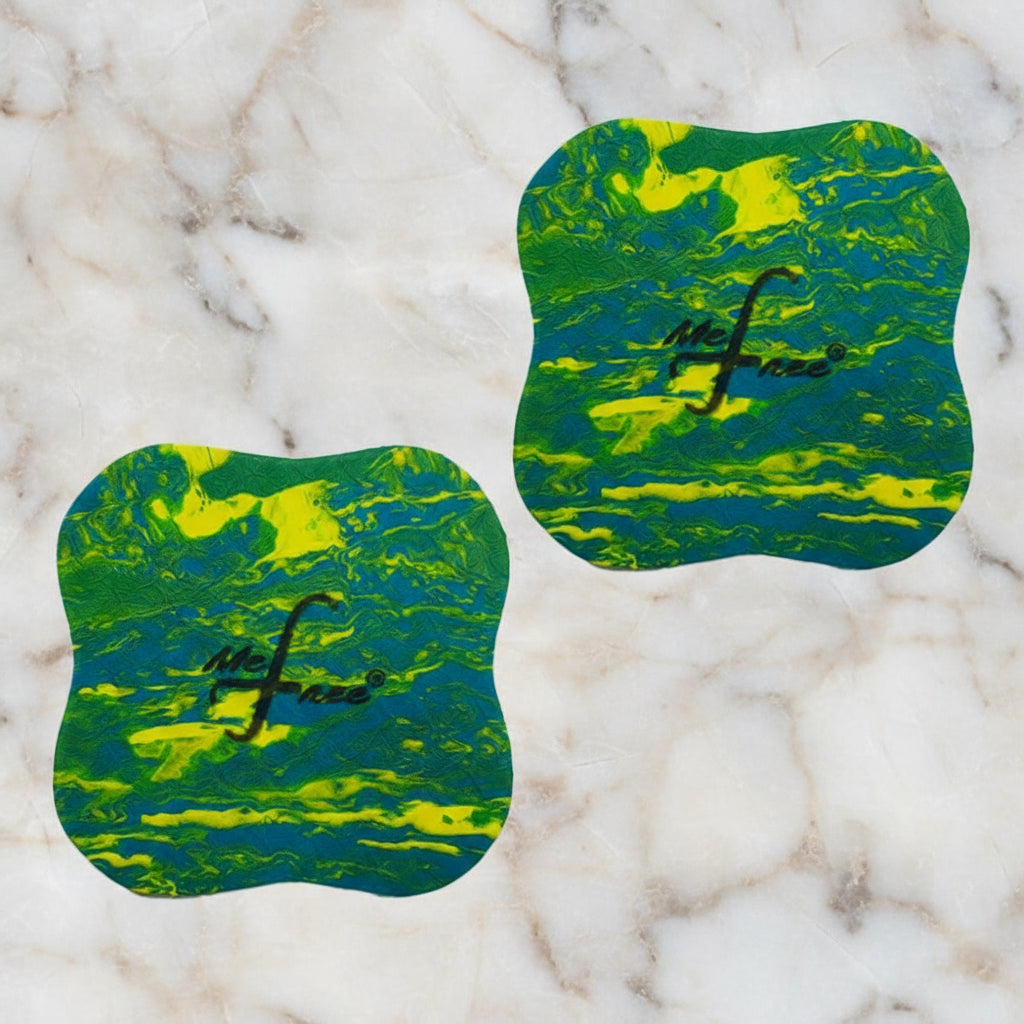
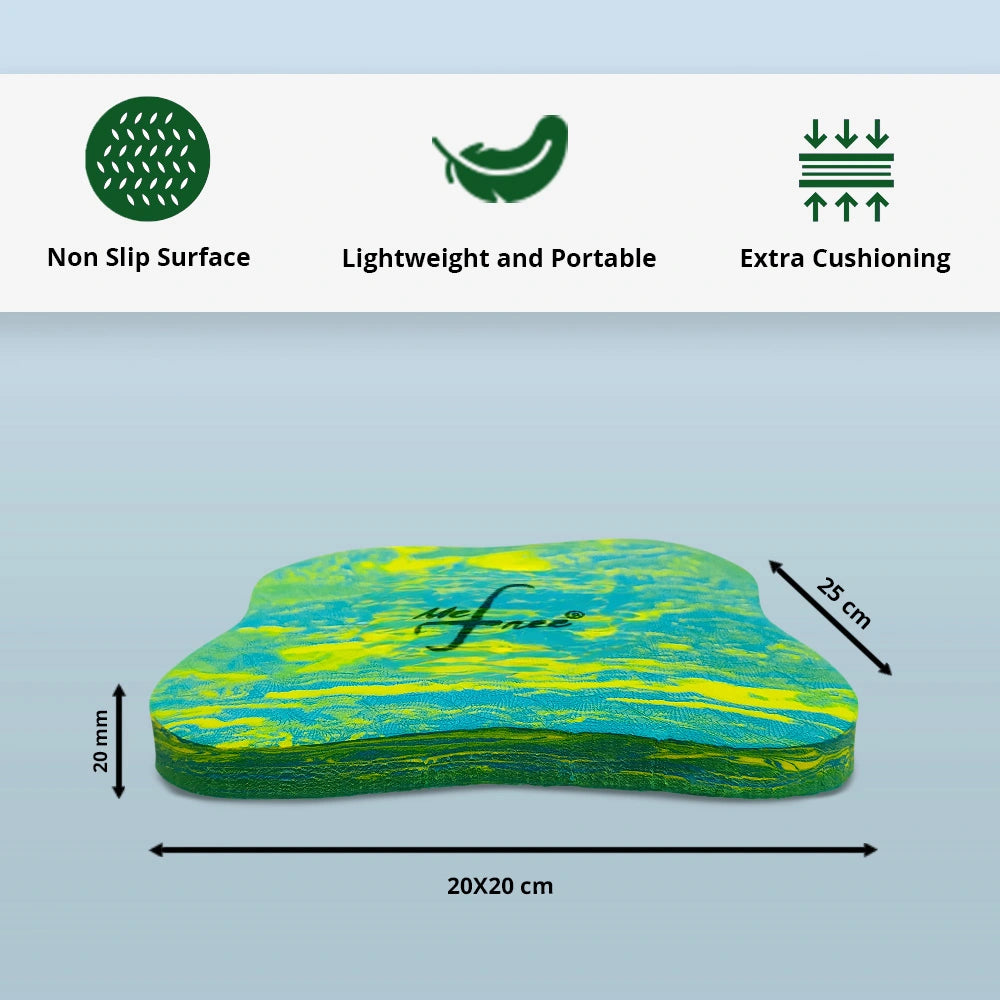
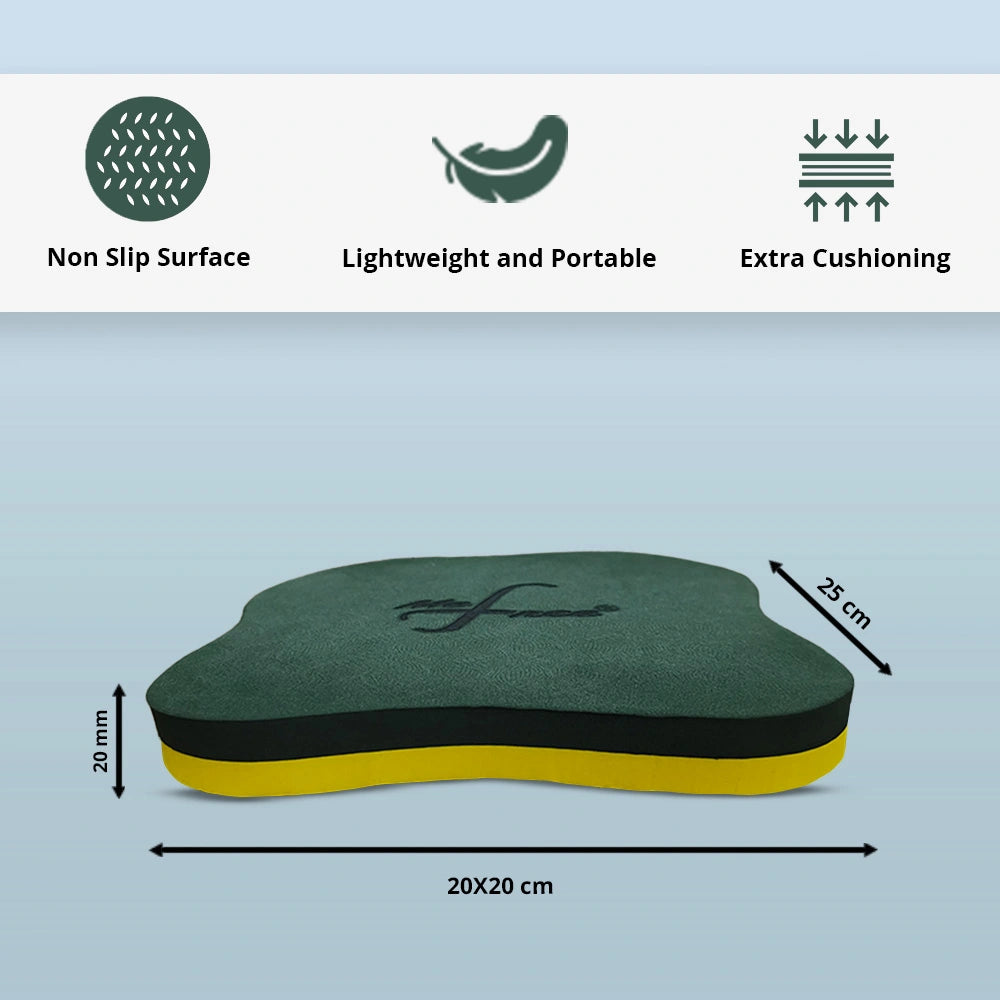
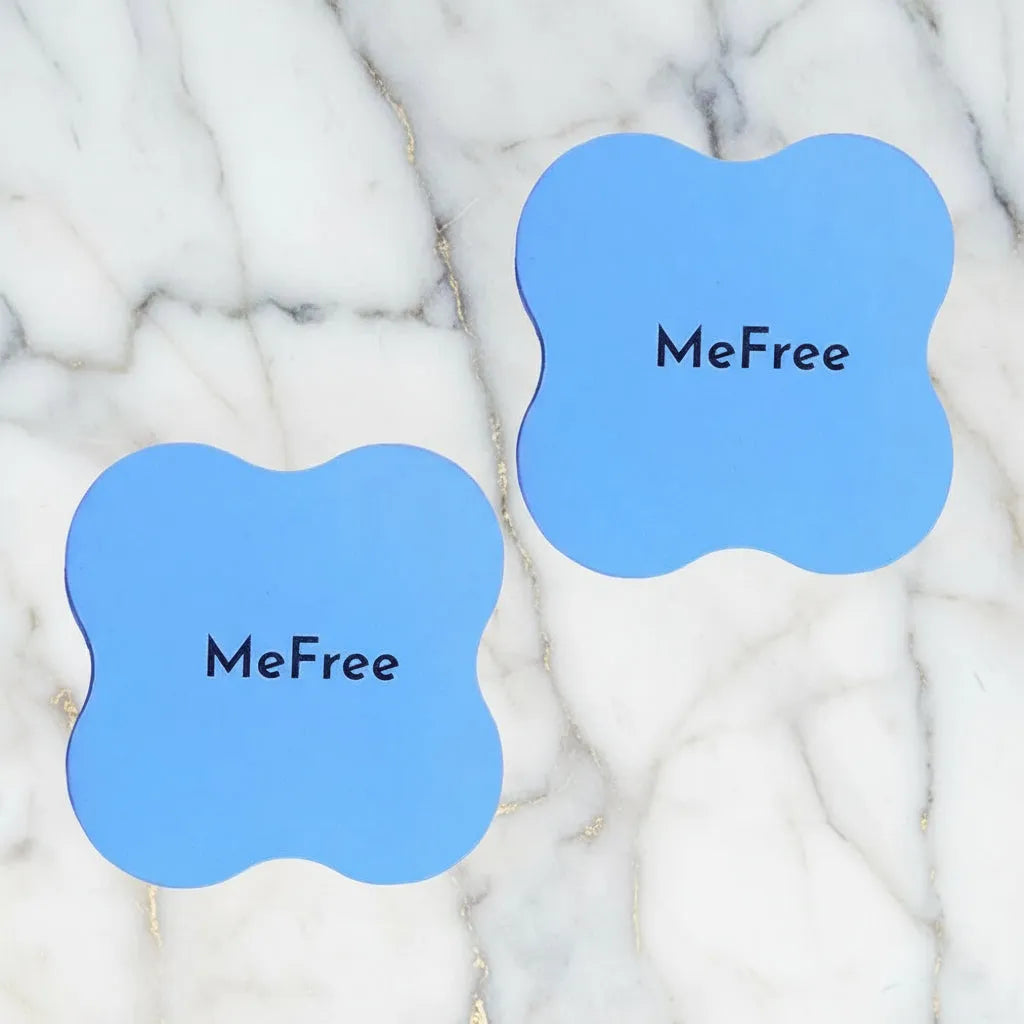
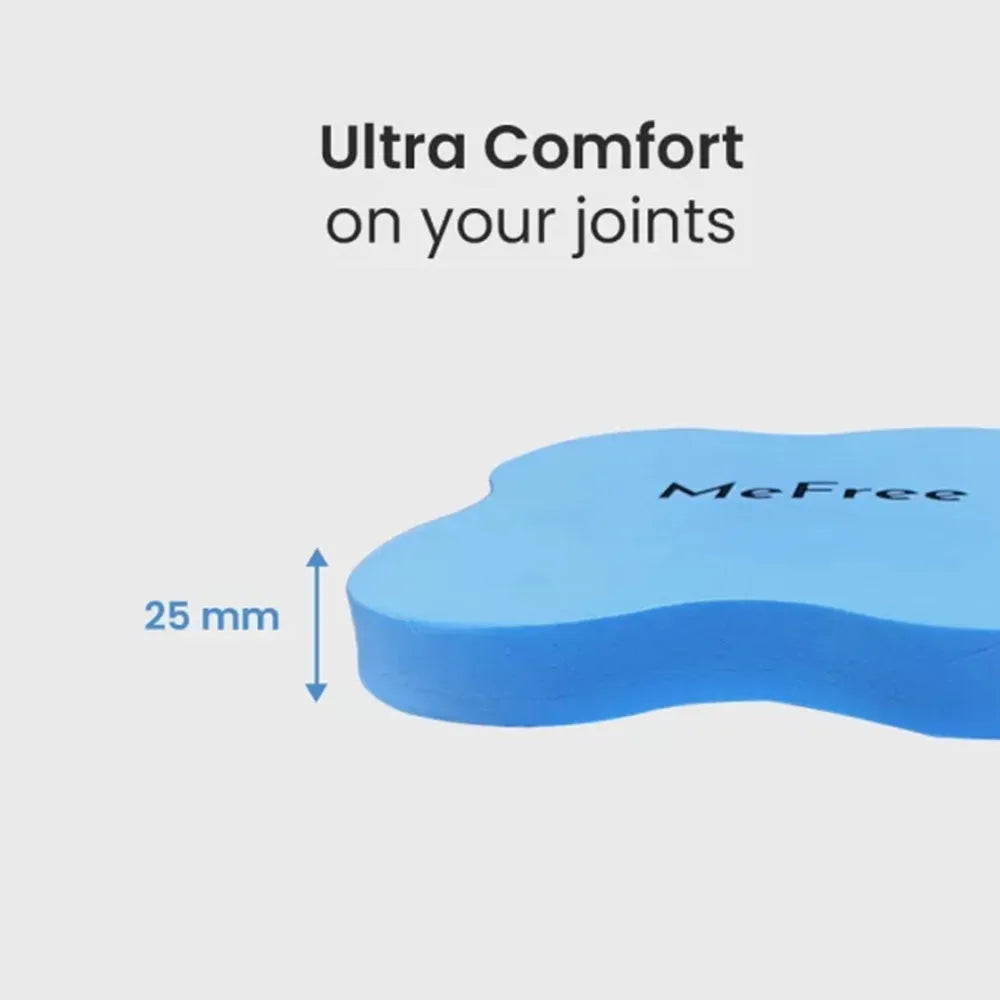
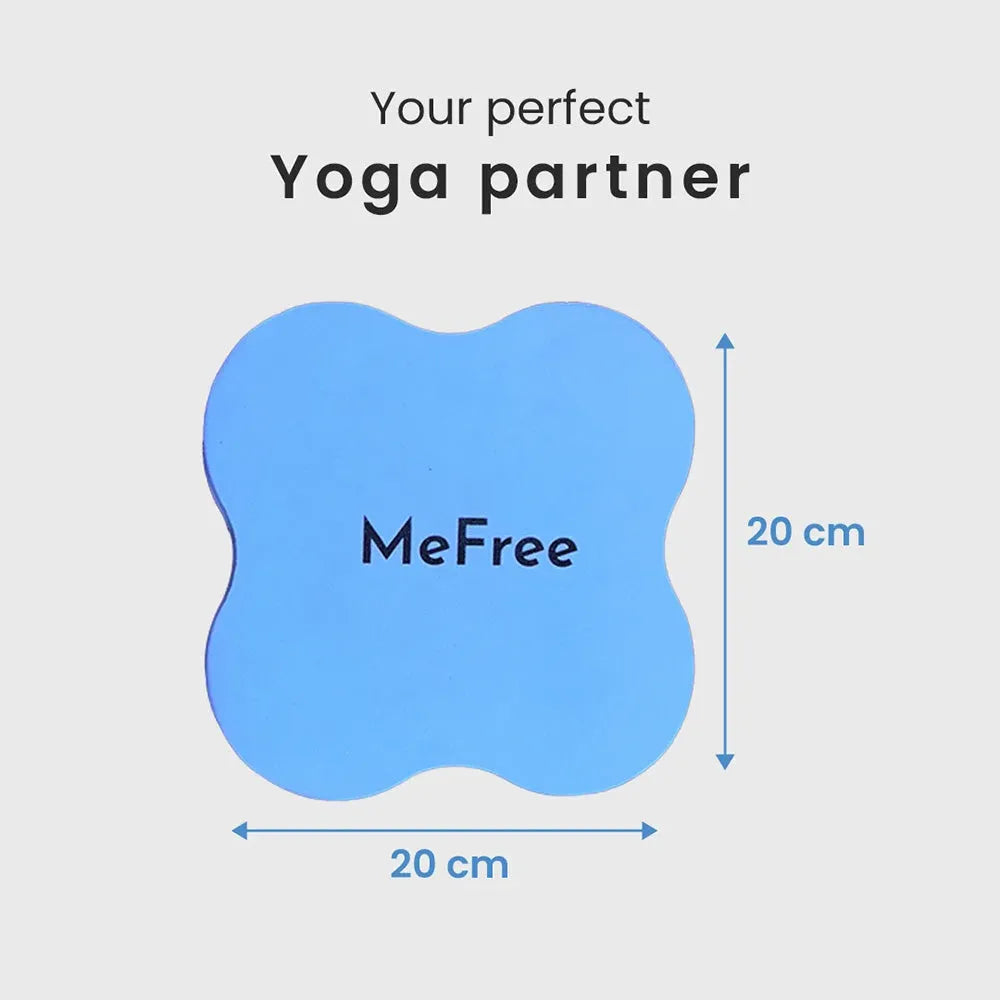
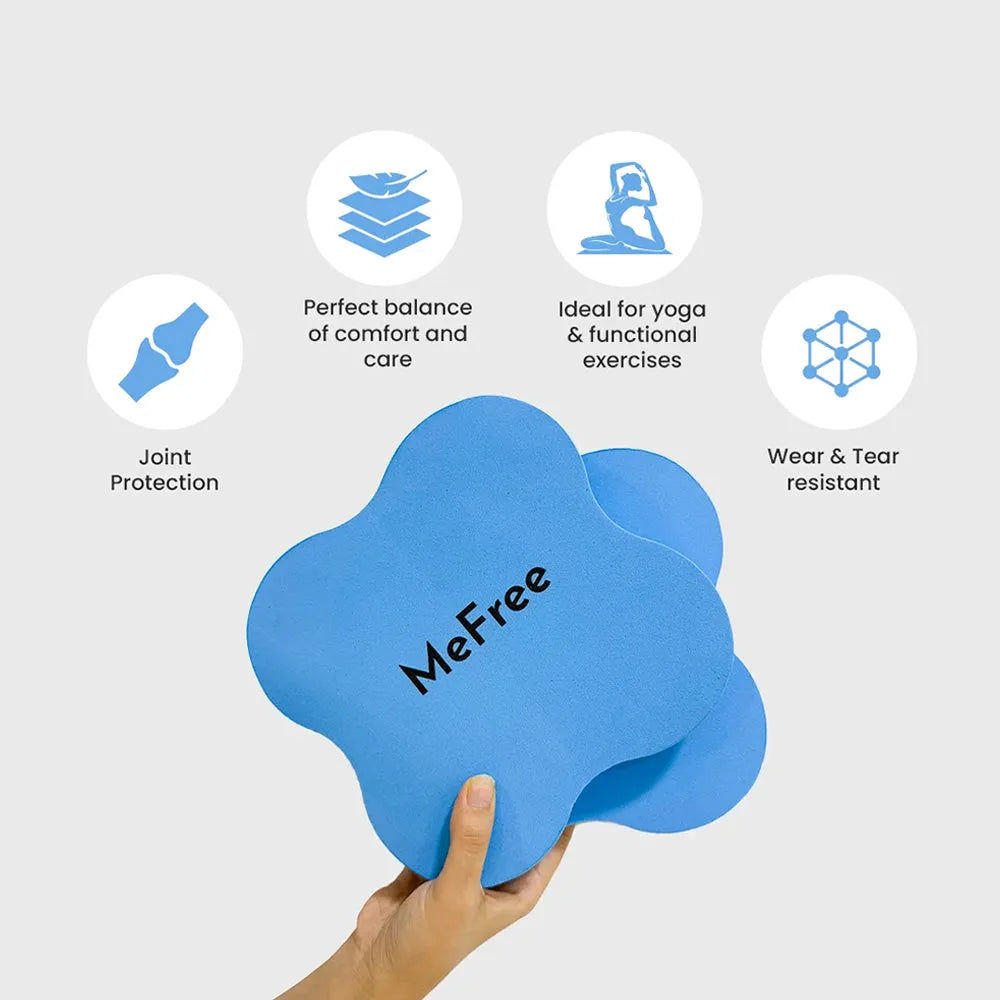
- Cushioned knee pads: Made from TPE foam, these provide a padded surface for kneeling and floor exercises.
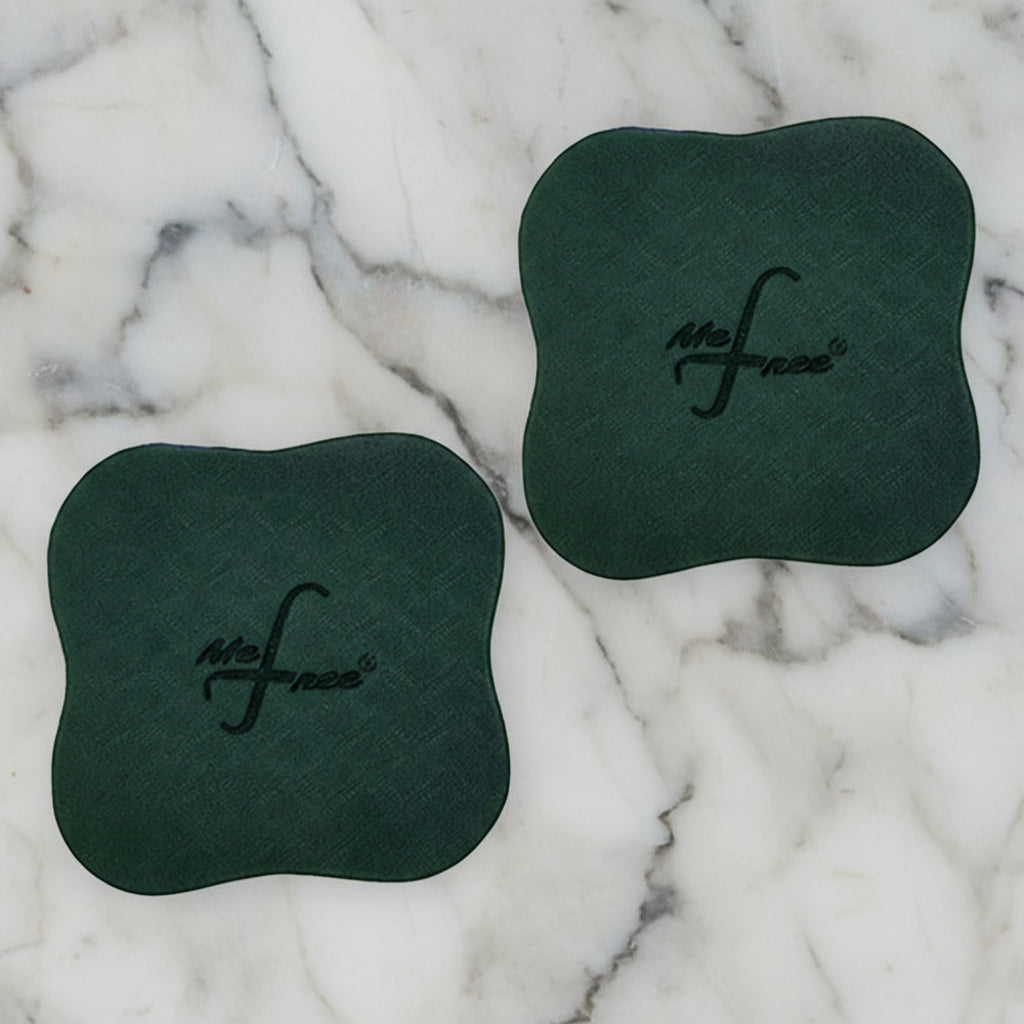
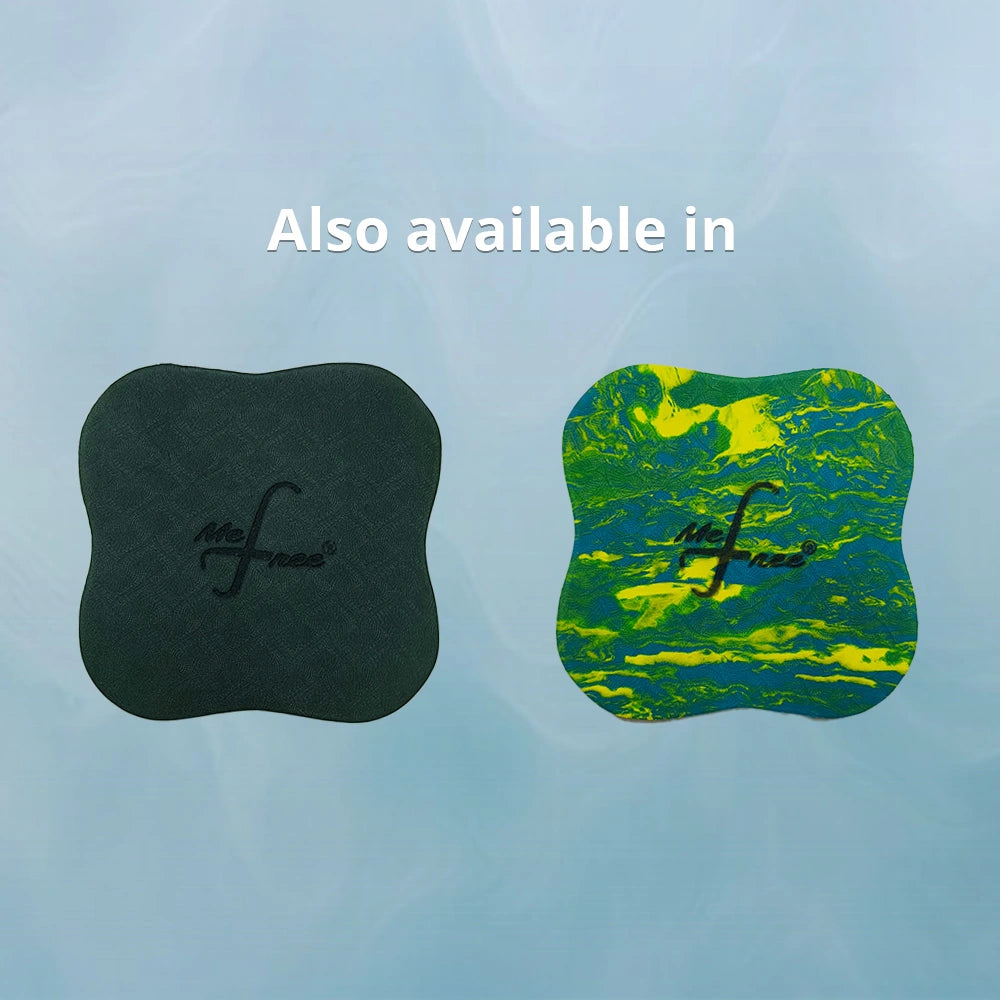
- Textured knee pads: Available in a different colour from the standard version, with the same material and cushioning.
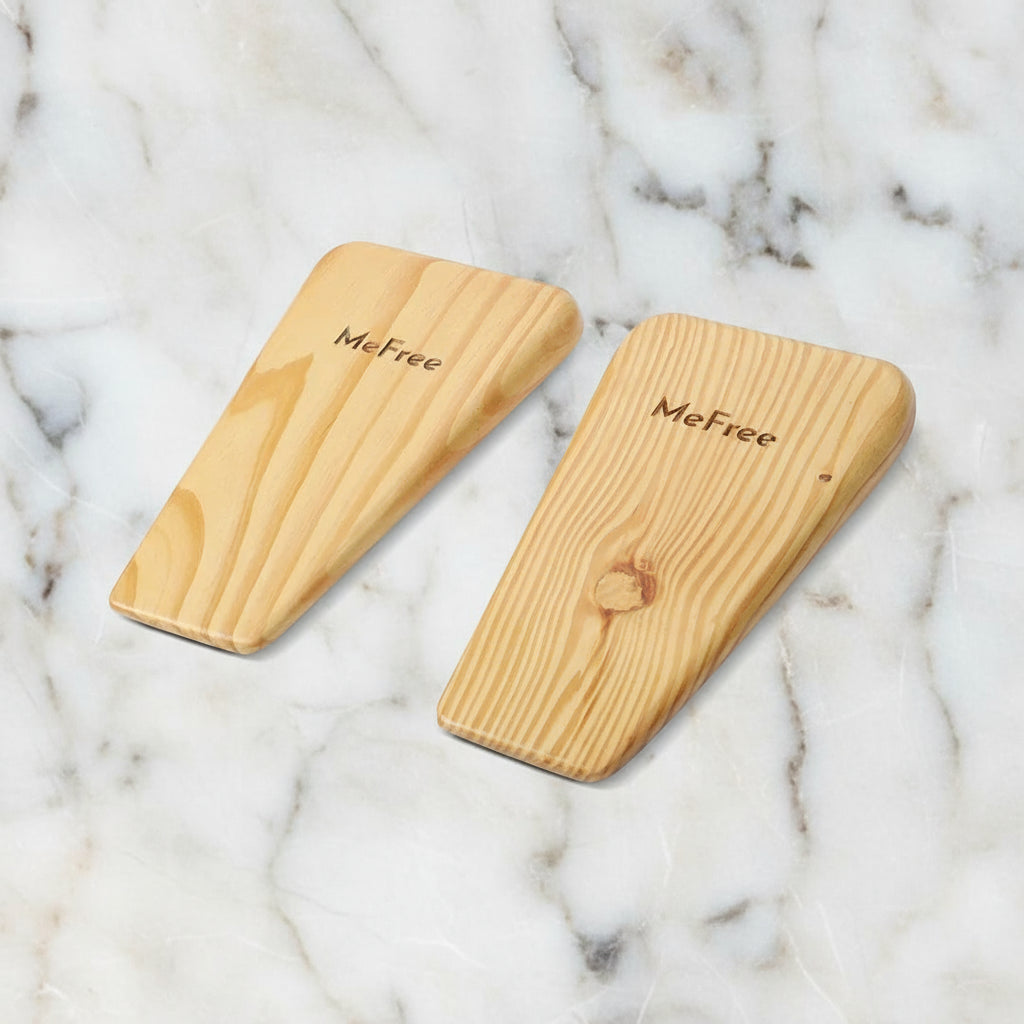
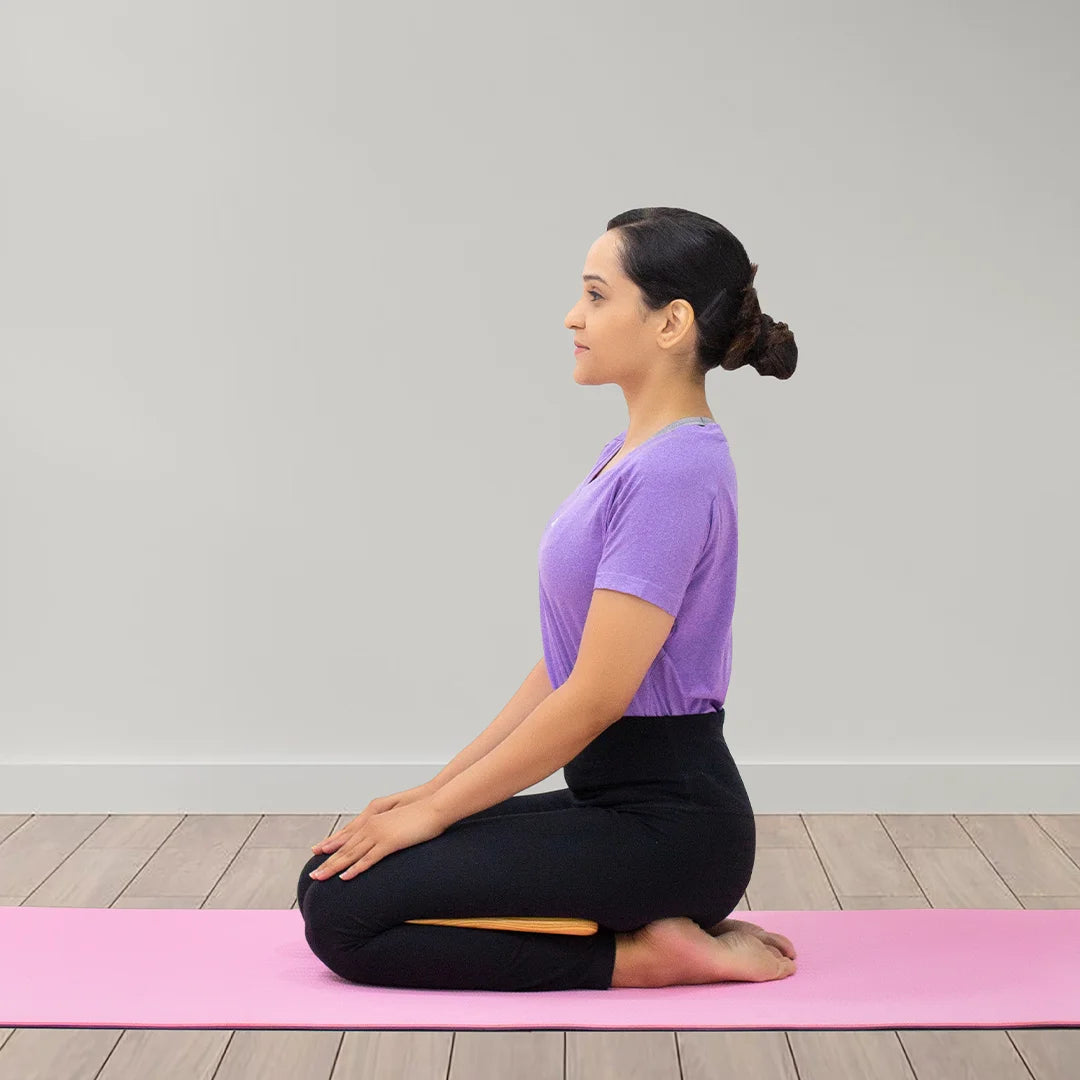
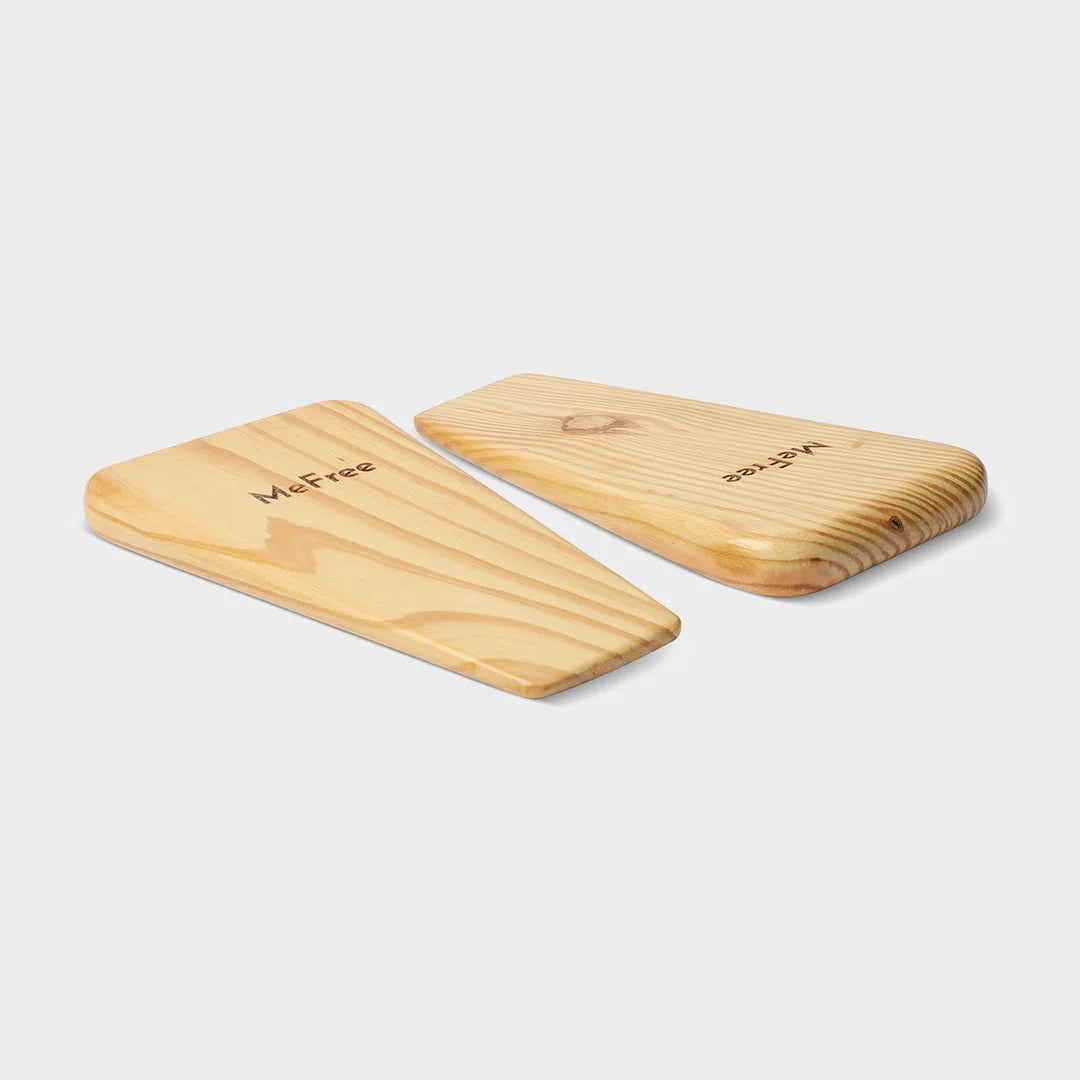
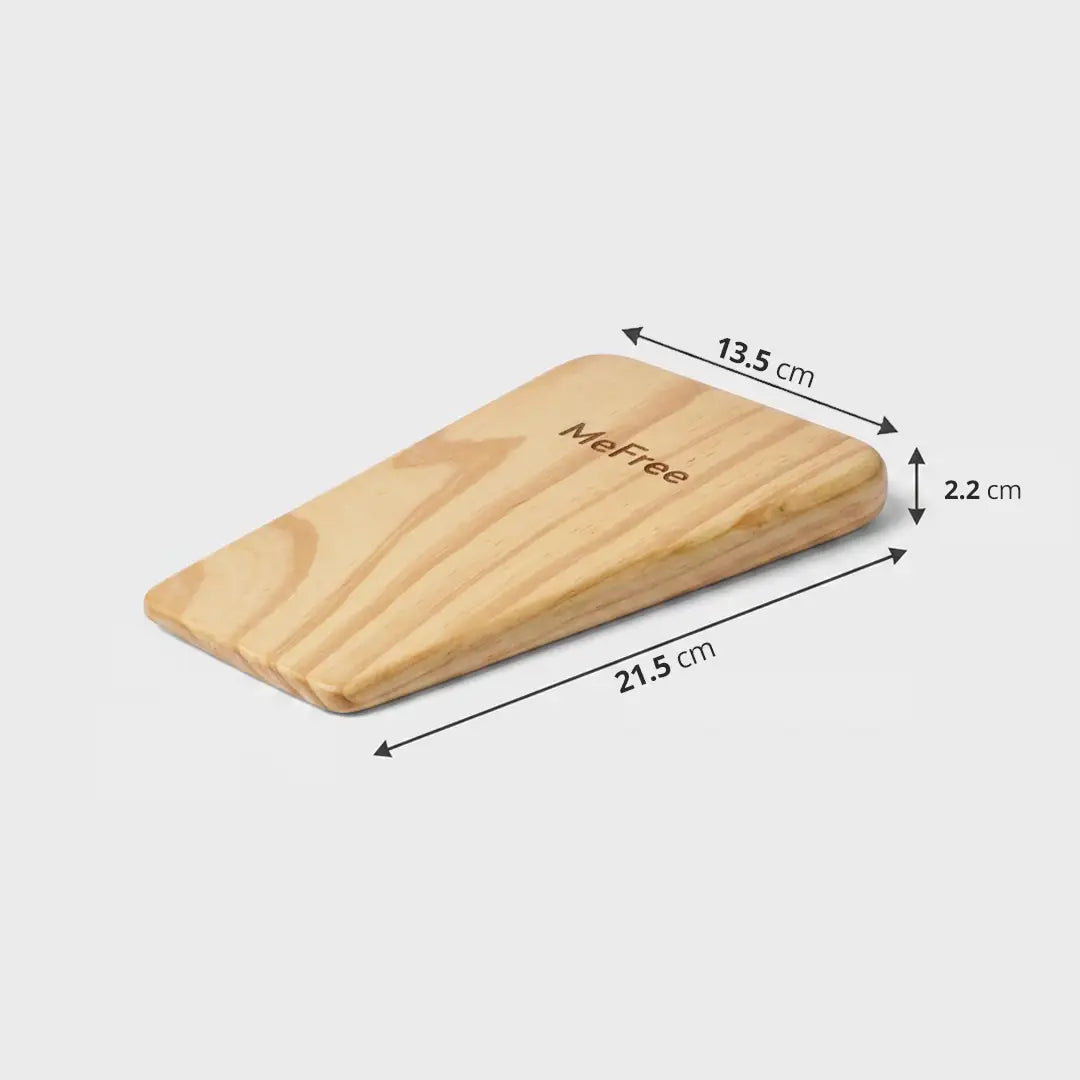
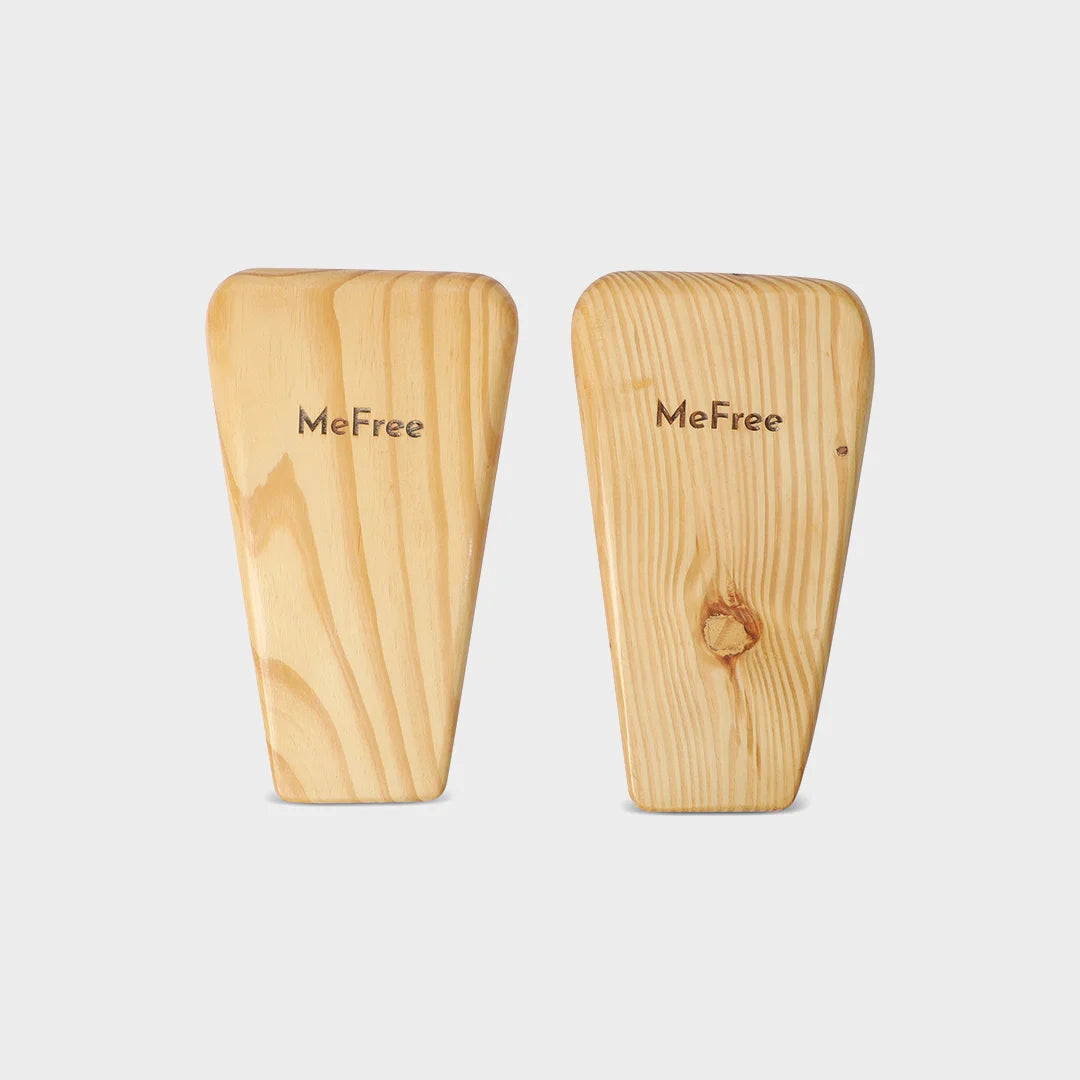
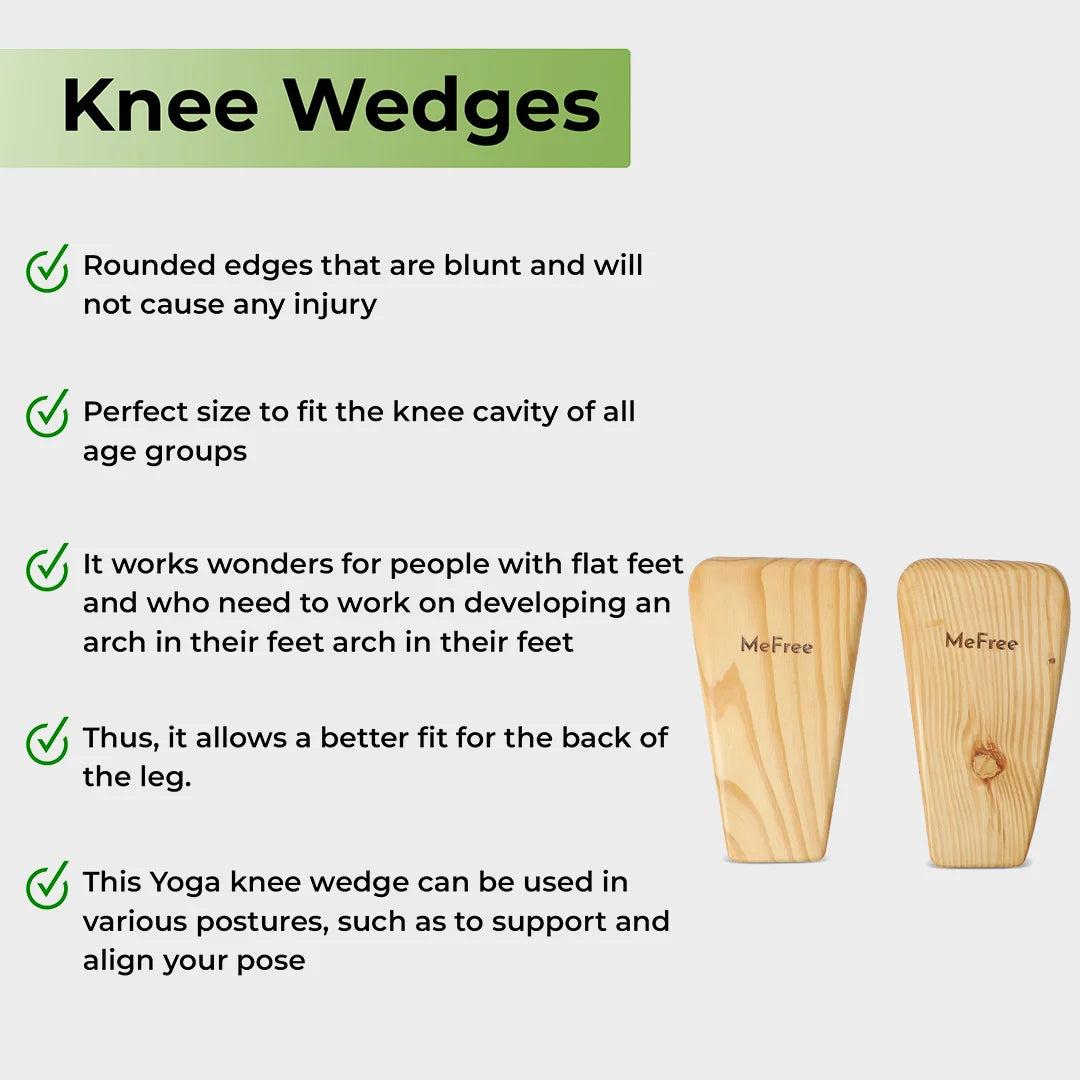
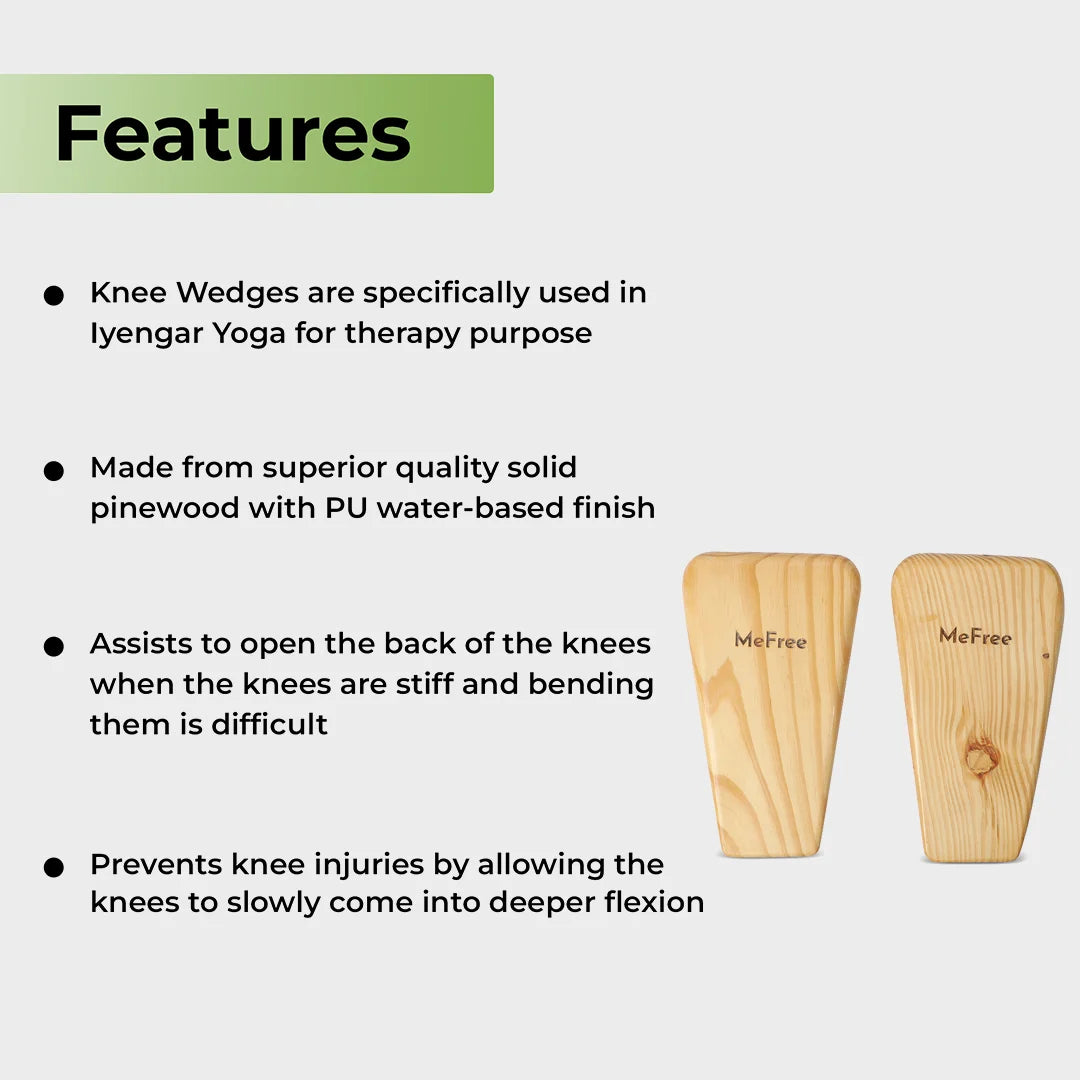
- Wooden knee wedges: Made from pinewood, these are designed to help with positioning in poses such as Vajrasana and Virasana.
- Easy to fit into your routine: You can use knee pads alongside your regular yoga mat without changing much about your practice.
The choice really comes down to what you need. If your knees need more cushioning, a pad may be enough. If you're looking for support with particular poses, wedges may be more suitable.
Benefits of Using Yoga Knee Props
You don't always need to change a pose to make your practice more comfortable. Sometimes, adding a prop is all it takes to make a difference.
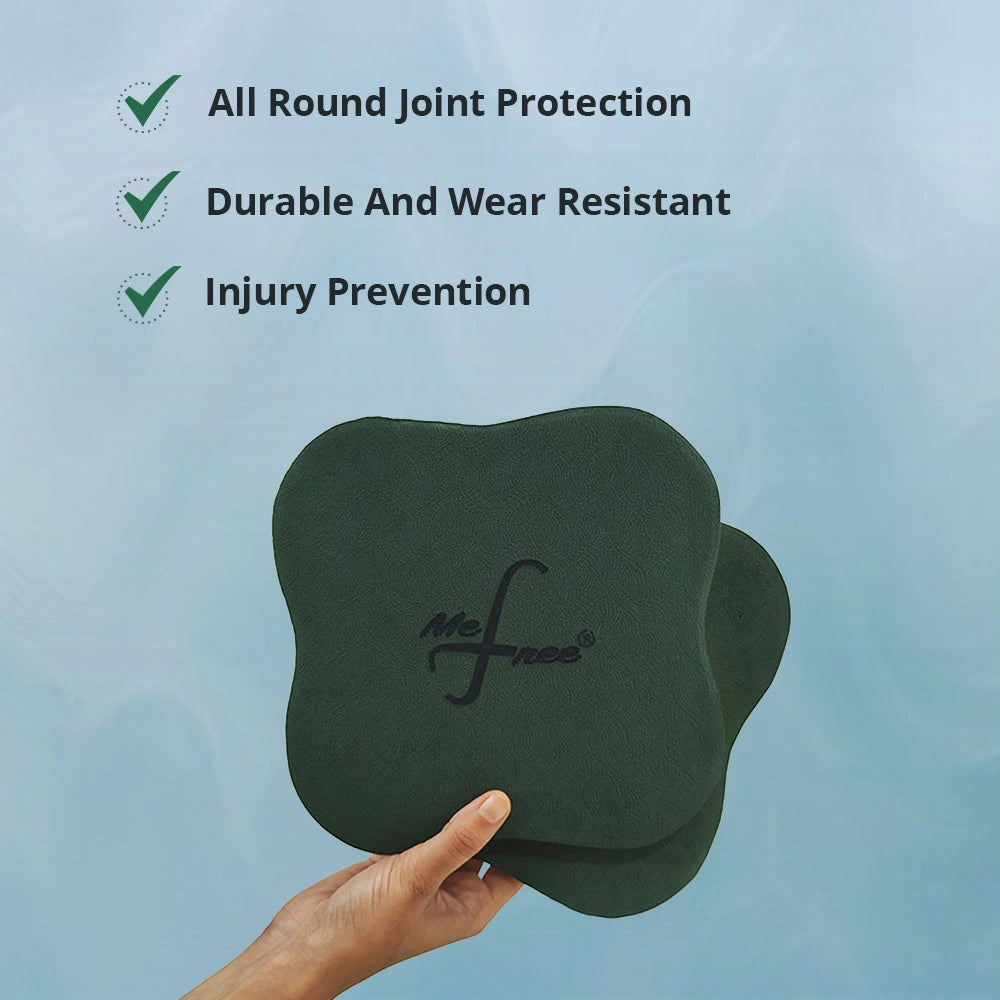
- Extra cushioning where you need it: Yoga mats can feel quite firm, especially on hard floors. Yoga knee props add another layer of padding under your knees, which can help during poses that involve kneeling or keeping your knees on the floor.
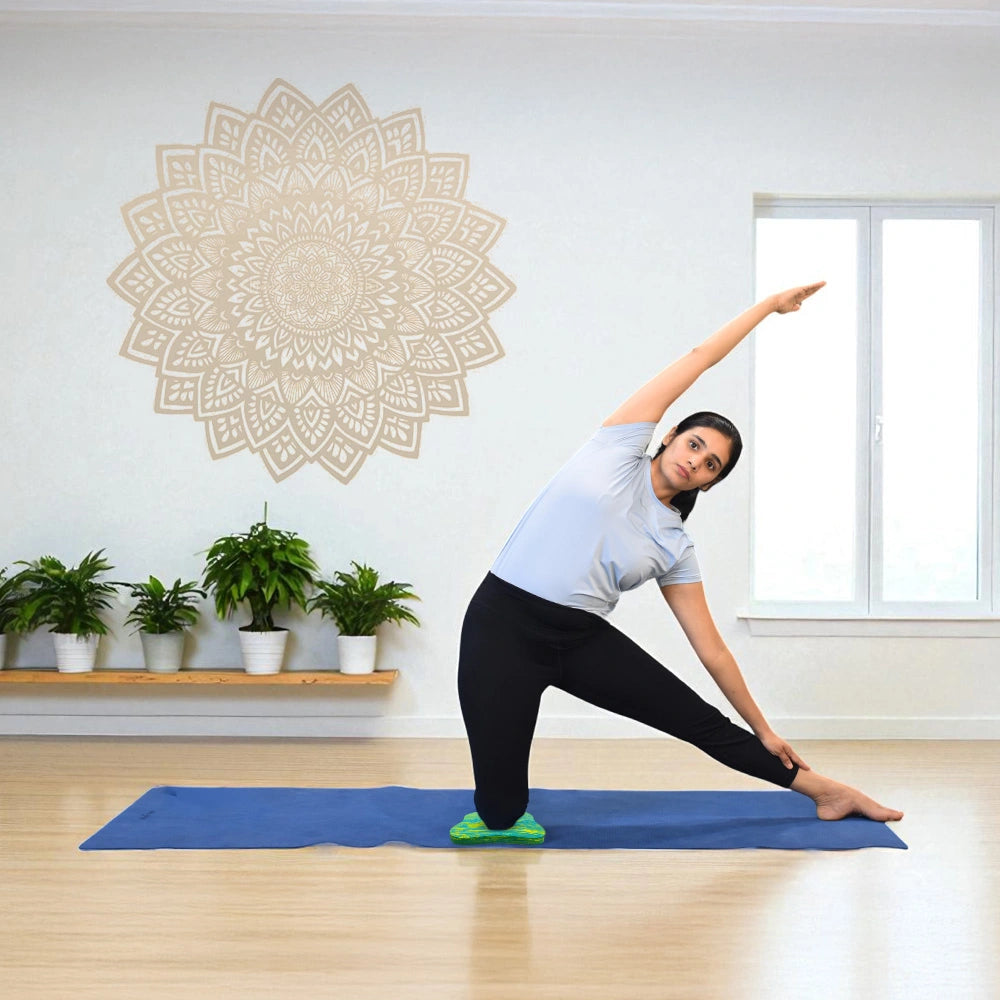
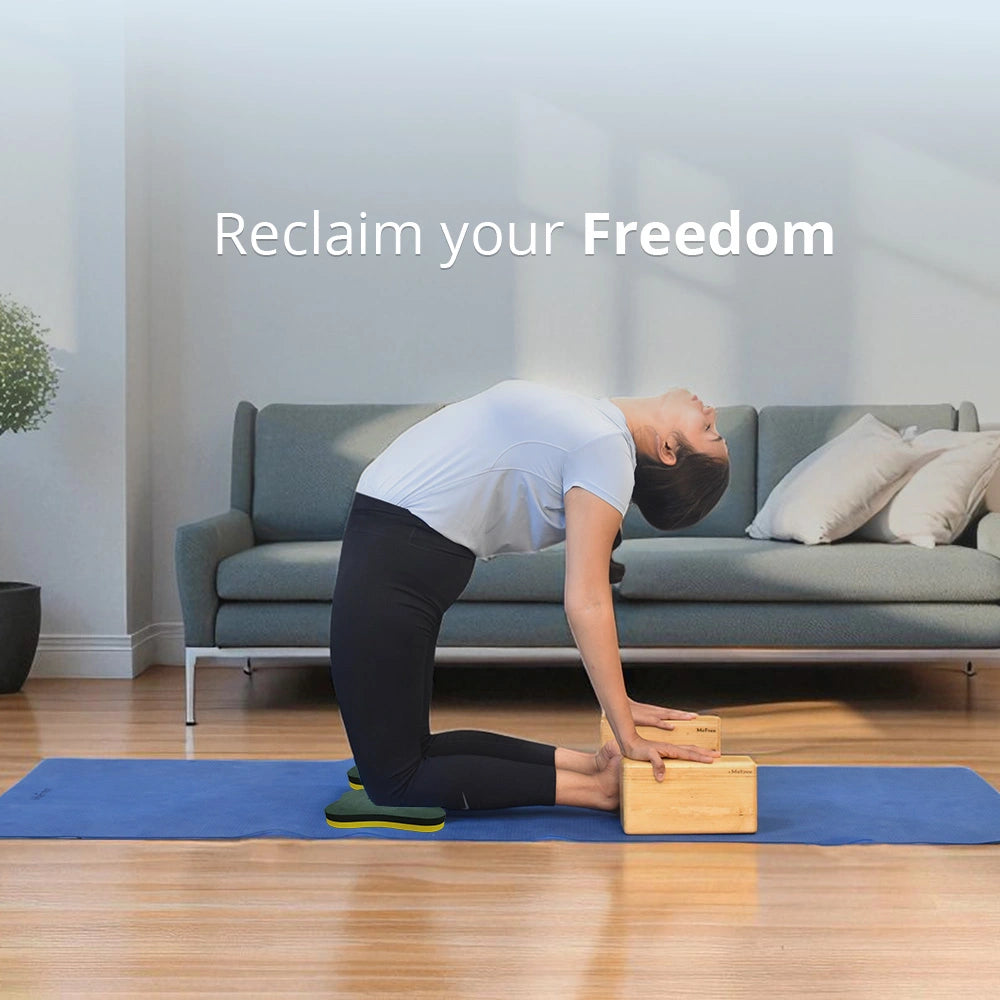
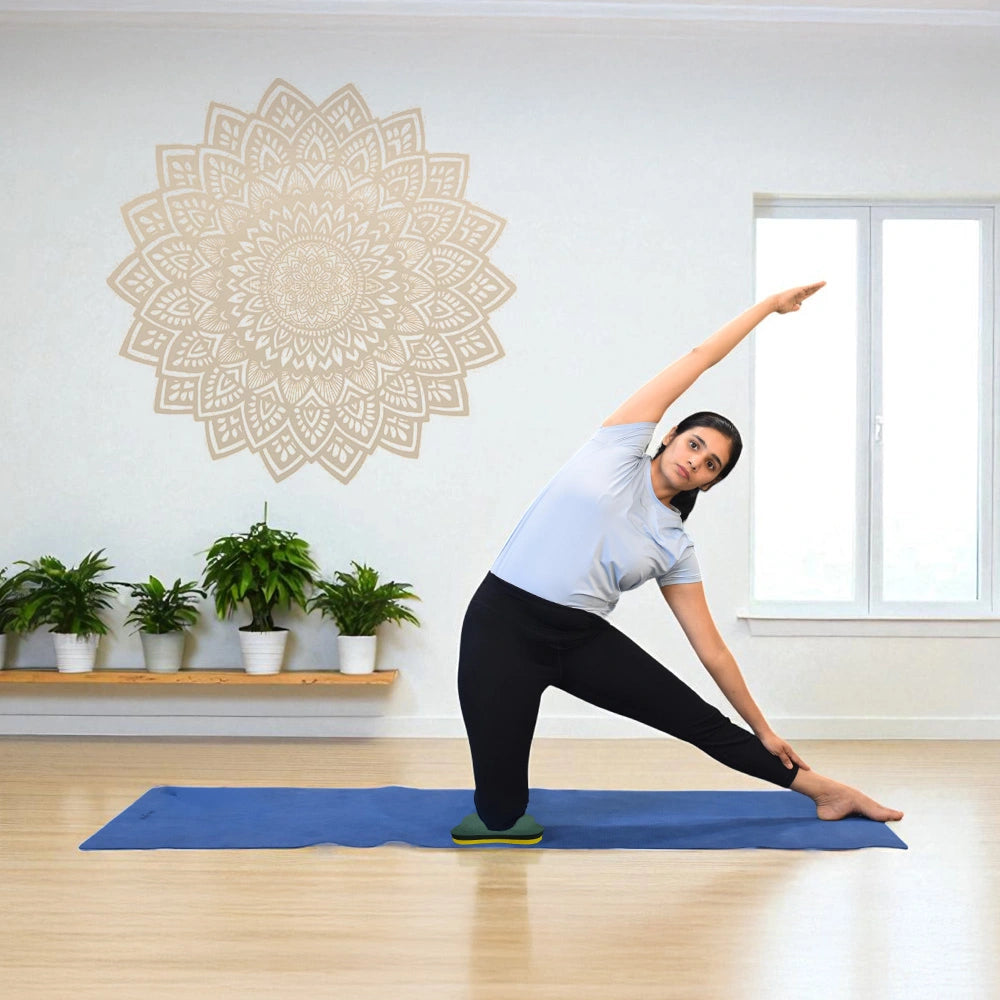
- More comfort in kneeling poses: Poses such as Vajrasana and Balasana can put pressure on the knees when held for longer periods. Using yoga knee pads can add cushioning between your knees and the floor, while wooden knee wedges are designed to support positioning in specific poses such as Vajrasana and Virasana.
- Useful beyond your yoga session: Yoga knee props for floor exercises can also provide cushioning and support during Pilates, stretching, and other floor-based workouts.
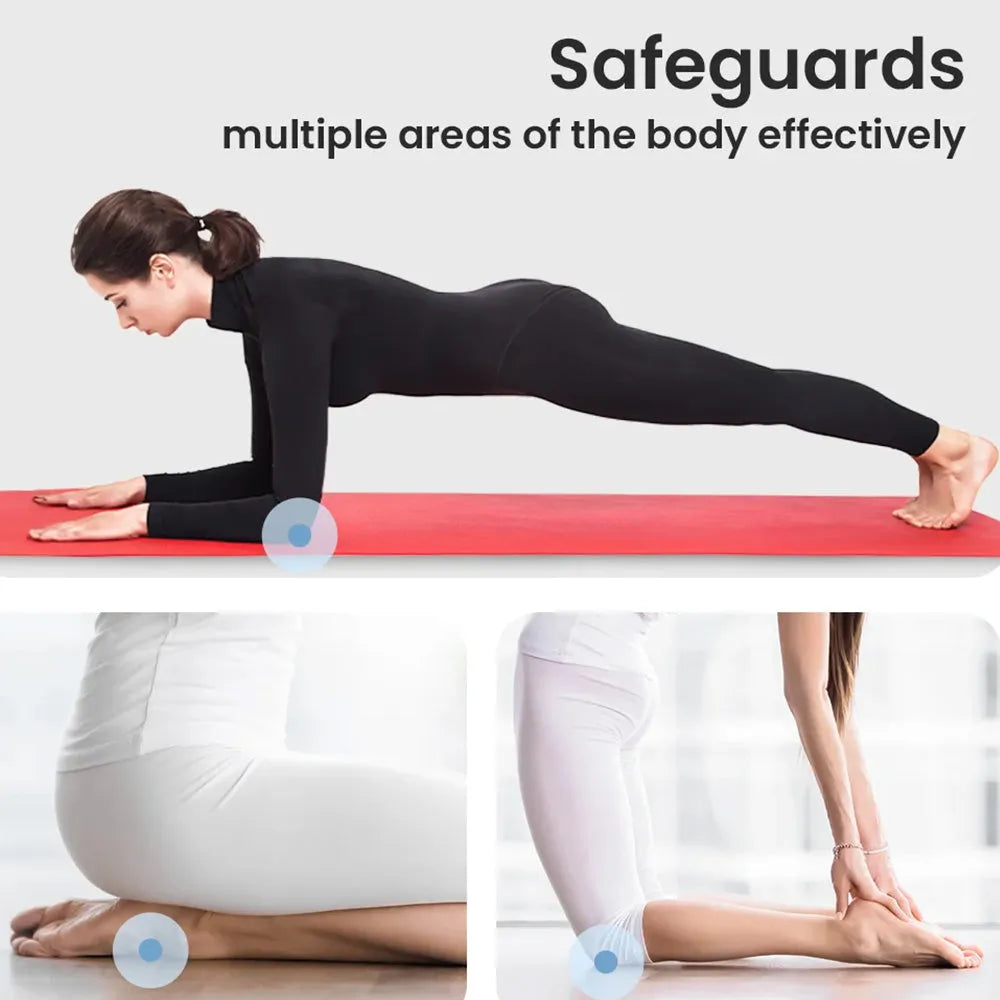
- Support for different parts of the body: Although they're called knee pads, these cushioned pads can also be placed under your wrists, palms, or elbows during suitable floor exercises. This makes them useful for a variety of activities.
- A more comfortable practice: When your knees aren't distracted by the pressure of a hard surface, you may find it easier to focus on the pose itself. Yoga knee protection can improve comfort, but it doesn't prevent every injury or replace proper technique.
Explore Our Yoga Knee Props Collection
MeFree offers two options to consider: Yoga Knee Pads and Knee Wedges. Both can be useful, but they aren't interchangeable.
Yoga Knee Pads
If you want something soft between your knees and the floor, MeFree's Yoga Knee Pads are worth considering. They're made from TPE foam and are available in standard and textured versions, with the difference being the colour rather than the surface texture.
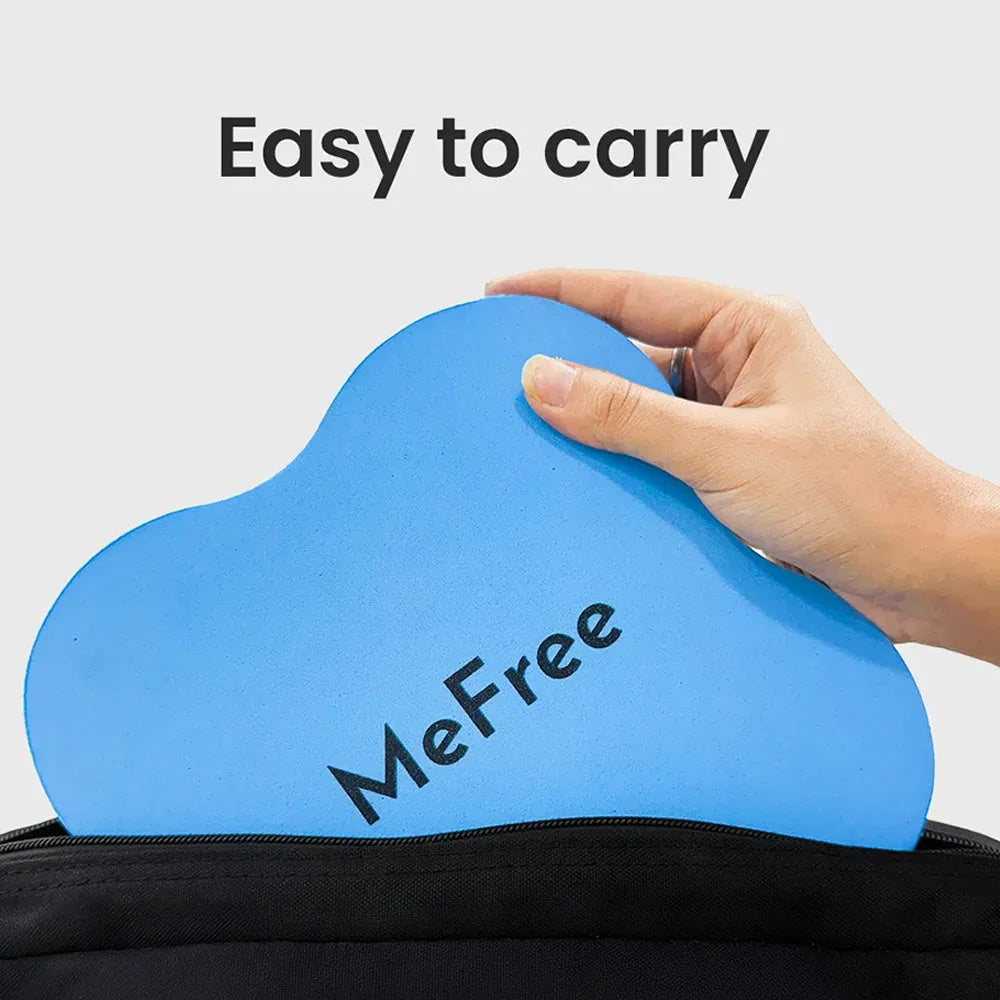
Use them during kneeling poses, stretching, or other floor exercises whenever you feel you need more cushioning. They're also easy to carry, making them convenient for both home practice and yoga classes.
Knee Wedges
MeFree's wooden Knee Wedges are designed for a different purpose. Made from pinewood, they're used to support positioning in poses such as Vajrasana and Virasana. They may be particularly useful for practitioners who use props as part of an Iyengar yoga practice.
If you're deciding between the two, think about what feels uncomfortable during your practice. Do you need softer padding under your knees, or are you looking for support with a particular pose? That simple question can help you narrow down your choice.
How to Use Yoga Knee Props in Your Practice
You don't need to learn a completely new routine to start using knee props. You can simply add them to poses you already practise when you feel you need extra support.
- Vajrasana (Thunderbolt Pose): If kneeling feels uncomfortable, try placing a cushioned knee pad under your knees. A knee wedge may also be used to support positioning in this pose, where appropriate.
- Balasana (Child's Pose): Place a knee pad under your knees before settling into the pose. Adjust it until you feel comfortable.
- Anjaneyasana (Low Lunge): Use a pad under the back knee to soften the contact with the floor.
- Marjaryasana-Bitilasana (Cat-Cow Pose): Place knee pads under both knees if repeated movement on a firm surface feels uncomfortable.
- Virasana (Hero Pose): A wooden knee wedge may help support positioning in this pose. Learn the correct placement from a qualified yoga teacher rather than experimenting with the position of your knees.
Check that the pad stays in place as you move, especially during transitions between poses. Wooden wedges should be used for their intended purpose, not as a substitute for soft cushioning.
Most importantly, don't force yourself to stay in a pose that hurts. If you have ongoing knee pain or an existing injury, speak with a qualified healthcare professional before using props to modify your practice.
Who Should Use Knee Props During Yoga?
Knee props can be useful for more than just beginners. Anyone who finds certain floor positions uncomfortable may want to try them, provided the prop suits the movement.
- Beginners: If you're still getting comfortable with kneeling poses, a cushioned pad can make practising on the floor easier.
- Regular practitioners: Even if you've been practising yoga for years, you may appreciate extra padding during longer sessions.
- Iyengar yoga practitioners: Wooden knee wedges may be useful when working on specific poses such as Vajrasana and Virasana, with guidance from a qualified yoga teacher.
- Senior citizens: Older adults who find kneeling or sitting on the floor uncomfortable may appreciate the extra cushioning and support, depending on their comfort and mobility.
- People practising on hard floors: If your usual practice space has a firm surface, knee pads can provide extra cushioning.
- People who enjoy Pilates or stretching: The pads can also be used during suitable floor exercises outside yoga.
You don't have to use knee props in every session. Try them where you need support and see whether they make the movement more comfortable. If you have a knee condition, check with a healthcare professional or physiotherapist about which modifications are appropriate for you.
Why MeFree Yoga Knee Props?
The best prop for you depends on how you plan to use it. Before you buy, check the product details and think about what would make your practice more comfortable. There's no need to choose the most complicated option. A quality prop that suits your needs is often the most useful one.
FAQs
1. What are yoga knee props used for?
Yoga knee props provide support during kneeling poses and floor exercises. Knee pads add cushioning between your knees and the floor, while knee wedges help with positioning in certain poses.
2. Can yoga knee props be used on hard floors?
Yes. Cushioned knee pads can be especially useful on hard floors, where a yoga mat may not provide enough padding. Make sure the pad stays in place while you practise.
3. What is the difference between yoga knee pads and yoga knee wedges?
Yoga knee pads are soft props that provide cushioning under the knees or other suitable areas of the body. They're available in different colours, including standard and textured versions, but the surface texture is the same. Yoga knee wedges are shaped wooden props used to support positioning in specific poses, such as Vajrasana and Virasana. Choose knee pads for cushioning and knee wedges for pose-specific positioning support.
4. How do yoga knee props support different yoga poses?
Knee pads can provide cushioning during Balasana, Low Lunge and Cat-Cow. Wooden knee wedges may help support positioning in Vajrasana and Virasana. The right option depends on the pose and the kind of support you need.
5. Which yoga knee props should I choose for kneeling poses?
If you want to make kneeling on the floor more comfortable, start by looking at Yoga Knee Pads. If you're looking for support with specific poses such as Vajrasana or Virasana, consider Knee Wedges. When in doubt, ask a qualified yoga teacher to help you choose and position the prop correctly.